White House Calls to Deport Criminal Illegal Aliens to 'Save America'

Synopsis
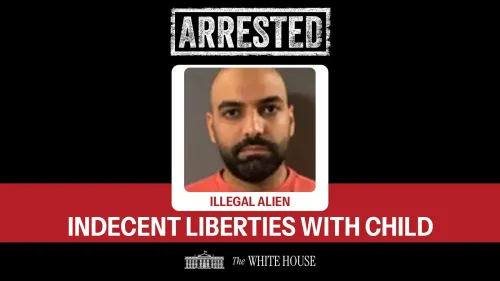
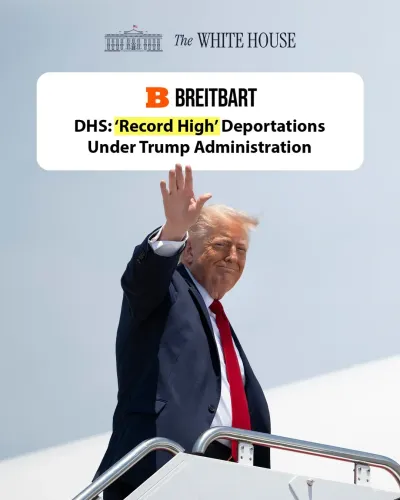
The White House on 31 May 2026 called publicly for the deportation of 'criminal illegal aliens' to 'save America,' reaffirming a long-standing but sharply contested federal enforcement priority backed by 1996 law and executed by ICE under DHS authority.
Key Takeaways
The White House posted a call on 31 May 2026 to 'Deport criminal illegal aliens and SAVE AMERICA!' alongside a video on X.
ICE , under DHS , holds statutory authority to identify, detain, and remove noncitizens with criminal records.
The Illegal Immigration Reform and Immigrant Responsibility Act of 1996 remains the primary legal basis for criminal-alien deportations.
Both Democratic and Republican administrations have prioritised removal of convicted noncitizens, differing mainly on scale and additional enforcement targets.
Future enforcement scope depends heavily on Congressional DHS appropriations , judicial rulings, and cooperation from receiving nations.
The policy carries direct implications for Indian nationals in the US who may have pending legal matters or undocumented status.
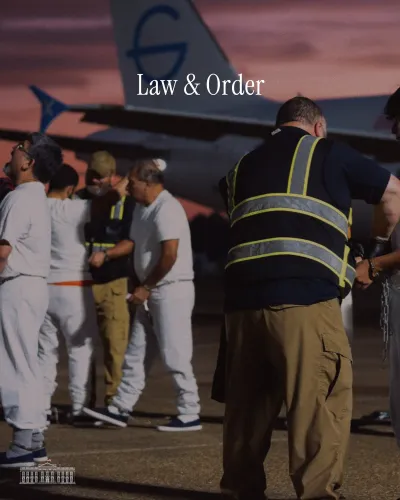
The White House, the official communications account of the Executive Office of the President of the United States, on Sunday, 31 May 2026, issued a forceful public call to deport 'criminal illegal aliens' as a matter of national safety, sharing the message alongside a video on X.
Context
The post, reading 'Deport criminal illegal aliens and SAVE AMERICA!', signals a continued emphasis by the current administration on interior immigration enforcement — specifically the removal of noncitizens with criminal records. The accompanying video, the contents of which could not be independently verified, appears intended to reinforce the message visually.
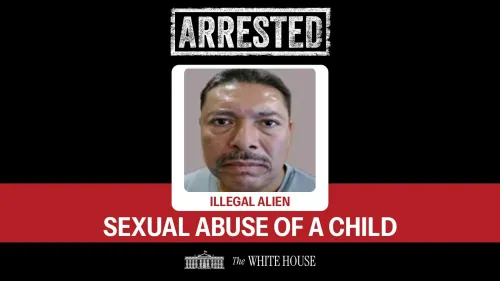
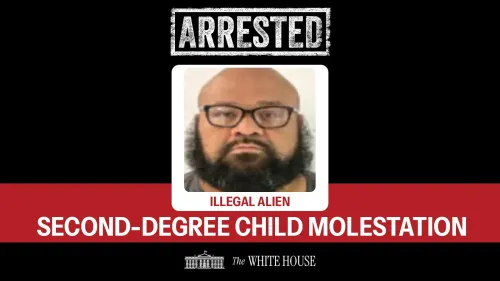
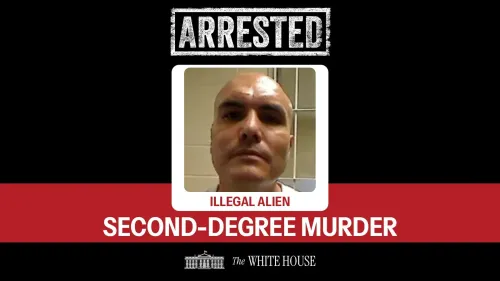
The phrase 'criminal illegal aliens' refers to undocumented or otherwise removable noncitizens who have been convicted of, or charged with, criminal offences in the United States. Immigration and Customs Enforcement (ICE), under the Department of Homeland Security (DHS), is the federal agency statutorily mandated to identify, detain, and remove such individuals.
Policy Backdrop
The legal foundation for deporting noncitizens with criminal records stretches back decades. The Illegal Immigration Reform and Immigrant Responsibility Act of 1996 significantly expanded the categories of crimes that render a noncitizen deportable and curtailed avenues for relief. That law remains the cornerstone of criminal-alien removal authority today.
Successive administrations have acted within this framework while calibrating enforcement priorities differently. The Trump administration's 2017 executive orders directed ICE to treat virtually all undocumented individuals with criminal records as enforcement priorities. The Obama administration's 2011 prosecutorial discretion guidance similarly focused resources on those with serious criminal convictions, while deprioritising others. The Secure Fence Act of 2006 further bolstered interior enforcement infrastructure.
Interior removals of convicted noncitizens have thus been a consistent, bipartisan element of U.S. immigration policy since the 1990s, even as administrations have differed sharply on scale, rhetoric, and the treatment of those without criminal histories.
Stakeholders and Impact
The most directly affected population is noncitizens — including lawful permanent residents, visa holders, and undocumented individuals — who carry criminal convictions or pending charges. ICE enforcement personnel and DHS are the operational arms through which any intensified removal drive would be executed.
Immigrant advocacy organisations have historically argued that broad criminal-deportation drives can ensnare individuals with minor, dated, or non-violent offences, separating long-settled families. Law-enforcement agencies in some jurisdictions have raised concerns about the chilling effect on crime reporting within immigrant communities. Supporters of aggressive enforcement counter that removing convicted noncitizens is both a legal obligation and a public-safety imperative.
For India, which has one of the largest diaspora populations in the United States, any large-scale enforcement operation carries implications for Indian nationals on various visa categories who may have pending legal matters, as well as for undocumented Indians who have built lives in the country.
What's Next
Congressional action on DHS appropriations bills will be critical: detention bed capacity and removal-flight funding directly determine the operational scale of any deportation surge. Lawmakers on both sides of the aisle are expected to debate these line items in upcoming budget cycles.
Legal challenges from immigrant-rights groups and sanctuary jurisdictions could also shape implementation. The administration's ability to sustain a high removal tempo will ultimately depend on judicial rulings, available detention infrastructure, and bilateral cooperation from receiving countries.
Point of View
Visible across multiple administrations, of using high-profile communications to pressure DHS and ICE toward higher removal numbers ahead of appropriations debates. The real test, as always, will be whether Congressional funding and judicial tolerance align with the administration's stated ambitions.
NationPress
14 Oct 2026
Frequently Asked Questions
What does the White House mean by 'criminal illegal aliens'?
The term refers to noncitizens — undocumented or otherwise removable individuals — who have been convicted of or charged with criminal offences in the United States. Federal law, particularly the Illegal Immigration Reform and Immigrant Responsibility Act of 1996, makes such individuals deportable.
Which agency carries out deportations in the United States?
Immigration and Customs Enforcement (ICE), a federal agency within the Department of Homeland Security (DHS), is responsible for identifying, detaining, and removing noncitizens who violate U.S. immigration law, including those with criminal records.
Is deporting criminal noncitizens a new policy?
No. Successive U.S. administrations — both Democratic and Republican — have maintained the authority and practice of deporting convicted noncitizens since at least the 1990s. The scale and additional priorities have varied, but the core policy has been consistent.
How does this affect Indians living in the United States?
India has one of the largest diaspora populations in the US. Any intensified removal operation could affect Indian nationals on various visa categories with pending legal matters, as well as undocumented Indians. The Indian government typically engages diplomatically when large-scale deportation operations involve its citizens.
What will determine how far this enforcement drive goes?
Congressional decisions on DHS appropriations — which fund detention capacity and removal flights — are the primary constraint. Judicial rulings from federal courts and cooperation from countries that must accept deportees will also shape the actual scale of operations.