CM Sai's Office Marks Jagannath Rath Yatra Across Chhattisgarh
Synopsis
The Chief Minister's Office of Chhattisgarh marked Jagannath Rath Yatra on 16 July 2026, citing centuries of devotion and spotlighting village processions and tribal communities as the living core of the festival across the state.
Key Takeaways
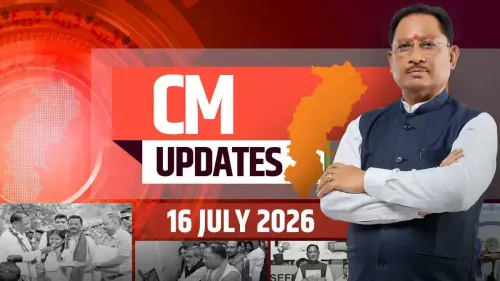
The Chief Minister's Office of Chhattisgarh posted an official message on 16 July 2026 marking Jagannath Rath Yatra .
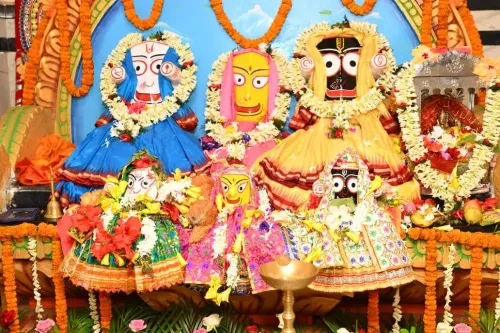
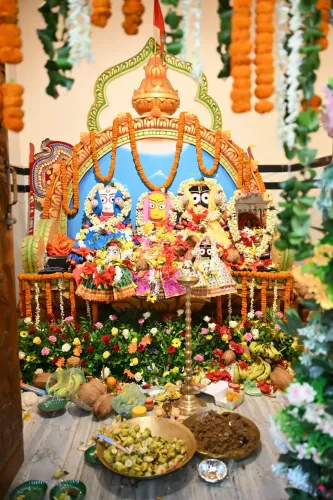
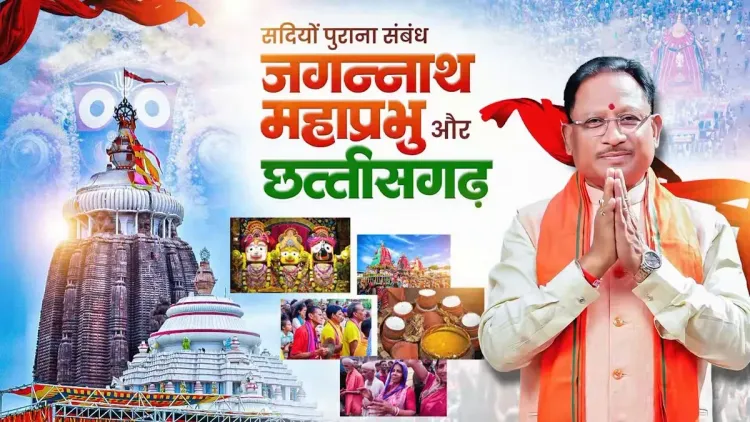
The post described the bond between Chhattisgarh and Mahaprabhu Jagannath as rooted in centuries of devotion, culture, and spiritual heritage.
Village-level Rath Yatra processions across the state were highlighted as evidence of the festival's grassroots reach.
Tribal communities were specifically cited for their 'unwavering faith' and participation in the tradition.
The Chhattisgarh Culture Department was tagged, signalling formal institutional involvement in the occasion.
Chief Minister Vishnu Deo Sai was directly referenced in the post's hashtags, associating his administration with the cultural outreach.
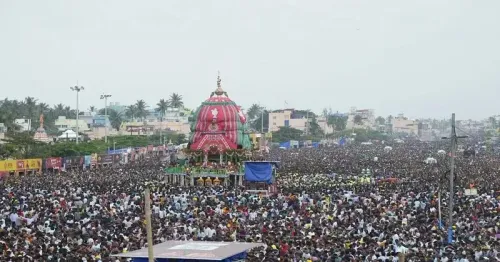
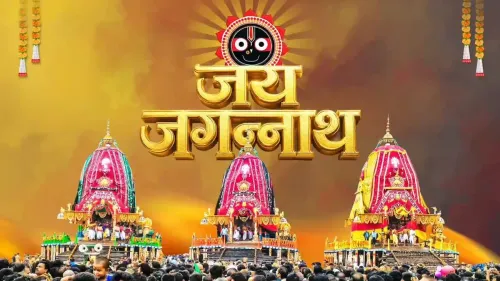
The Chief Minister's Office of Chhattisgarh marked the occasion of Jagannath Rath Yatra on Thursday, 16 July 2026, invoking the state's deep cultural and spiritual ties to Mahaprabhu Jagannath and highlighting village-level processions held across Chhattisgarh.
Context
The post, shared on the official CMO handle and tagging the Chhattisgarh Culture Department, described the bond between Chhattisgarh and Lord Jagannath as rooted in centuries of devotion, culture, and spiritual heritage. In the original Hindi, the message read: 'छत्तीसगढ़ और महाप्रभु जगन्नाथ का संबंध सदियों पुरानी श्रद्धा, संस्कृति और आध्यात्मिक विरासत से जुड़ा हुआ है' — 'The relationship between Chhattisgarh and Mahaprabhu Jagannath is linked to centuries-old devotion, culture, and spiritual heritage.' The message closed with the salutation 'Jai Jagannath' — 'Victory to Jagannath.'Policy Backdrop
Rath Yatra is most prominently associated with the Puri Jagannath Temple in Odisha, but the tradition has long been observed in states across central India, including Chhattisgarh. The CMO's post specifically referenced village-level processions — 'गाँव-गाँव में निकलने वाली रथयात्राएँ' — as a marker of the festival's grassroots reach within the state. The Chhattisgarh Culture Department, tagged in the post, is the nodal state agency responsible for heritage promotion and the documentation of such cultural events. Chief Minister Vishnu Deo Sai has previously associated his administration with the promotion of local religious and tribal cultural expressions.Stakeholders and Impact
The post drew particular attention to tribal communities — 'जनजातीय समाज की अटूट आस्था', meaning 'the unwavering faith of tribal society' — as central participants in the Rath Yatra tradition in Chhattisgarh. Chhattisgarh has a substantial scheduled tribe population, and state governments across India have increasingly used official channels to underscore shared heritage between tribal groups and broader Hindu traditions. The reference to 'जन-जन की सहभागिता' — 'participation of every person' — frames the festival as an inclusive, community-wide observance rather than a sectarian one. Rural villagers across the state are the primary participants in these local processions.What's Next
With the Chhattisgarh Culture Department formally tagged in the CMO's communication, the post signals continued official engagement with village-level Rath Yatra observances. Observers will watch whether the state follows up with formal cultural documentation, heritage listings, or larger state-sponsored festival announcements in subsequent cycles. The framing of tribal faith as integral to the Jagannath tradition may also inform future cultural policy outreach in a state where demographic and religious identity politics remain closely watched.Point of View
Where scheduled tribe voters form a decisive electoral bloc. By tagging the Culture Department and naming tribal communities as co-owners of the Jagannath tradition, the Vishnu Deo Sai administration is weaving cultural governance into a broader narrative of inclusive Hindu heritage. This pattern mirrors similar exercises by state governments across central and eastern India, where the boundaries between cultural promotion and political consolidation are deliberately blurred. The forward reference to 'every person's participation' further broadens the appeal beyond any single community.
NationPress
14 Oct 2026
Frequently Asked Questions
What is Jagannath Rath Yatra and why is it celebrated in Chhattisgarh?
Jagannath Rath Yatra is an annual Hindu festival marking the procession of Lord Jagannath in a ceremonial chariot. While the most famous observance is at the Puri temple in Odisha, the tradition is also celebrated in villages across Chhattisgarh, where it carries deep cultural significance for both tribal and non-tribal communities.
What did the Chhattisgarh CMO post about Rath Yatra 2026?
On 16 July 2026, the Chief Minister's Office of Chhattisgarh posted a message describing the centuries-old devotional and spiritual bond between the state and Mahaprabhu Jagannath, highlighting village processions and the role of tribal communities in keeping the tradition alive.
What is the role of tribal communities in Chhattisgarh's Rath Yatra?
The CMO's post specifically cited the 'unwavering faith of tribal society' as a pillar of the Rath Yatra tradition in Chhattisgarh, framing tribal participation as central to the festival's continued vitality across the state's villages.
Which government department oversees cultural festivals in Chhattisgarh?
The Chhattisgarh Culture Department is the state agency responsible for heritage promotion and cultural events. It was formally tagged in the CMO's Rath Yatra post on 16 July 2026.
Who is the Chief Minister of Chhattisgarh in 2026?
Vishnu Deo Sai is the Chief Minister of Chhattisgarh. His name appeared in the official CMO post's hashtags in connection with the Jagannath Rath Yatra message on 16 July 2026.