Moitra flags missing protest cases from SC cause list
Synopsis
TMC MP Mahua Moitra raised concern on October 14, 2026 about protest-related matters disappearing from the Supreme Court's next-day cause list after being heard on Sunday, urging the Chief Justice of India to intervene citing his own NHRC speech on fundamental rights.
Key Takeaways
Protest matters were heard by two Supreme Court judges on Sunday but did not appear on the following day's cause list.
TMC MP Mahua Moitra publicly urged the Chief Justice of India to ensure the matters are listed.
Moitra anchored her appeal in the CJI's recent speech at the National Human Rights Commission (NHRC) on fundamental rights.
She acknowledged a judge's illness as a possible reason for the gap but said it should not halt proceedings.
The second supplementary cause list is awaited as the immediate test of whether the matters get relisted.
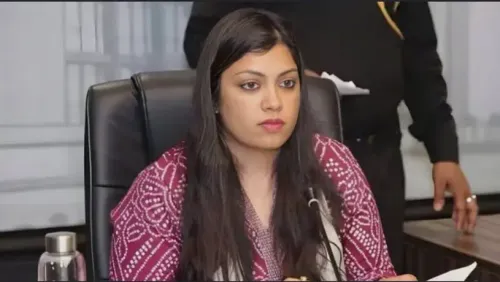
A quiet procedural anomaly at the Supreme Court of India has caught the attention of TMC MP Mahua Moitra, who pointed out on Wednesday, October 14, 2026 that protest-related matters heard on Sunday are conspicuously absent from the next day's cause list — and called on the Chief Justice of India to personally intervene.
What Moitra flagged: Sunday hearings, Monday silence
In her post, Moitra noted that protest matters were taken up by two judges on Sunday — an unusual sitting day — but failed to appear on the following day's cause list. 'Strangely protest matters not on tomorrow's list for now,' she wrote, framing the omission as unexpected given the urgency with which they were heard just a day earlier. She added she was waiting for the second supplementary cause list, which sometimes carries additions made after the primary list is published.
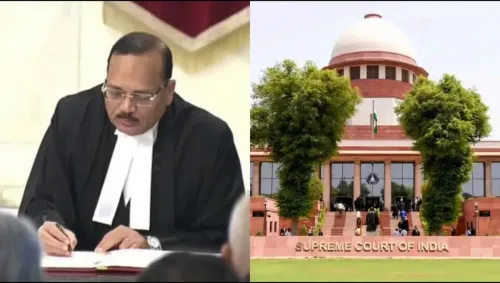
The cause list is the Supreme Court's official daily docket, published in advance and occasionally supplemented. Its contents are controlled through the roster system administered by the CJI — making the Chief Justice the key figure when cases need to be listed or re-listed quickly.
The NHRC speech angle: Moitra's pointed reminder
Crucially, Moitra anchored her appeal in the CJI's own words — specifically a speech delivered at the National Human Rights Commission (NHRC), in which the Chief Justice reportedly addressed themes of fundamental rights and access to justice. Her logic is direct: if the head of the judiciary has publicly championed those values at a statutory human rights body, listing protest-related matters for hearing is the natural next step. 'Am sure Hon'ble CJI will take it up even if sister judge is unwell,' she wrote, acknowledging a possible reason for the listing gap while expressing confidence it would be resolved.
The NHRC, established under the Protection of Human Rights Act, is India's principal statutory watchdog for rights violations. A CJI address there carries symbolic weight, and opposition MPs have frequently cited such judicial statements when pressing for hearings on civil liberties cases.
Opposition MPs and the listing debate
This is not the first time parliamentarians from opposition benches have publicly flagged Supreme Court listing decisions — particularly in cases touching on the right to protest, assembly, or dissent. When matters involving civil liberties appear to stall in scheduling, it draws scrutiny from lawmakers who see judicial access as inseparable from the rights themselves. Moitra's intervention fits a recognisable pattern: name the gap, invoke the court's own standard, and wait for the supplementary list to see if the system self-corrects.
The second supplementary list, once published, will be the clearest signal of whether the CJI acts on the implicit expectation she has set out.
Point of View
Which places enormous discretionary power in the CJI's hands without a transparent mechanism for litigants or the public to challenge omissions. By invoking the CJI's own NHRC speech, she is using the judiciary's stated values as leverage — a tactic that is legally toothless but politically resonant. The episode reflects a broader pattern where opposition lawmakers use public accountability tools (social media, parliamentary pressure) to fill the procedural void that litigants themselves cannot easily address. Whether the supplementary list includes the protest matters will quietly test the gap between judicial rhetoric on rights and administrative follow-through.
NationPress
15 Oct 2026
Frequently Asked Questions
Why did Mahua Moitra comment on the Supreme Court cause list?
Moitra flagged that protest-related matters heard by two judges on Sunday were missing from the next day's official cause list, calling on the Chief Justice of India to ensure they are listed.
What is a supplementary cause list in the Supreme Court?
A supplementary cause list is an additional docket published by the Supreme Court after the primary daily list, often used to add urgent or newly assigned matters that were not included earlier.
What did the CJI say at the NHRC that Moitra referenced?
The specific content of the CJI's NHRC speech has not been independently verified; Moitra referenced it as a speech touching on fundamental rights and access to justice, using it to press for listing the protest matters.
Who controls which cases appear on the Supreme Court cause list?
The Chief Justice of India administers the roster system, giving the CJI authority over the assignment and listing of cases across Supreme Court benches.
What is the National Human Rights Commission (NHRC)?
The NHRC is a statutory body established under the Protection of Human Rights Act to investigate and address human rights violations in India; the CJI's address there holds symbolic significance for rights-related judicial discourse.