Mahua Moitra backs independent journalist, slams 'Godi media'
Synopsis
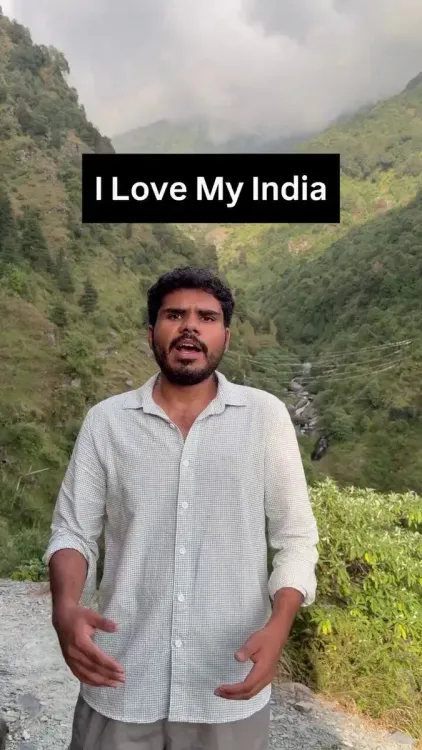
TMC MP Mahua Moitra publicly backed independent journalist @harshdelhise on October 14, 2026, invoking 'Godi media' and 'vote chors' in the same breath to argue that a captured press and electoral malpractice are twin threats to Indian democracy.
Key Takeaways
TMC MP Mahua Moitra praised independent journalist @harshdelhise in a post dated October 14, 2026 .
Moitra stated that 'Godi media has hurt our democracy as much as these vote chors have,' linking press bias to electoral misconduct.
She urged the journalist to 'come back to CP soon,' a reference to Connaught Place, Delhi , associated with open public discourse.
The term 'Godi media' has been used by Indian opposition parties since around 2014 to describe perceived pro-government media bias.
The post continues a pattern of TMC and other opposition leaders amplifying independent journalists as a counter to mainstream coverage.
Media regulation and press independence are expected to remain live issues in upcoming parliamentary sessions.
Targeting what the opposition has long called a captured press, TMC MP Mahua Moitra on Wednesday, October 14, 2026 publicly cheered on an independent journalist, declaring that 'Godi media has hurt our democracy as much as these vote chors have.'
The shoutout and the sting
Moitra's post addressed @harshdelhise directly — 'Well done! Come back to CP soon and keep inspiring independent journalism' — pairing warm encouragement with a sharp political broadside. Connaught Place (CP) in central Delhi has long served as a gathering point for journalists, activists, and public-sphere voices, making the reference a deliberate nod to a certain tradition of open, street-level discourse.
The phrase 'vote chors' — literally 'vote thieves' — is a recurring charge in opposition rhetoric, aimed at allegations of electoral malpractice. By placing 'Godi media' and 'vote chors' in the same sentence, Moitra drew a direct line between perceived media complicity and democratic erosion.
What 'Godi media' means in Indian political shorthand
The term entered mainstream opposition vocabulary around 2014, coined as a pejorative for news outlets seen as carrying water for the ruling establishment — 'godi' meaning 'lap', as in a lapdog press. In the years since, it has become a standard weapon in the rhetorical arsenal of TMC, Congress, and other non-BJP parties, deployed with particular intensity around election cycles and media-related controversies.
Moitra has been among its most consistent users — her floor speeches and social-media posts routinely link questions of press freedom to the health of electoral democracy. The framing is deliberate: if voters cannot access independent information, the argument goes, the ballot itself is compromised.
Why independent journalism keeps surfacing as an opposition flashpoint
The broader pattern here is well established. Whenever mainstream coverage is perceived to tilt toward the government — whether on coverage of protests, economic data, or election results — opposition politicians have increasingly turned to amplifying independent digital journalists as an implicit counter-narrative. Moitra's post fits squarely into that playbook.
With parliamentary sessions ahead and electoral reform debates likely to resurface, statements like this signal that media regulation and press independence will remain live ammunition in the political exchange — not just talking points, but organising themes for the opposition's messaging strategy.
The lap of power is a comfortable place — until the journalists outside it start drawing the bigger crowds.
Point of View
This kind of social-media amplification of independent journalists is likely to intensify, putting pressure on the discourse around media regulation and ownership. The real test is whether such statements translate into concrete legislative proposals on press freedom or remain part of the permanent political soundtrack.
NationPress
15 Oct 2026
Frequently Asked Questions
What does 'Godi media' mean in Indian politics?
'Godi media' is a pejorative used by Indian opposition parties since around 2014 to describe news outlets perceived as biased toward the ruling government — 'godi' means 'lap,' implying a lapdog press.
Who is Mahua Moitra?
Mahua Moitra is a Lok Sabha MP from Krishnanagar, West Bengal , representing the All India Trinamool Congress, known for outspoken criticism of the central government on issues of democracy and institutions.
What did Mahua Moitra say about independent journalism?
Moitra praised journalist @harshdelhise , urged them to 'come back to CP soon,' and declared that 'Godi media has hurt our democracy as much as these vote chors have,' linking media bias to alleged electoral malpractice.
What does 'vote chors' mean?
'Vote chors' literally translates to 'vote thieves' in Hindi and is a charge used in Indian opposition rhetoric to allege electoral fraud or manipulation.
Why do opposition politicians support independent journalists in India?
Opposition politicians have increasingly amplified independent digital journalists as an implicit counter to mainstream coverage they perceive as pro-government, particularly during election cycles and media controversies.