White House Posts 'They Don't Belong Here' in Immigration Push
Synopsis
The White House posted 'They don't belong here' on X on 29 May 2026, linking to what it called 'the truth' in a move consistent with the administration's pattern of using sharp social media messaging to front-run immigration enforcement actions or data releases.
Key Takeaways
The White House posted 'They don't belong here' on X on 29 May 2026 , framing an unnamed group as unlawfully present in the United States .
The post links to content described as 'the truth,' which the administration has not yet formally detailed in publicly verifiable materials.
White House social media posts using exclusionary immigration language have historically preceded executive enforcement actions or agency data releases.
The post carries implications for India , one of the largest source countries of migrants — both documented and undocumented — in the US .
Immigrant-rights advocates have consistently challenged such rhetoric as dehumanising and potentially prejudicial to due-process protections.
Follow-up agency reports or congressional briefings are expected to clarify the specific enforcement context the post references.
The White House, the official communications account of the Executive Office of the President of the United States, posted a blunt two-line message on X on Friday, 30 May 2026 (IST), declaring 'They don't belong here' alongside a link described as 'The truth has dropped' — language consistent with the administration's ongoing immigration enforcement messaging.
Context
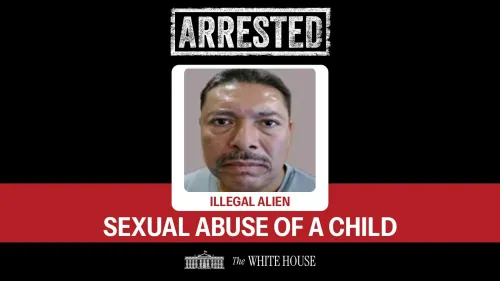
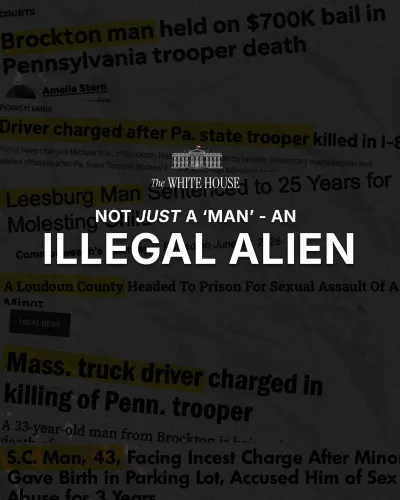
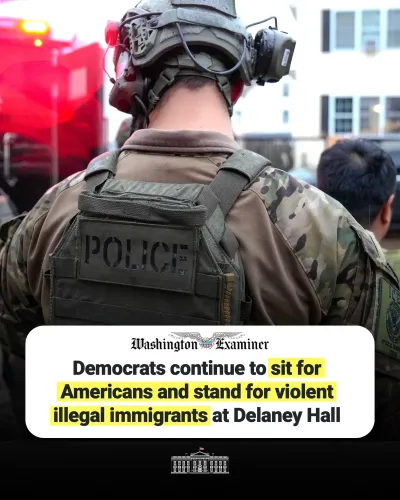
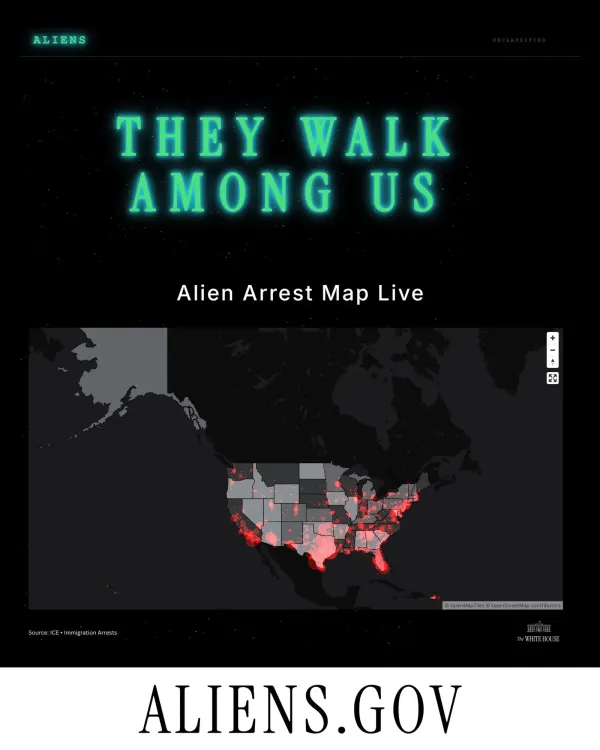
The post, brief and pointed, reads: 'They don't belong here. The truth has dropped.' It includes a linked URL and an attached image, though the specific contents of the linked material could not be independently verified at the time of publication. The phrasing echoes a pattern of White House communications that have historically accompanied executive actions or data releases tied to immigration enforcement.
Such messaging from the White House account typically precedes or coincides with agency-level reports, video footage releases, or policy announcements intended to build public and legislative support for border security measures.
Policy Backdrop
Immigration enforcement has remained a central pillar of the current administration's domestic agenda. White House social media posts using declarative, exclusionary language have previously served as public-facing anchors for broader enforcement campaigns — including deportation drives, visa restrictions, and changes to asylum processing.
The phrase 'they don't belong here' is unambiguous in its framing: it positions a group — implied to be undocumented migrants or individuals the administration deems unlawfully present — as fundamentally outside the bounds of lawful residence in the United States. The administration has used similar rhetoric to justify expanded interior enforcement and cooperation between federal immigration agencies and local law enforcement.
Stakeholders and Impact
The post is directed at a domestic American audience but carries significant implications for migrant communities, immigrant-rights advocates, and governments — including India — whose nationals reside in the United States on various immigration statuses. India is among the largest sources of both documented and undocumented migrants to the US, and any shift in enforcement priorities is closely watched by the Indian diaspora and the Ministry of External Affairs in New Delhi.
Advocacy groups and opposition lawmakers in the US have consistently pushed back against what they describe as dehumanising rhetoric, arguing it inflames public sentiment and complicates due-process protections for migrants awaiting legal proceedings.
What's Next
The linked content — described as 'the truth' — is expected to be the substantive focal point of this communications push. Follow-up agency reports, congressional briefings, or enforcement data releases will likely clarify which population the post targets and what policy action, if any, accompanies it. The broader pattern suggests this post is a precursor to a formal announcement or enforcement milestone rather than a standalone statement.
Point of View
Emotive, and designed to set a public narrative before the linked evidence is widely consumed. The phrase 'they don't belong here' does the political work of framing a legal or policy question as a moral one, which historically makes subsequent enforcement actions easier to defend to a domestic audience. For countries like India, whose nationals form a significant share of both documented and undocumented US residents, the tone of such messaging is a reliable leading indicator of tightening enforcement cycles. The post's brevity is a feature, not a flaw: it invites amplification and crowds out more nuanced debate before the underlying policy details are even public.
NationPress
12 Oct 2026
Frequently Asked Questions
What did the White House post on X on 29 May 2026?
The White House posted 'They don't belong here. The truth has dropped.' alongside a link and an image, in what appears to be an immigration enforcement messaging push.
Who is the White House referring to in the post 'They don't belong here'?
The post does not name a specific group, but the language and historical pattern of similar White House communications strongly suggest it refers to undocumented migrants or individuals the administration considers unlawfully present in the United States.
Does this White House post affect Indians living in the US?
India is one of the largest sources of migrants to the United States, both documented and undocumented. Any escalation in US immigration enforcement rhetoric or policy is closely monitored by the Indian diaspora and the Indian government.
What is the link the White House shared in the post?
The specific contents of the linked material could not be independently verified at the time of publication. The White House described it as 'the truth,' consistent with data or footage releases that have accompanied past enforcement campaigns.
What typically follows this kind of White House immigration post?
Historically, such messaging from the White House has preceded formal policy announcements, agency enforcement data releases, or congressional briefings related to border security and deportation priorities.