Trump demands Gulf allies reimburse US for military protection
Synopsis
Trump has put a price tag on American protection of the Gulf — and sent the bill to Riyadh, Abu Dhabi, and Doha. With the US simultaneously restoring a naval blockade on Iran and claiming to have dismantled its navy and air force in a month, Washington is signalling a fundamental reset of its Middle East posture: security is no longer free for allies who can afford to pay.
Key Takeaways
President Trump on 14 July demanded that Saudi Arabia , UAE , Qatar , Bahrain , and Kuwait reimburse the US for military protection costs.
Trump argued the US is no longer dependent on Middle Eastern oil, removing the traditional rationale for bearing defence costs alone.
The US has restored a naval blockade targeting Iran , which Trump described as potentially more effective than direct military strikes.
Trump claimed US operations had eliminated Iran's navy within one month and rendered its air force 'nonexistent'.
The administration's stated objective remains preventing Iran from acquiring a nuclear weapon.
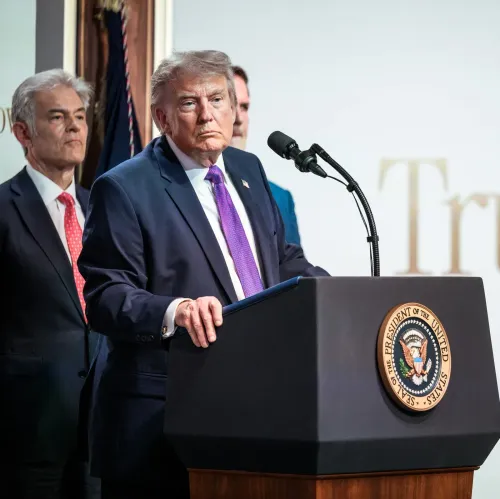
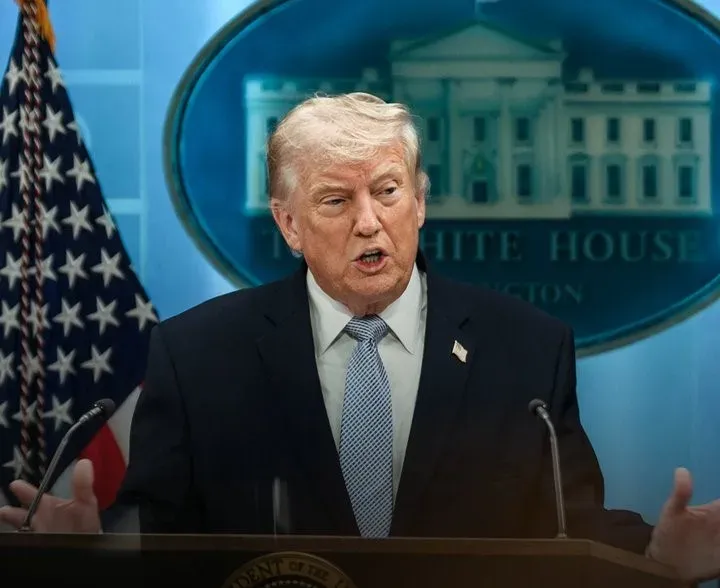
US President Donald Trump on 14 July declared that wealthy Gulf nations must reimburse Washington for the cost of American military protection in the region, arguing that the United States no longer depends on Middle Eastern oil yet continues to bear the financial burden of defending some of the world's richest countries. The remarks, made to reporters at the White House, mark one of Trump's most direct public demands for burden-sharing from Gulf partners.
Trump's Case for Reimbursement
Trump named Saudi Arabia, the United Arab Emirates, Qatar, Bahrain, and Kuwait as nations benefiting from American military operations. 'I want to be reimbursed because we're protecting a very rich portion of the world,' he said. He argued that Washington's energy independence from the region removes any strategic compulsion for the US to absorb these defence costs unilaterally.
'We don't need it, but we need it from the standpoint of protecting allies, etc., etc., including Israel, including Saudi Arabia, including Qatar, including UAE,' Trump added, drawing a distinction between energy dependence and alliance obligations.
Iran Blockade and Military Operations
The remarks came alongside Trump's announcement of renewed military operations against Iran and the restoration of a naval blockade targeting Tehran. 'We're putting the blockade back and it's a blockade, not for anybody but Iran,' he stated, specifying that commercial shipping from other nations would remain unimpeded. 'Anybody doing business with Iran can't go through. Everyone else will be able to go through.'
Trump claimed the blockade had proven more consequential than direct strikes. 'The blockade was probably more effective even than hitting them. But I think the combination is the thing that — that really does it,' he said.
Claims of Degrading Iran's Military
The President also asserted that months of US military operations had severely degraded Iran's armed forces. 'We knocked out their Navy in a period of one month. We knocked out their air force. Their air force is nonexistent,' he claimed. He added that Iran's missile and drone capabilities had also been significantly weakened, though independent verification of these claims was not immediately available.
Trump reiterated the administration's core objective: 'Iran will not have a nuclear weapon.'
Broader Strategic Implications
Trump's demand for financial reimbursement from Gulf states echoes his longstanding 'America First' doctrine, applied now to the Middle East in a manner similar to earlier pressure on NATO allies to raise defence spending. Notably, this is not the first time Trump has floated the idea of Gulf states paying for US protection — similar comments surfaced during his first term. The difference now is the backdrop of active military engagement with Iran, which raises the stakes for both Washington and its Gulf partners.
Gulf states, which host major US military installations including Al Udeid Air Base in Qatar and Naval Support Activity Bahrain, have historically provided host-nation support but have not paid direct reimbursements of the kind Trump is describing. How Riyadh, Abu Dhabi, and Doha respond to this public pressure will be closely watched in the coming days.
Point of View
Which means the leverage runs both ways: Washington needs those bases as much as the Gulf needs the deterrence umbrella. More consequentially, the simultaneous restoration of the Iran blockade and sweeping claims about degrading Tehran's military suggest the administration is trying to reframe an active conflict as a service rendered — and invoice accordingly. Whether that framing holds depends on independent verification of the military claims, which remains absent. The risk is that public financial demands destabilise quiet host-nation arrangements that have underpinned US power projection in the region for decades.
NationPress
14 Jul 2026
Frequently Asked Questions
Why is Trump demanding Gulf allies pay for US military protection?
Trump argues that the United States is no longer dependent on Middle Eastern oil and therefore should not bear the full cost of defending wealthy Gulf nations. He named Saudi Arabia, UAE, Qatar, Bahrain, and Kuwait as countries that benefit from American military operations and should contribute financially.
What is the Iran blockade Trump announced?
Trump announced the restoration of a naval blockade targeting Iran, specifying it would prevent trade with Tehran while allowing commercial shipping from other countries to pass freely. He described the blockade as potentially more effective than direct military strikes against Iran.
What military damage did Trump claim against Iran?
Trump claimed that US operations had destroyed Iran's navy within one month and left its air force 'nonexistent', while also degrading its missile and drone capabilities. Independent verification of these claims was not immediately available.
Which Gulf countries did Trump name as beneficiaries of US protection?
Trump specifically named Saudi Arabia, the United Arab Emirates, Qatar, Bahrain, and Kuwait as nations benefiting from American military protection in the region.
What is the US administration's stated goal regarding Iran's nuclear programme?
President Trump reiterated that the administration's objective is unambiguous: Iran will not be permitted to acquire a nuclear weapon. This has been a consistent position throughout the current US engagement with Tehran.