CM Fadnavis: MPSC computer-based exams from August 2027
Synopsis
Chief Minister Devendra Fadnavis chaired a meeting with MPSC Chairman Vivek Bhimanwar in Mumbai on 16 July 2026, directing that computer-based civil services exams be rolled out in phases from August 2027, with conventional exams continuing until then, in response to sustained student organisation demands for a transparent and timely recruitment process.
Key Takeaways
Chief Minister Devendra Fadnavis met MPSC Chairman Vivek Bhimanwar and senior state officials in Mumbai on 16 July 2026 .
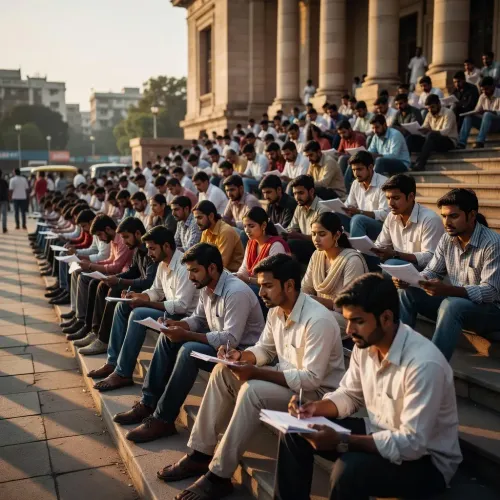
The meeting was called in response to sustained demands from various student organisations over exam delays and lack of transparency.
Computer-based examinations for MPSC will be implemented in a phased manner starting August 2027 ; existing conventional exams continue until then.
Fadnavis emphasised that the transition between systems must be smooth, giving all agencies adequate preparation time.
The MPSC has been directed to take the next formal decision on the exam calendar and transition roadmap.
The Chief Minister praised ongoing MPSC initiatives while calling for timely conduct of exams and prompt declaration of results.
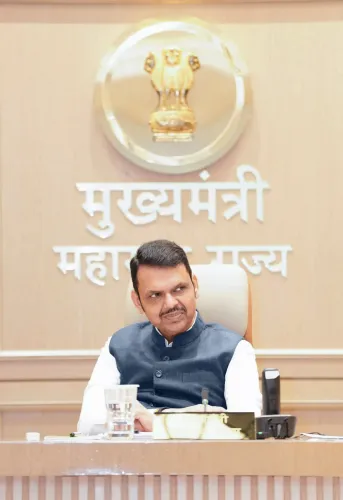
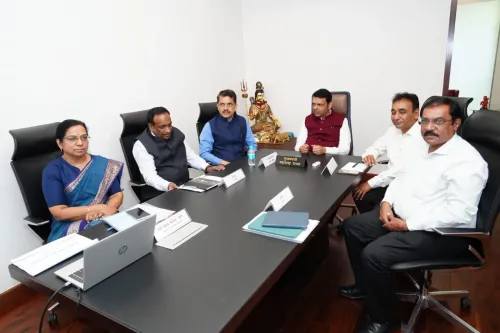
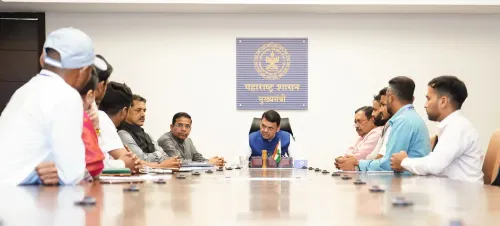
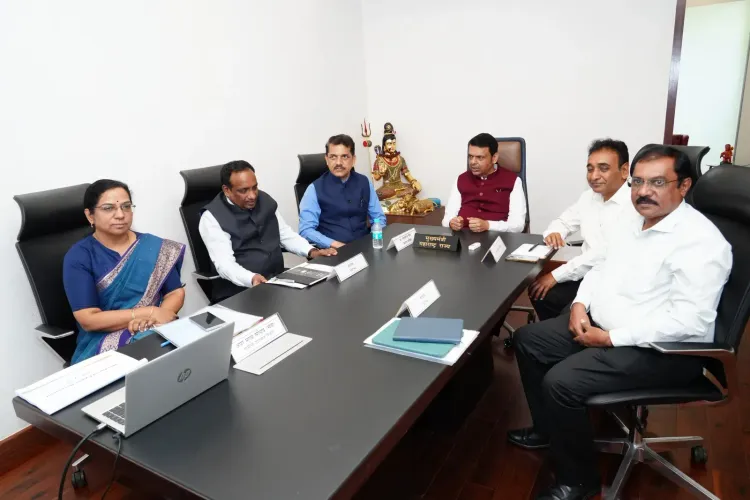
The Chief Minister's Office of Maharashtra announced on Thursday, 16 July 2026 that Chief Minister Devendra Fadnavis chaired a high-level meeting in Mumbai with Maharashtra Public Service Commission (MPSC) Chairman Vivek Bhimanwar, the state Chief Secretary, and senior officials of the General Administration Department, responding to sustained demands from student organisations for reforms in the state civil services examination process.
Context
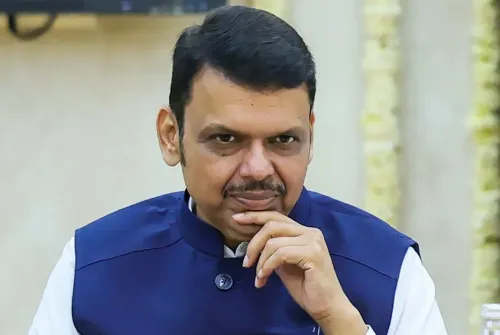
The meeting was convened in direct response to persistent pressure from various student bodies, who have since 2023-24 raised concerns over exam delays, alleged irregularities, and a lack of transparency in the MPSC recruitment pipeline. Fadnavis underscored his long-held position: 'एक सुरक्षित, पारदर्शी निवड प्रक्रिया हा कायमच माझा आग्रह राहिला आहे' ('A secure, transparent selection process has always been my insistence'). He added that the examination system itself must be equally transparent, with exams conducted and results declared on time.
The Chief Minister also praised various initiatives already undertaken by the MPSC, signalling acknowledgement of the commission's ongoing reform efforts even as he called for further action.
Policy Backdrop
The shift to computer-based testing (CBT) for public service commission exams has been a national trend since the mid-2010s, driven largely by the need to curb malpractice and accelerate result timelines. Several states, including Karnataka and Tamil Nadu, have navigated similar transitions, with extended preparatory timelines necessitated by infrastructure gaps and concerns over digital equity.
Fadnavis stressed that while reforms are necessary, the transition from one system to another must be smooth: 'एका व्यवस्थेकडून दुसर्या व्यवस्थेकडे मार्गोत्क्रमण हे तितकेच सुरळीत सुद्धा असले पाहिजे' ('The transition from one system to another must be equally seamless'). He directed that every agency involved be given adequate time to prepare.
Key Decision: Phased Rollout to August 2027
The Chief Minister directed that computer-based examinations not be implemented immediately. Instead, the process should be introduced in a phased manner, with full implementation beginning August 2027. Until that date, exams are to continue under the existing conventional mode. Fadnavis indicated that the MPSC should now take the next formal decision in line with this direction, giving both students and administrative systems adequate time to prepare.
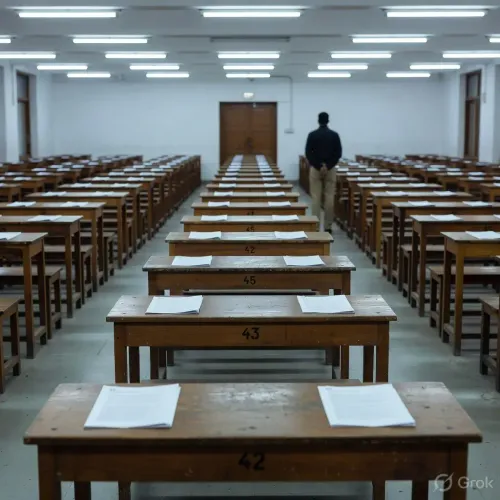
This phased approach addresses two parallel concerns: ensuring aspirants have sufficient time to adapt to the new format, and allowing examination infrastructure — including hardware, connectivity, and trained personnel — to be scaled up to the required standard across the state.
Stakeholders and Impact
The decision directly affects lakhs of civil services aspirants across Maharashtra who appear for MPSC Group A and Group B examinations each year. Student organisations, whose sustained advocacy triggered this review, are likely to see the August 2027 deadline as a concrete, time-bound commitment from the government. The MPSC itself, as a constitutional body under Article 315, will now be expected to publish a formal resolution outlining the exam calendar and the transition roadmap.
The General Administration Department will play a coordinating role in aligning recruitment rules with the new examination modality, while the state's IT and education infrastructure agencies will need to prepare examination centres capable of hosting large-scale computer-based tests.
What's Next
The MPSC is expected to issue a formal resolution in the coming months detailing the transition calendar, potential pilot computer-based tests before the 2027 full rollout, and any interim measures to address the backlog of pending recruitments. The government's ability to hold to the August 2027 deadline — and to demonstrate transparency in the intervening period — will be closely watched by student groups who have repeatedly taken to the streets over MPSC-related grievances. A credible, published roadmap from the commission will be the immediate test of whether this high-level direction translates into institutional action.
Point of View
Time-bound commitment — a formula that has worked in other states navigating similar transitions. By keeping the conventional exam mode intact until then, the administration avoids a disruptive cliff-edge change that could alienate a large and politically vocal aspirant community. The emphasis on MPSC taking the 'next decision' also deftly shifts immediate institutional accountability to the commission, while the Chief Minister retains credit for the reform direction. Whether this translates into genuine systemic change or becomes another deferred promise will depend almost entirely on the MPSC publishing and adhering to a credible, public transition roadmap in the months ahead.
NationPress
15 Oct 2026
Frequently Asked Questions
When will MPSC computer-based exams start in Maharashtra?
Chief Minister Devendra Fadnavis has directed that MPSC computer-based examinations be implemented from August 2027 in a phased manner. Until then, exams will continue under the existing conventional mode.
Why did CM Fadnavis call a meeting on MPSC reforms?
The meeting was convened in response to sustained demands from various student organisations regarding exam delays, lack of transparency, and the need for timely results in the MPSC recruitment process.
Who attended the MPSC reform meeting with CM Fadnavis on 16 July 2026?
The meeting included MPSC Chairman Vivek Bhimanwar , the Maharashtra Chief Secretary, and senior officials of the General Administration Department .
What is the MPSC and why does it matter to Maharashtra students?
The Maharashtra Public Service Commission (MPSC) is a constitutional body under Article 315 that recruits Group A and Group B state civil service officers through competitive exams, making it the primary gateway for government jobs for lakhs of aspirants in Maharashtra.
Will MPSC exams be cancelled or disrupted during the transition to computer-based mode?
No. CM Fadnavis has directed that conventional exams continue as usual until August 2027 , ensuring no disruption to the existing exam calendar during the transition period.