CM Fadnavis Stresses Transparent Governance at Monsoon Session
Synopsis
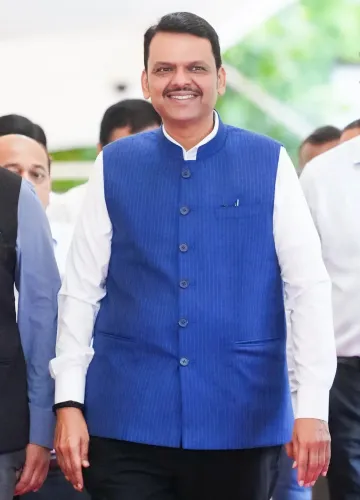
The Chief Minister's Office of Maharashtra on 9 July 2026 posted on X highlighting CM Devendra Fadnavis's stated emphasis on transparent governance during the Monsoon Session 2026, signalling the state government's accountability priorities for the current legislative sitting.
Key Takeaways
The Chief Minister's Office of Maharashtra posted on X on 9 July 2026 emphasising transparent administration.
Chief Minister Devendra Fadnavis is the focus of the post, with the Marathi phrase meaning 'emphasis on making administration transparent.' The statement was made in the context of Monsoon Session 2026 of the Maharashtra Legislature.
Fadnavis has a prior record of e-governance initiatives from his 2014–2019 tenure, including digital portals and grievance redressal systems.
Key stakeholders include Maharashtra 's approximately 12 crore citizens, state departments, and opposition legislators.
Specific transparency bills or digital initiatives announced during the session will be the key measure of follow-through.
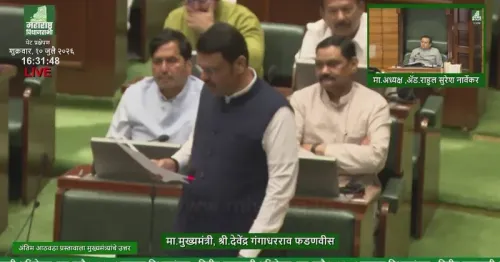
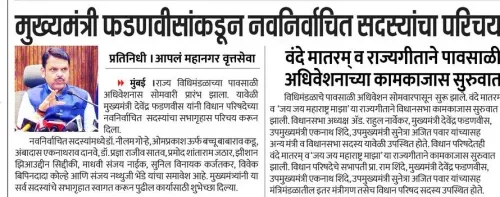
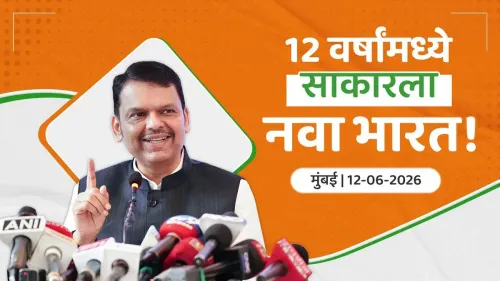
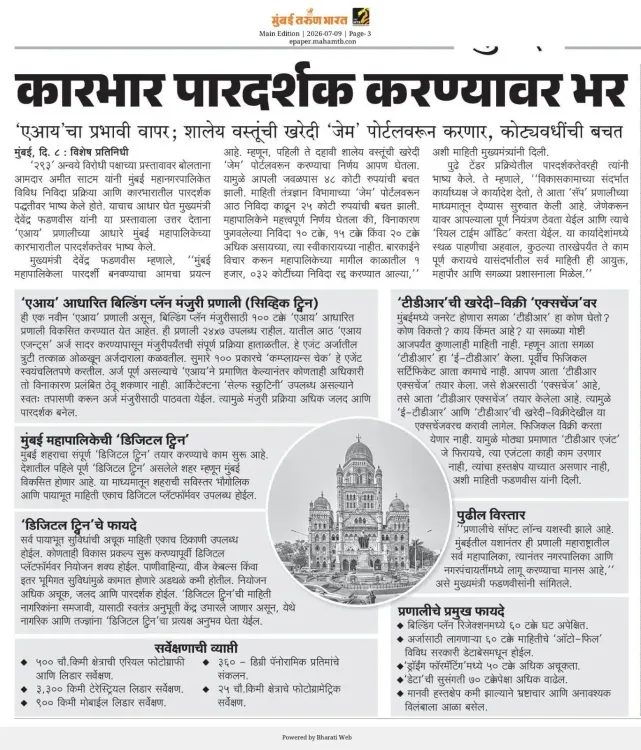
The Chief Minister's Office of Maharashtra on Thursday, 9 July 2026, posted on X highlighting Chief Minister Devendra Fadnavis's emphasis on making governance transparent, amid the ongoing Monsoon Session 2026 of the Maharashtra Legislature.
The post, tagging @Dev_Fadnavis and carrying the hashtags #Maharashtra, #DevendraFadnavis, and #MonsoonSession2026, stated in Marathi: 'कारभार पारदर्शक करण्यावर भर' — meaning 'emphasis on making administration transparent.' The message signals the state government's stated priority of open and accountable governance during the current legislative session.
Context
Devendra Fadnavis, a senior BJP leader, returned to the Chief Minister's post in late 2023 after previously serving in that role from 2014 to 2019. The Monsoon Session of the Maharashtra Legislative Assembly is one of three regular annual sittings and is a key forum for legislative business, budget discussions, and government accountability. Opposition legislators routinely use the session to scrutinise administrative functioning and raise questions about governance standards.
Policy Backdrop
During his earlier tenure from 2014 to 2019, Fadnavis oversaw the rollout of multiple e-governance portals and digital grievance redressal systems aimed at reducing physical interface between citizens and officials. Successive Maharashtra governments have periodically positioned transparency and digital governance as central priorities, often in response to opposition scrutiny and public pressure around administrative accountability. National frameworks such as the Right to Information Act and central e-governance missions have provided the broader policy environment for such state-level commitments.
The current emphasis on transparent administration follows a broader pattern seen across Indian states, where monsoon sessions frequently become platforms for governments to restate governance commitments and for opposition parties to test those claims through questions and debates on the floor of the house.
Stakeholders and Impact
Maharashtra's approximately 12 crore citizens stand to be the primary beneficiaries if transparency measures translate into concrete policy. State government departments — ranging from revenue and urban development to public health — are directly implicated, as transparent administration typically involves digitising records, streamlining approvals, and making information publicly accessible. Opposition legislators in the assembly are likely to demand specifics on timelines and measurable outcomes before the session concludes.
What's Next
Observers and civil society groups will watch closely for any transparency-related bills, executive orders, or digital initiative announcements tabled during the Monsoon Session 2026. Concrete legislative or administrative actions — such as amendments to disclosure norms, expansion of e-governance portals, or new grievance redressal mechanisms — would lend substance to the stated commitment. The session's proceedings will be a key indicator of whether the government's transparency push moves beyond a stated intent to verifiable policy action.
Point of View
And revisiting that credential during a session likely reflects both genuine policy intent and electoral positioning. The brevity of the post, however, leaves the commitment open-ended; without a specific measure or timeline attached, it functions more as a tone-setter than a policy announcement. Whether the session produces concrete transparency legislation will determine how the claim is ultimately judged.
NationPress
8 Oct 2026
Frequently Asked Questions
What did the Maharashtra Chief Minister's Office post about on 9 July 2026?
The Chief Minister's Office of Maharashtra posted on X on 9 July 2026 highlighting CM Devendra Fadnavis's emphasis on making governance transparent during the Monsoon Session 2026.
What does 'कारभार पारदर्शक करण्यावर भर' mean in English?
The Marathi phrase means 'emphasis on making administration transparent,' indicating the Fadnavis government's stated governance priority during the current legislative session.
What is the Maharashtra Monsoon Session 2026?
The Monsoon Session is one of three regular annual sittings of the Maharashtra Legislative Assembly, held during the rainy season for legislative business, budget debates, and government accountability discussions.
What transparency or e-governance steps has Devendra Fadnavis taken in the past?
During his earlier tenure from 2014 to 2019, Fadnavis oversaw the rollout of multiple e-governance portals and digital grievance redressal systems aimed at reducing physical interface between citizens and state officials.
What should citizens and observers watch for after this announcement?
Observers should watch for specific transparency-related bills, executive orders, or new digital governance initiatives tabled during the Monsoon Session 2026 that would give concrete form to the stated commitment.