PM Modi: Skills Will Define India's Future
Synopsis
Prime Minister Narendra Modi on 22 November 2026 posted a pointed message on X declaring that time is changing fast and skill — 'hunar' — will become the most important currency of the future, reinforcing India's decade-long Skill India push amid AI-era workforce concerns.
Key Takeaways
Prime Minister Narendra Modi posted on 22 November 2026 that skill will be the most important asset in a rapidly changing future.
The post used the word hunar (skill or craft), carrying broader cultural resonance beyond bureaucratic 'vocational training.' Skill India Mission , launched in 2015 , has been India's flagship programme to provide vocational training to millions of youth.
The National Education Policy 2020 integrated vocational education into mainstream schooling and higher education.
India's demographic dividend — one of the world's largest youth populations — is the direct audience for Modi's message.
The next concrete test will be new skill course rollouts and deeper integration between skill centres and universities.
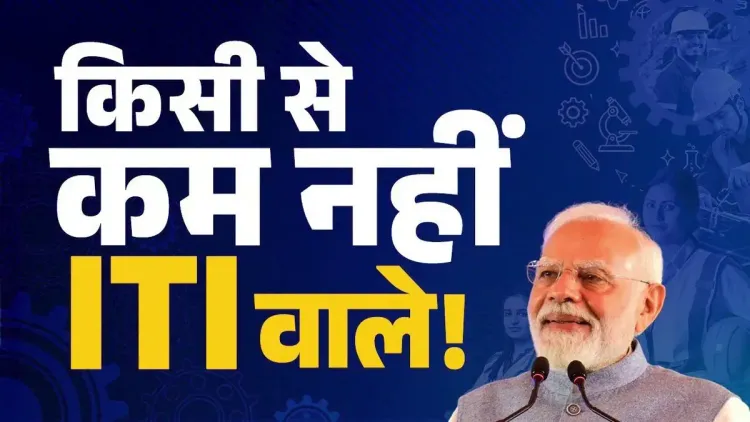
A sharp, two-line message from Prime Minister Narendra Modi landed on Sunday, 22 November 2026 — and its brevity carries real weight. 'Meri ek baat likh lijiye' ('Write down what I am about to say') he began, before delivering the punchline: time is changing fast, and a future is coming where skill will matter most.
The post, shared alongside a video, reads in full: 'Waqt tezi se badal raha hai… bhavishya aisa aane wala hai, jab hunar ki ahmiyat sabse mahatvapoorn hogi' — 'Time is changing rapidly… a future is coming when the importance of skill will be paramount.' The deliberate, almost conversational register — 'write this down' — signals a message Modi wants to cut through.
Skill India's decade-long run-up to this moment
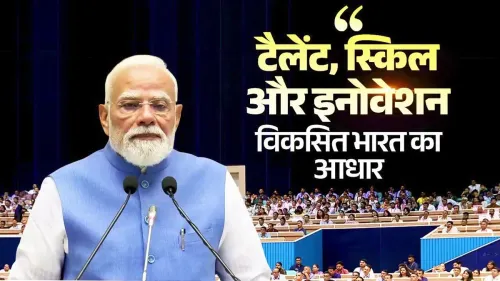
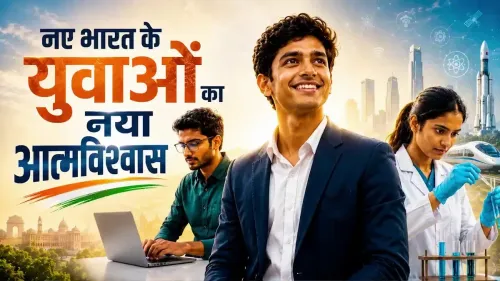
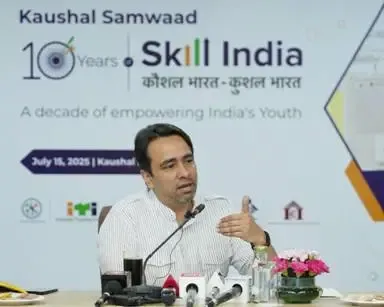
The statement does not emerge in a vacuum. India's Skill India Mission, launched in 2015, was designed to provide vocational training to millions of young Indians at a time when the country's demographic dividend — the largest youth cohort in the world — risked becoming a liability without employable skills. Over the decade since, successive updates to the programme have tried to keep pace with automation, artificial intelligence, and a rapidly shifting global labour market. The National Education Policy 2020 doubled down on that bet, weaving vocational education into mainstream schooling and higher education from early stages. The policy explicitly envisioned a future where a degree without a demonstrable skill set would leave graduates behind.Why 'hunar' hits differently in 2026
The word Modi chose — hunar — carries a richer cultural resonance than the bureaucratic 'vocational training.' It suggests craft, ingenuity, and mastery: the kind of capability that cannot be automated or offshored easily. In a year when global conversations around AI displacement have intensified, the choice of that word is pointed. India's workforce entrants — the tens of millions entering the job market each year — are the direct audience. For them, the signal from the country's top office is unambiguous: formal credentials matter less than what you can actually do. The next test of that signal will be concrete: whether updated Skill India course rollouts or deeper integration between skill centres and universities follow the rhetoric with structural change. A Prime Minister's post can set a direction. The institutions have to walk it.Point of View
He is pre-emptively framing any future skill-policy announcement as a continuation of a long-term vision rather than a reactive fix. The rhetorical device — 'write this down' — is designed to generate recall and shareability among younger, vernacular audiences. Watch whether this post precedes a formal policy announcement: Modi rarely signals this directly without a programmatic follow-through in the pipeline.
NationPress
22 Nov 2026
Frequently Asked Questions
What did PM Modi say about skills in his November 2026 post?
PM Modi said time is changing rapidly and a future is coming when skill — 'hunar' — will be the most important asset, urging people to take note of this shift.
What is Skill India Mission?
Skill India Mission is a flagship government programme launched in 2015 to provide vocational and technical training to millions of Indian youth, preparing them for a shifting labour market.
How does National Education Policy 2020 relate to skill development?
The National Education Policy 2020 integrated vocational education into mainstream schooling and higher education, ensuring students gain employable skills alongside academic qualifications.
Why is skill development important for India's youth?
India has one of the world's largest youth populations entering the workforce each year. Without demonstrable skills, the country's demographic dividend risks turning into unemployment, making skilling a national economic priority.
What is the meaning of 'hunar' in Modi's post?
'Hunar' is a Hindi-Urdu word meaning skill, craft, or ingenuity. Modi's choice of the word carries a richer connotation than 'vocational training,' suggesting mastery that is difficult to automate or replicate.