PM Modi Links Education, Skill and Health to Youth-Led Growth
Synopsis
Prime Minister Narendra Modi on 15 July 2026 invoked education, skill and health as the three pillars of India's youth-led growth, citing a Sanskrit shloka and connecting the message to flagship schemes including Skill India, Ayushman Bharat and NEP 2020.
Key Takeaways
PM Modi posted on 15 July 2026 linking wisdom, skill and good health to national progress and youth empowerment.
He quoted a Sanskrit shloka affirming that expertise, learning, health and contentment are the highest human gains.
The message aligns with three flagship programmes: Skill India Mission (2015), Ayushman Bharat (2018) and National Education Policy 2020 .
Skill India aimed to train 400 million people in vocational skills; Ayushman Bharat offers up to Rs 5 lakh health cover per family.
NEP 2020 introduced vocational education from Class 6 , directly reflecting the 'knowledge to wisdom' theme Modi cited.
The post continues a pattern of anchoring contemporary Indian policy goals in classical cultural and philosophical references.
Prime Minister Narendra Modi on Wednesday, 15 July 2026, shared a message on X invoking the classical virtues of wisdom, skill and good health as the foundations of national progress, drawing on both contemporary policy and ancient Sanskrit verse to frame India's youth as the engine of the country's rising global stature.
In the post, Modi wrote: 'विद्या से विवेक, कौशल से विकास और उत्तम स्वास्थ्य से हर संकल्प को सिद्धि मिलती है' — translating to: 'From knowledge comes wisdom, from skill comes development, and through good health every resolve finds fulfilment.' He added that India's youth are internalising these very qualities and strengthening the country's identity.
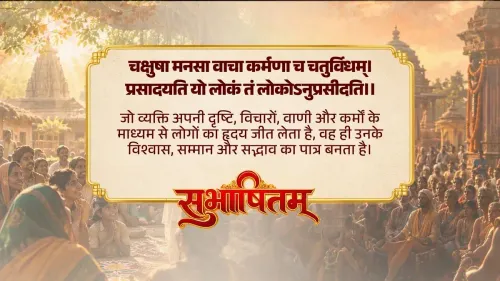
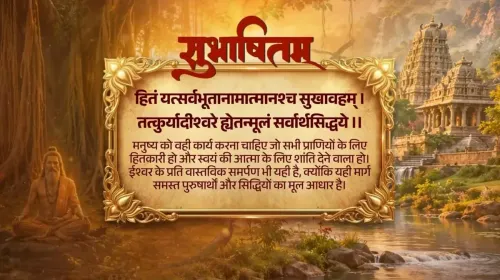
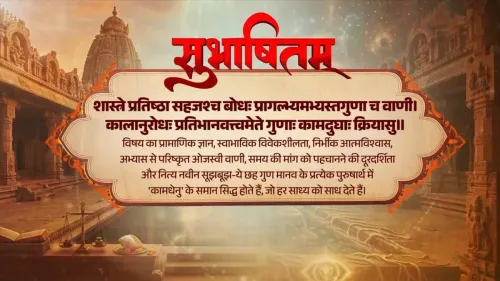
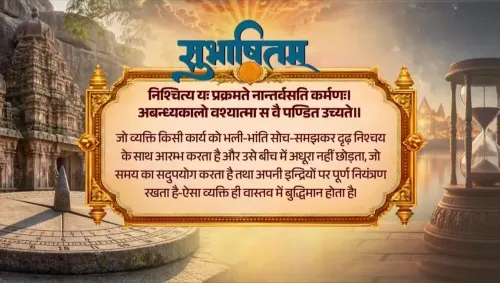
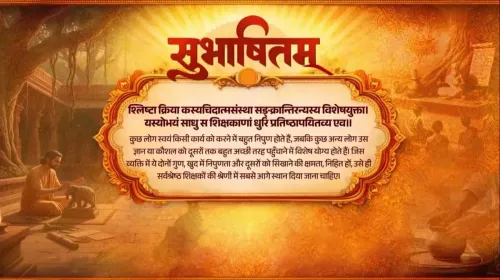
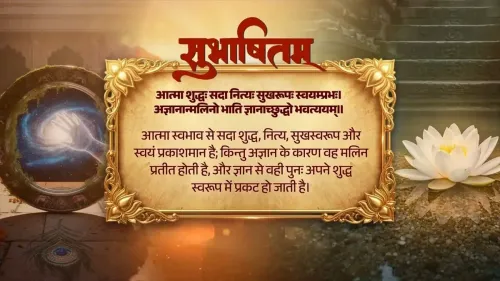
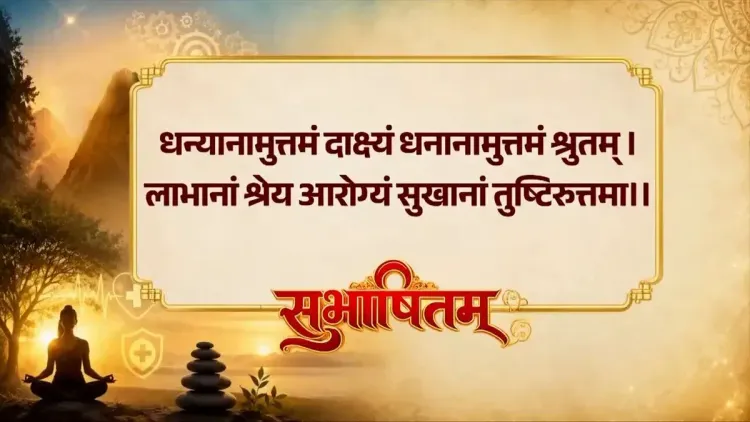
The post closed with a Sanskrit shloka: 'धनानामुत्तमं श्रुतम् ... लाभानां श्रेय आरोग्यं' — broadly meaning: 'Among skills, expertise is supreme; among wealth, learning is the highest; among gains, good health is the best; among joys, contentment is foremost.'
Context
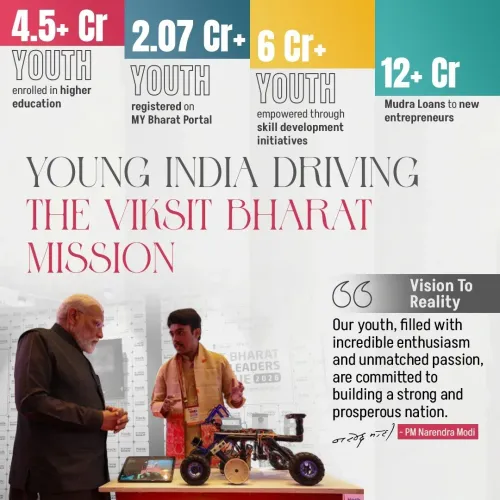
The message arrives against the backdrop of sustained government emphasis on treating education, skilling and health as interconnected pillars for unlocking India's demographic dividend. With a median age below 30, India's youth population is widely regarded as its single largest economic asset — but realising that potential has required coordinated investment across all three sectors Modi invoked.
The Sanskrit verse, drawn from classical Indian literature, reflects a recurring feature of Modi's official communications: anchoring contemporary policy goals in a cultural and philosophical tradition that resonates across linguistic communities.
Policy Backdrop
The three pillars Modi cited — knowledge, skill and health — map directly onto flagship government programmes launched since 2014. The Skill India Mission, launched in July 2015, set an ambitious target of training 400 million people by 2022 in industry-relevant vocational skills, creating a formal architecture for certifiable competency across dozens of sectors.
On the health front, Ayushman Bharat Pradhan Mantri Jan Arogya Yojana, rolled out in September 2018, extended health protection of up to Rs 5 lakh per family for secondary and tertiary care, positioning healthcare access as a development enabler rather than a welfare afterthought.
The National Education Policy 2020, approved in July 2020, completed the triad by replacing the 1986 policy framework with a multidisciplinary model that integrates vocational education from Class 6 onwards and encourages mother-tongue instruction in early years — directly addressing the 'vidya se vivek' ('from knowledge, wisdom') dimension Modi highlighted.
Stakeholders and Impact
Indian students, vocational trainees and young professionals are the primary audience and beneficiaries of the policy ecosystem Modi's message references. Successive Union Budgets have increased outlays for education and skilling, reflecting political consensus that human capital investment is central to sustaining high GDP growth.
The cultural framing — blending Sanskrit scholarship with modern scheme logic — also signals to a broader constituency that national development is being pursued within an Indian civilisational idiom, not merely borrowed from Western development models.
What's Next
Attention will now turn to the rollout status of NEP 2020's vocational modules in schools and the contours of health and skill allocations in the next Union Budget cycle. Whether the government pairs this messaging with fresh programme announcements or expanded targets for Skill India and Ayushman Bharat will determine how the rhetorical emphasis translates into on-ground delivery for millions of young Indians.
Point of View
Skilling and health presented as a unified ladder rather than siloed departments. The use of a Sanskrit shloka is deliberate branding: it signals civilisational continuity while reinforcing the government's claim that its development model is indigenously rooted. For a ruling party heading deeper into its third term, this kind of messaging serves dual purposes — reminding core supporters of cultural pride while projecting a coherent human-capital story to economic audiences. The real test, as always, lies in whether scheme delivery data matches the philosophical ambition.
NationPress
13 Oct 2026
Frequently Asked Questions
What did PM Modi post about education and youth on 15 July 2026?
PM Modi posted a message stating that wisdom from knowledge, development from skill and fulfilment from good health are the qualities India's youth are embodying to strengthen the nation's identity. He supported the message with a Sanskrit shloka highlighting learning, expertise, health and contentment as life's highest gains.
What is the Sanskrit shloka PM Modi quoted about health and knowledge?
The shloka Modi quoted translates broadly as: 'Among skills, expertise is supreme; among wealth, learning is the highest; among gains, good health is the best; among joys, contentment is foremost.' It is drawn from classical Sanskrit literature and is often cited in discussions of holistic human development.
How does Modi's message connect to Skill India Mission?
The Skill India Mission , launched in July 2015 , aimed to train 400 million Indians in vocational skills — directly reflecting the 'skill leads to development' theme in Modi's post. The mission remains a central plank of the government's youth employment strategy.
What is Ayushman Bharat and how does it relate to Modi's health message?
Ayushman Bharat Pradhan Mantri Jan Arogya Yojana , launched in September 2018 , provides health insurance of up to Rs 5 lakh per family for hospitalisation. It operationalises the 'good health enables every resolve' principle that Modi articulated in his post.
What changes did NEP 2020 bring for skill development in schools?
The National Education Policy 2020 introduced vocational education from Class 6 onwards, replacing the 1986 policy . It emphasised multidisciplinary learning and mother-tongue instruction, aligning with Modi's framing that knowledge must translate into practical wisdom and skill.