PM Modi shares Sanskrit verse honouring ideal teachers
Synopsis
Prime Minister Narendra Modi shared a Sanskrit verse on 1 June 2026 celebrating teachers who combine personal mastery with the ability to transmit knowledge — framing such educators as the true pinnacle of the profession, in line with NEP 2020's emphasis on teacher excellence.
Key Takeaways
PM Modi posted a classical Sanskrit verse on 1 June 2026 honouring teachers who excel at both personal skill and its transmission.
The verse argues that only one who possesses both qualities 'deserves to be placed at the forefront of teachers.' The post included a video whose specific occasion could not be independently confirmed at publication.
NEP 2020 explicitly prioritises teacher professional development and integration of Indian knowledge traditions.
Modi has a pattern of sharing Sanskrit verses on social media to reinforce cultural and educational values.
The post may precede or accompany government announcements on teacher training or recognition programmes.
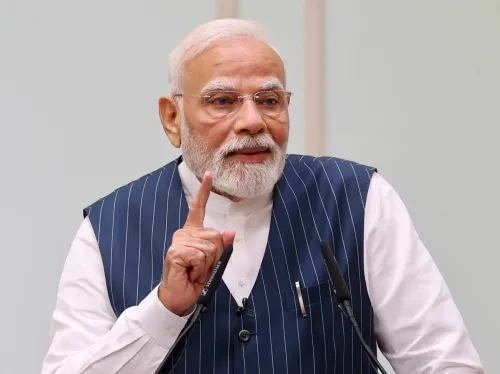
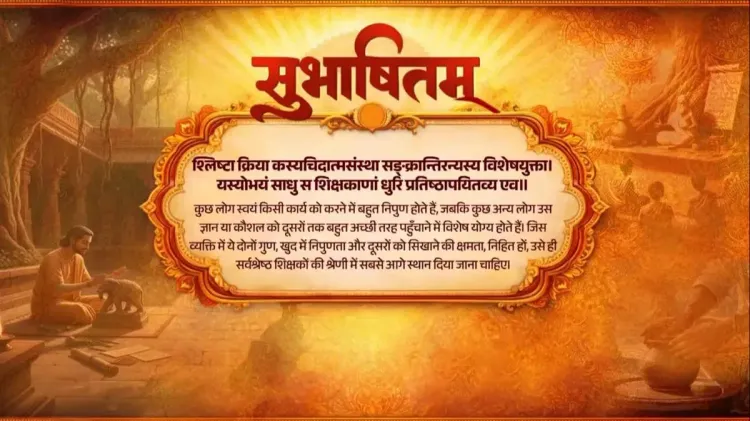
Prime Minister Narendra Modi on Monday, 1 June 2026, shared a classical Sanskrit verse on X that extols the qualities of an exemplary teacher — one who combines personal mastery of a skill with the ability to transmit it meaningfully to others.
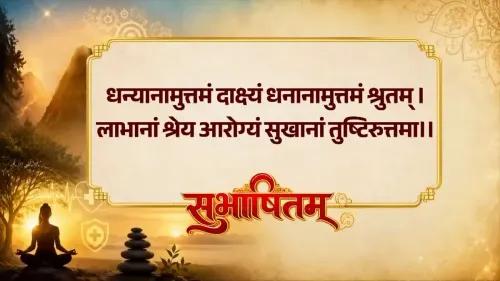
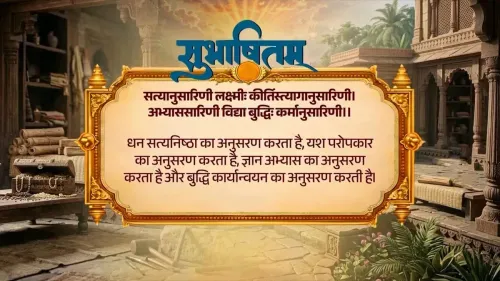
The verse, drawn from classical Sanskrit poetic tradition, reads: 'Shlishtaa kriyaa kasyachidaatmasamsthaa sankraantiranyasya visheshayuktaa. Yasyobhayam saadhu sa shikshakaanam dhuri pratishthapayitavya eva.' In English, this translates broadly as: 'One person's skill may rest within themselves alone; another's lies in its exceptional transmission to others. But one who excels at both — that person alone deserves to be placed at the forefront of teachers.'
Context
The verse underscores a distinction between personal expertise and the art of teaching — arguing that true pedagogical excellence demands both. Modi accompanied the post with a video, the contents of which could not be independently confirmed at the time of publication. The post was shared in the early hours of 1 June 2026.
Policy Backdrop
The post aligns with a broader cultural and policy emphasis on elevating the status of teachers in India. The National Education Policy (NEP) 2020 explicitly calls for revitalising the teaching profession, integrating Indian knowledge systems into curricula, and building robust teacher professional development frameworks. Modi has periodically used Sanskrit verses on social media to reinforce traditional values of learning and mentorship, situating them within the government's wider push to promote India's classical heritage alongside modern education reform.
Efforts under NEP 2020 implementation have included revised teacher training modules and renewed focus on the guru-shishya tradition — the ancient Indian model of the teacher-student relationship — as a philosophical anchor for contemporary pedagogy.
Stakeholders and Impact
The verse speaks directly to India's vast community of educators — from primary school teachers to university faculty — by articulating a high but clear standard: the ideal teacher must be both a practitioner and an effective communicator of their craft. For India's approximately 9.5 million school teachers, the sentiment carries symbolic weight, particularly as debates around teacher quality and training remain central to education policy discussions. Civil society organisations working on teacher empowerment have long argued that public recognition of the profession is as important as structural reforms.
What's Next
Observers will watch for any associated government announcements — such as the rollout of new teacher professional development programmes or events honouring educators — that may follow or contextualise the post. National Teachers' Day, observed on 5 September each year, remains the most prominent annual occasion for such initiatives, though tributes to teachers appear at multiple points in the calendar under current government practice. The broader arc of NEP 2020 implementation suggests that elevating teacher status — philosophically and institutionally — will remain a recurring theme of the administration's education agenda.
Point of View
Lending classical legitimacy to NEP 2020's push for teacher excellence. By foregrounding the guru-shishya tradition, the post positions India's ancient pedagogical heritage as both culturally prestigious and policy-relevant. The choice to post in Sanskrit also signals a consistent strategy of cultural assertion that resonates with the administration's broader civilisational narrative. Whether or not a concrete policy announcement follows, the post reinforces a symbolic hierarchy that places the skilled, communicative teacher at the apex of national life.
NationPress
15 Sept 2026
Frequently Asked Questions
What Sanskrit verse did PM Modi share about teachers?
PM Modi shared a verse stating that a person who both masters a skill personally and transmits it excellently to others deserves to be placed at the forefront of all teachers.
Why did PM Modi post a Sanskrit shloka on teachers in June 2026?
The specific occasion was not confirmed at publication, but Modi regularly shares Sanskrit verses on social media to highlight traditional Indian values of learning and mentorship, often in alignment with education policy goals.
What does NEP 2020 say about teachers?
The National Education Policy 2020 calls for revitalising the teaching profession, building stronger teacher professional development frameworks, and integrating Indian knowledge systems into education.
When is National Teachers' Day in India?
National Teachers' Day in India is observed on 5 September each year, marking the birth anniversary of former President Dr Sarvepalli Radhakrishnan.
What is the meaning of the Sanskrit verse Modi shared?
The verse distinguishes between a person whose skill is self-contained, one who excels at transmitting knowledge, and declares that only the teacher who possesses both qualities truly merits the highest place among educators.