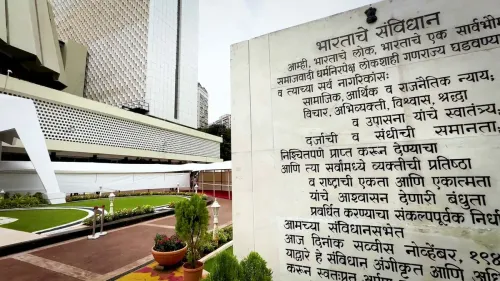
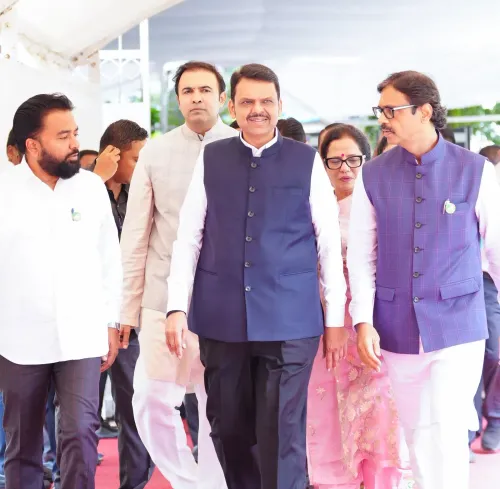
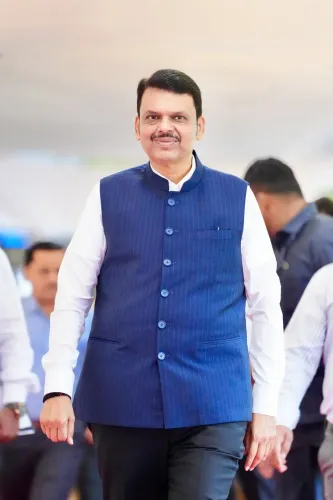
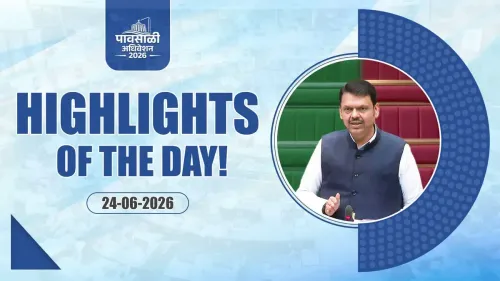
CM Fadnavis Office Flags Maharashtra Monsoon Session 2026
Synopsis
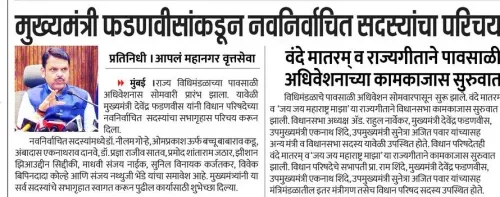
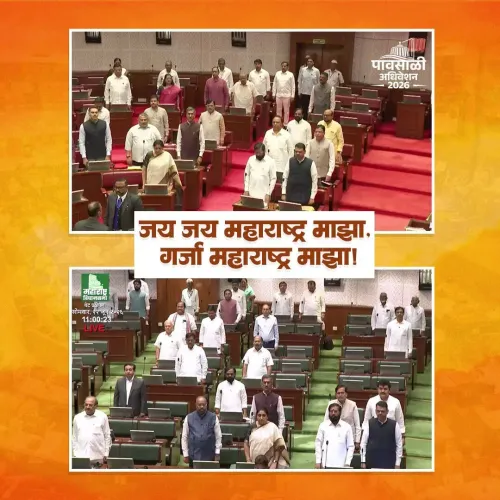
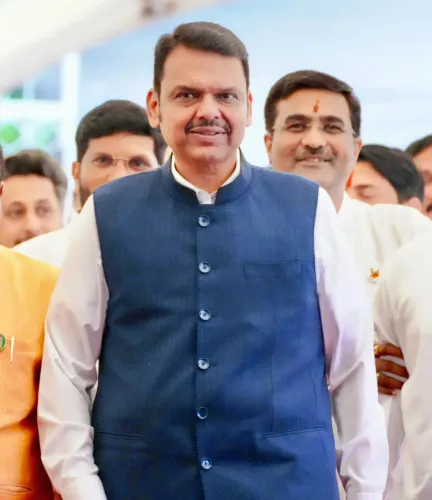
The Chief Minister's Office of Maharashtra posted on X on 3 July 2026, flagging the Monsoon Session 2026 under CM Devendra Fadnavis. The annual sitting of the Maharashtra Legislative Assembly is a key constitutional forum for legislative business, budget scrutiny, and executive accountability.
Key Takeaways
The Chief Minister's Office of Maharashtra officially flagged Monsoon Session 2026 via X on 3 July 2026 .
CM Devendra Fadnavis leads the current BJP-led coalition government overseeing the session.
The Maharashtra Legislative Assembly holds three sessions annually; the monsoon session covers budget demands and new legislation.
Key areas historically addressed include urban infrastructure, agriculture, and administrative reform .
Bills for introduction and supplementary demands for grants are the primary items to watch during the session.
The session serves as a constitutional mechanism for opposition scrutiny of the state government's functioning.
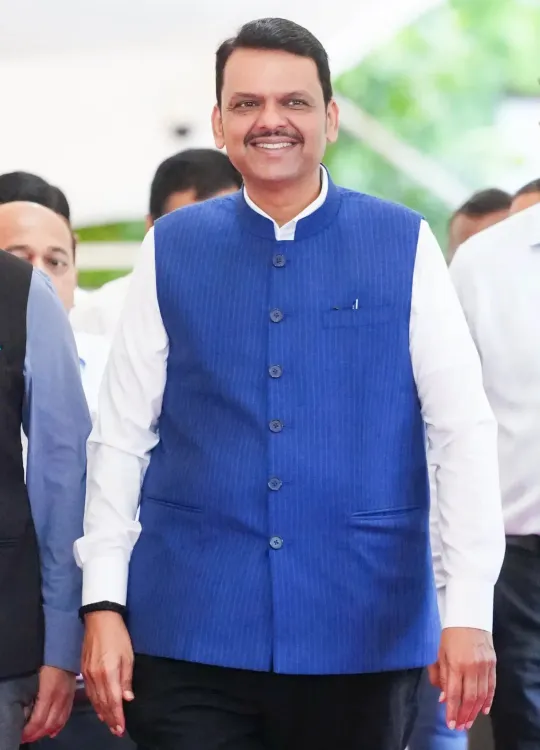
The Chief Minister's Office of Maharashtra posted on X (formerly Twitter) on Friday, 3 July 2026, flagging the Maharashtra Monsoon Session 2026 under Chief Minister Devendra Fadnavis, signalling the commencement of the state legislature's monsoon sitting.
Context
The post, tagged with #MonsoonSession2026 and #DevendraFadnavis, marks the official communication around the annual monsoon sitting of the Maharashtra Legislative Assembly. The session is a constitutionally mandated part of the legislative calendar, giving elected representatives the opportunity to scrutinise government functioning, raise public concerns, and transact legislative business.
Chief Minister Devendra Fadnavis, a senior BJP leader, has led the state government through multiple terms, with a focus on urban infrastructure, law and order, and administrative reform. The current BJP-led coalition government continues that trajectory heading into this session.
Policy Backdrop
Maharashtra has consistently held three legislative sessions each year — budget, monsoon, and winter — since at least 2014, under successive governments. The monsoon session typically takes up demands for grants, supplementary budgets, and sector-specific legislation covering areas such as agriculture, urban development, and administrative governance.
State legislatures across India hold monsoon sessions as part of the constitutional calendar to ensure executive accountability. Maharashtra's sessions under the Fadnavis administration have historically addressed urban infrastructure projects, farmer welfare measures, and administrative reforms.
Stakeholders and Impact
The primary stakeholders are the elected members of the Maharashtra Legislative Assembly and the Maharashtra Legislative Council, who will participate in debates and voting on bills and budget demands. For Maharashtra's residents — spanning agriculture-dependent communities in Vidarbha and Marathwada to urban populations in Mumbai, Pune, and Nagpur — the session's outcomes directly shape public spending and policy priorities.
Opposition legislators are expected to use the session as a platform to raise issues around rural distress, infrastructure delivery, and law-and-order concerns, making it a key forum for political accountability in the state.
What's Next
Attention will focus on the bills listed for introduction and any supplementary demands for grants tabled during the session. The legislative agenda is expected to reflect the coalition government's policy priorities for the remainder of the financial year.
The CMO Maharashtra's active communication around the session signals an intent to keep the public informed of proceedings, consistent with the broader push for transparent governance seen in recent years. The session's outcomes will be closely watched by both policy observers and citizens across the state.
Point of View
Infrastructure gaps, and law-and-order concerns. For the BJP-led coalition, managing the session's optics and legislative output will be as important as the bills passed. The broader pattern across Indian state governments shows that proactive communication ahead of sessions is increasingly used to set the agenda and pre-empt criticism.
NationPress
1 Oct 2026
Frequently Asked Questions
When is the Maharashtra Monsoon Session 2026?
The exact dates have not been officially confirmed in public communications as yet, but the Chief Minister's Office of Maharashtra flagged the Monsoon Session 2026 on 3 July 2026, indicating proceedings are imminent or underway.
What is the Maharashtra Monsoon Session?
The Maharashtra Monsoon Session is one of three annual sittings of the Maharashtra Legislative Assembly. It is used to transact legislative business including passing bills, supplementary budget demands, and scrutinising government functioning.
Who is the Chief Minister of Maharashtra in 2026?
Devendra Fadnavis of the BJP is the Chief Minister of Maharashtra, leading a coalition government. He has served multiple terms as Chief Minister with a focus on infrastructure, urban development, and law and order.
What issues are discussed in Maharashtra's monsoon session?
Maharashtra's monsoon sessions typically address supplementary demands for grants, agriculture and farmer welfare, urban infrastructure, administrative reforms, and any urgent legislation the government seeks to pass.
How many sessions does the Maharashtra Legislative Assembly hold each year?
The Maharashtra Legislative Assembly holds three sessions annually: the budget session, the monsoon session, and the winter session, each serving distinct legislative and oversight functions.