Jaishankar meets USISPF delegation on energy, AI, minerals
Synopsis
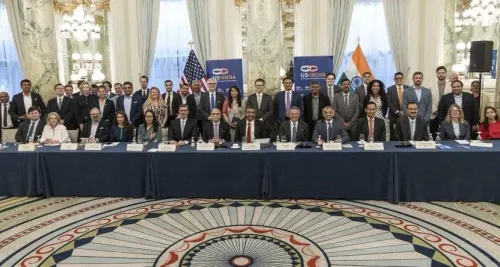
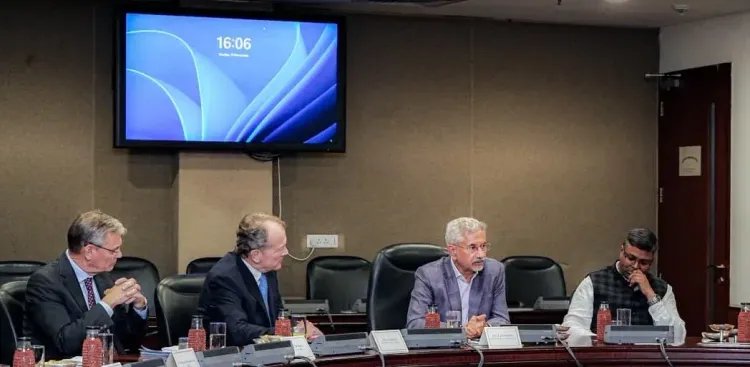
External Affairs Minister Dr. S. Jaishankar met the USISPF delegation in New Delhi on 15 November 2026, spotlighting energy, critical minerals, AI, electronics and pharma as the five pillars of a deepening India-US private-sector-driven strategic partnership.
Key Takeaways
Jaishankar met a USISPF delegation in New Delhi on 15 November 2026 .
Discussions covered five sectors : energy, critical minerals, AI, electronics, and pharmaceuticals.
Jaishankar emphasised the 'important role of business' in building a closer India-US partnership.
The meeting aligns with the iCET framework launched in January 2023 for AI, semiconductors, critical minerals, and clean energy collaboration.
The India-US Civil Nuclear Agreement of 2008 underpins the ongoing civil energy cooperation agenda.
India-US strategy increasingly deploys private-sector delegations to operationalise summit-level commitments.
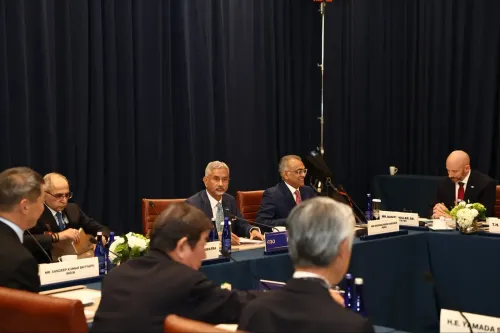
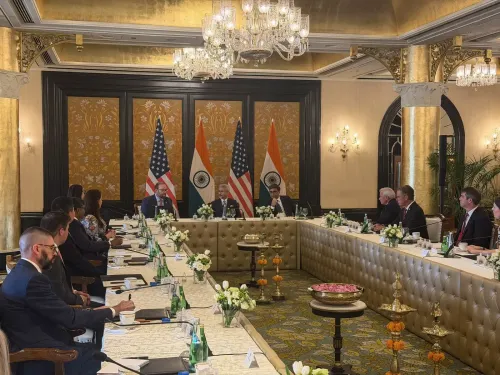
When business walks into South Block, it is usually because the stakes are high enough for governments to listen. Union External Affairs Minister Dr. S. Jaishankar met a delegation from the US-India Strategic Partnership Forum (USISPF) in New Delhi on Sunday, 15 November 2026, anchoring the conversation on five sectors that now define the India-US economic relationship: energy, critical minerals, artificial intelligence, electronics, and pharmaceuticals.
Why these five sectors, why now
The choice of agenda items is not accidental. Each of the five sectors maps directly onto a vulnerability — in global supply chains, in technological self-reliance, or in strategic competition with China — that both India and the United States have been trying to close together. The US-India Initiative on Critical and Emerging Technology (iCET), launched in January 2023, established exactly this architecture: a formal framework for AI, semiconductors, critical minerals, and clean energy cooperation, backed by both governments but designed to be executed through private capital and commercial partnerships.
Critical minerals sit at the centre of that logic. From EV batteries to fighter-jet components, secure mineral supply chains are now a geopolitical priority — and India, with its geological reserves and processing ambitions, is positioning itself as an alternative to China-dominated pathways. AI and electronics follow a similar thread: both countries want resilient semiconductor and software ecosystems that do not run through a single chokepoint.
USISPF's role in the India-US architecture
The USISPF is not a government body — it is a business-led platform specifically designed to convert strategic intent into commercial deals. Its delegations typically carry corporate mandates from energy majors, technology firms, and pharmaceutical companies, making these meetings an early-warning system for where actual investment flows may head. Dr. Jaishankar's decision to 'underline the important role of business in forging a closer India-US partnership' signals that New Delhi is not waiting for the next official 2+2 dialogue to move the needle.
The India-US Civil Nuclear Agreement of 2008 remains the foundational layer for the energy conversation — a framework still being activated, two decades on, as both sides explore new reactor designs and fuel-cycle arrangements.
Private sector as the new diplomatic vanguard
The broader pattern here is deliberate. India-US engagement has increasingly pushed private-sector actors to the front of the queue, complementing — rather than waiting on — summit-level commitments and ministerial dialogues. For India, this approach also serves a diversification goal: deepening ties with Washington while building parallel commercial relationships with other major partners.
The next iCET review meeting and any follow-up announcements on critical mineral deals or joint AI projects will be the real test of whether Sunday's conversation translates into signed agreements.
Diplomacy sets the table. Business is expected to eat.
Point of View
Then route execution through business-led platforms like USISPF to maintain momentum between formal ministerial cycles. For Jaishankar — a diplomat who has served in Washington and understands corporate Washington's rhythms — framing business as a 'forger' of partnership is a pointed signal that New Delhi wants deals, not just declarations. The five-sector focus also maps neatly onto India's simultaneous push to diversify away from Chinese-dominated supply chains, turning a geopolitical anxiety into a commercial pitch. Watch the next iCET review for whether Sunday's warmth produces signed commitments.
NationPress
15 Nov 2026
Frequently Asked Questions
What is the USISPF and why does it meet Indian ministers?
The US-India Strategic Partnership Forum (USISPF) is a business-led organisation that promotes commercial and strategic ties between India and the United States. It meets senior Indian ministers to align private-sector investment priorities with government policy direction.
What sectors did Jaishankar discuss with the USISPF delegation?
The discussions covered five sectors: energy, critical minerals, artificial intelligence, electronics, and pharmaceuticals — all identified as strategic priorities under the India-US iCET framework.
What is iCET and how does it relate to this meeting?
The US-India Initiative on Critical and Emerging Technology (iCET) was launched in January 2023 to deepen collaboration in AI, semiconductors, critical minerals, and clean energy. The sectors discussed in Sunday's meeting map directly onto iCET's mandate.
Why are critical minerals a focus of India-US talks?
Critical minerals are essential for EV batteries, defence equipment, and advanced electronics. Both India and the US are working to build supply chains that reduce dependence on China-dominated processing networks, making this a shared strategic priority.
What was the significance of Jaishankar's statement on the role of business?
By underlining the 'important role of business in forging a closer India-US partnership,' Jaishankar signalled that New Delhi wants commercial deals and private-sector investment flows — not just government-level declarations — to drive the bilateral relationship forward.