Amit Shah Lays Foundation of NHEC Co-op Unit, Launches Bharat Taxi in Pune
Synopsis
On 15 November 2026, Union Home and Cooperation Minister Amit Shah laid the foundation of NHEC's 110-acre multi-state cooperative processing unit in Pune — covering sugar machinery, CBG, and dairy — launched the driver-owned Bharat Taxi service, and inaugurated the Central Registrar's Western Regional Office.
Key Takeaways
NHEC Multi-State Cooperative Society will build a 110-acre integrated unit in Pune covering sugar factory machinery, Compressed Biogas, and dairy processing.
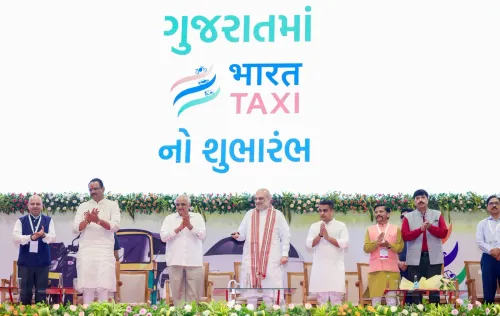
Bharat Taxi , a cooperative ride-hailing service, was formally launched in Pune; drivers received share certificates , making them part-owners.
The Central Registrar of Cooperative Societies' Western Regional Office was inaugurated, bringing regulatory infrastructure closer to Maharashtra, Gujarat, and Goa.
All three events align with the Ministry of Cooperation 's mandate, established in July 2021 , to mainstream cooperatives within the Atmanirbhar Bharat framework.
The NHEC unit is intended to ensure farmers receive full value for sugarcane and milk, eliminating intermediary losses.
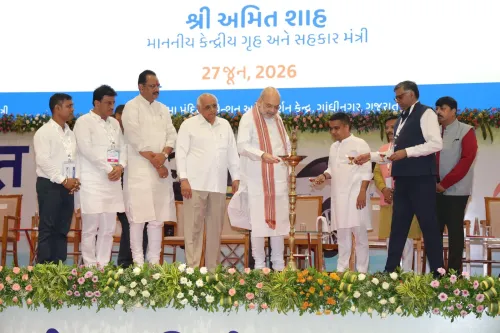
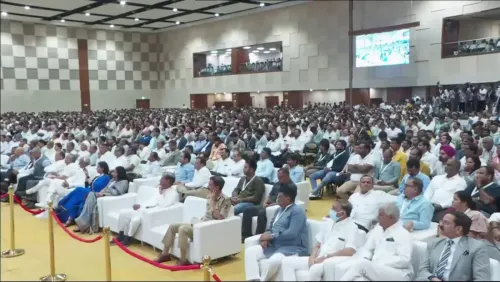
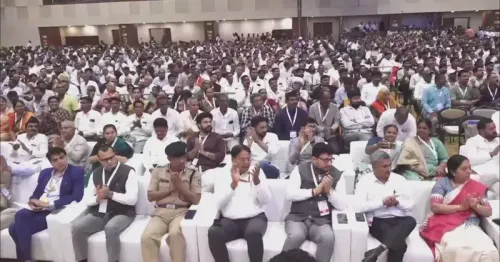
Three inaugurations in a single afternoon in Pune, Maharashtra — that is how Union Home and Cooperation Minister Amit Shah marked 15 November 2026, laying the groundwork for a 110-acre multi-state cooperative processing hub, flagging off the Bharat Taxi cooperative cab service, and opening the Central Registrar of Cooperative Societies' Western Regional Office in one sweep.
A 110-Acre Bet on Sugar, Gas and Dairy
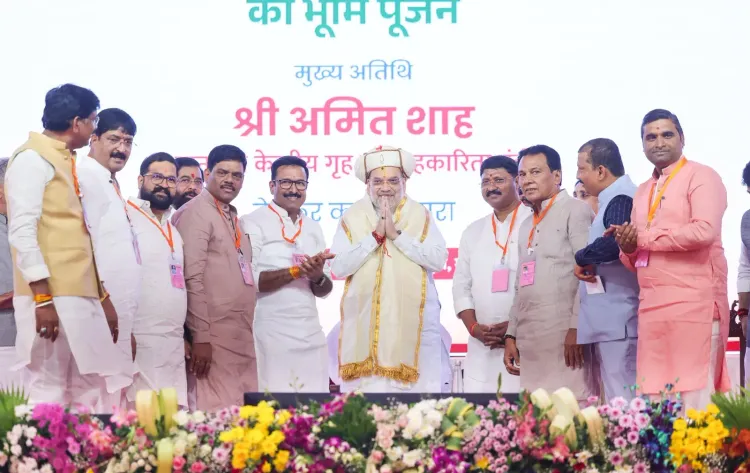
The centrepiece of the visit was the bhoomi pujan (foundation-laying ceremony) of the NHEC Multi-State Cooperative Society's integrated processing unit. Spread across 110 acres, the facility is designed to house three distinct verticals: sugar factory machinery manufacturing, a Compressed Biogas (CBG) plant, and a dairy project. Shah said the unit would ensure that farmers receive the 'full benefit of every unit of sugarcane and milk they produce' — a signal that the cooperative's value chain is intended to run from farm gate to finished product, cutting out intermediaries.
The choice of Pune is strategic. The city sits at the heart of Maharashtra's sugar belt and has a dense network of dairy cooperatives, making it a natural anchor for a facility that ties both commodities together under one roof. The CBG component also adds a renewable-energy revenue stream, allowing cane waste to generate gas rather than go to landfill.
Bharat Taxi: The Cooperative Model Enters Urban Mobility
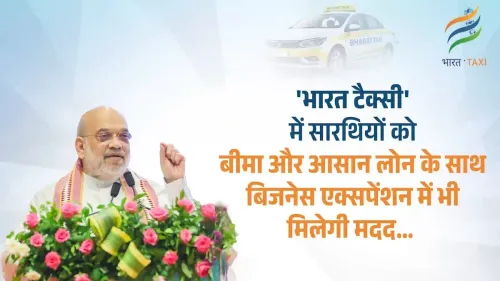
Alongside the agricultural push, Shah launched the Bharat Taxi service in Pune — and in what may be its most visible gesture, handed share certificates to drivers (sarthis) on the spot. The move underlines that Bharat Taxi is not merely another aggregator app but a driver-owned cooperative, where the person behind the wheel is also a part-owner of the enterprise.
The service has already rolled out across several Indian cities. Shah described it as giving drivers 'dignity and self-respect' while offering passengers 'reliable and safe travel' — the cooperative pitch positioning it as an ethical alternative to venture-capital-backed ride-hailing platforms.
Western Regional Office: Regulatory Infrastructure Catches Up
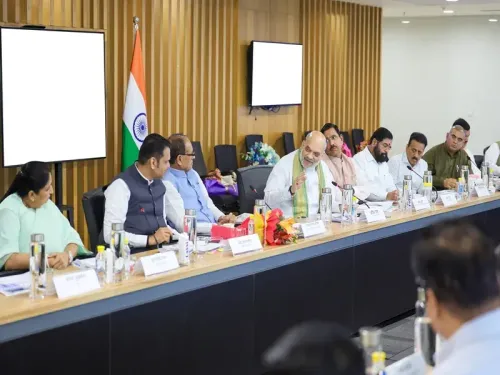
The third event — the inauguration of the Central Registrar of Cooperative Societies' Western Regional Office — may be the least visible but is arguably the most consequential for the sector's long-term health. The Central Registrar is the statutory body that registers and regulates multi-state cooperatives under the Multi-State Cooperative Societies Act. A dedicated western office brings the regulatory apparatus physically closer to Maharashtra, Gujarat, and Goa — three states that together account for a large share of India's cooperative economy.
Where This Fits: Five Years of the Ministry of Cooperation
The Ministry of Cooperation, created in July 2021 under Shah's charge, was India's first standalone ministry devoted to the cooperative sector. Its mandate: provide focused policy support to cooperatives and weave them into the Atmanirbhar Bharat framework. Today's events in Pune are a textbook illustration of that mandate — primary producers in agriculture, urban mobility workers, and regulatory bodies all brought under one cooperative umbrella on the same day, in the same city.
The question now is whether the NHEC unit gets built on schedule and whether Bharat Taxi can sustain driver ownership at scale as it expands city by city. The Western Regional Office's ability to process registrations faster will be an early stress-test of whether the regulatory infrastructure can keep pace with the political ambition.
Point of View
Renewable energy, and urban services simultaneously. By handing share certificates to taxi drivers on stage, Shah is making a visible argument that the cooperative form can disrupt platform-economy giants, not just rural supply chains. The inauguration of the Western Regional Office alongside splashy headline events signals an awareness that regulatory capacity — not just political will — determines whether the cooperative push endures. Watched together, the three events represent the most concentrated single-day display of cooperative-sector policy since the Ministry was created in 2021.
NationPress
15 Nov 2026
Frequently Asked Questions
What is the NHEC Multi-State Cooperative Society project in Pune?
The NHEC Multi-State Cooperative Society is building a 110-acre integrated processing unit in Pune, Maharashtra , that will include sugar factory machinery manufacturing, a Compressed Biogas plant, and a dairy project, aimed at maximising returns for sugarcane and milk farmers.
What is Bharat Taxi and how is it different from other cab services?
Bharat Taxi is a cooperative-model cab service where drivers are also shareholders in the enterprise. Unlike venture-capital-backed ride-hailing apps, Bharat Taxi distributes ownership to drivers via share certificates, as demonstrated at the Pune launch on 15 November 2026 .
What is the Central Registrar of Cooperative Societies?
The Central Registrar of Cooperative Societies is the statutory authority that registers and regulates multi-state cooperatives under the Multi-State Cooperative Societies Act. Its new Western Regional Office , inaugurated in Pune, serves cooperatives in Maharashtra, Gujarat, and Goa.
When was India's Ministry of Cooperation set up and who heads it?
India's Ministry of Cooperation was established in July 2021 and is headed by Union Minister Amit Shah . It was created to provide dedicated policy support to the cooperative sector and integrate it with the Atmanirbhar Bharat framework.
How does the NHEC cooperative unit benefit Maharashtra farmers?
By processing sugarcane into machinery-grade output and biogas, and milk through an on-site dairy project, the NHEC unit is designed to give Maharashtra farmers the full value of their produce rather than selling raw commodities at lower prices to private intermediaries.