Amit Shah: Bharat Taxi drivers get their own cooperative
Synopsis
Union Home Minister Amit Shah announced on 27 June 2026 that Bharat Taxi drivers now have their own cooperative society, offering loan assistance, insurance protection and a business expansion model — extending the government's cooperative framework to platform-based transport workers.
Key Takeaways
Bharat Taxi drivers now have a dedicated cooperative society, as announced by Union Home Minister Amit Shah on 27 June 2026 .
The cooperative will provide loan assistance , insurance coverage and a business expansion model for its members.
The initiative falls under the Ministry of Cooperation , which Shah heads and which was established in July 2021 to modernise India's cooperative sector.
The move extends the cooperative framework — previously applied to dairy, sugar and handloom sectors — to platform-based taxi workers in the unorganised transport sector.
State-level registrations of Bharat Taxi societies and potential amendments to the Multi-State Cooperative Societies Act are the key developments to watch.
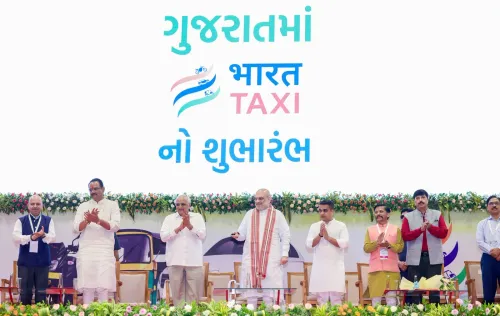
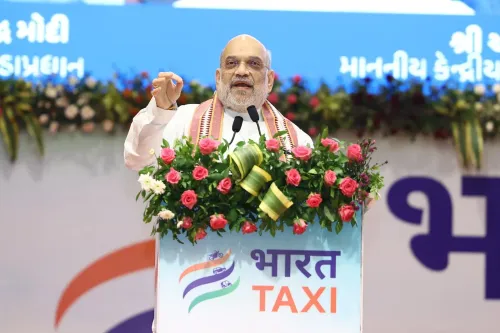
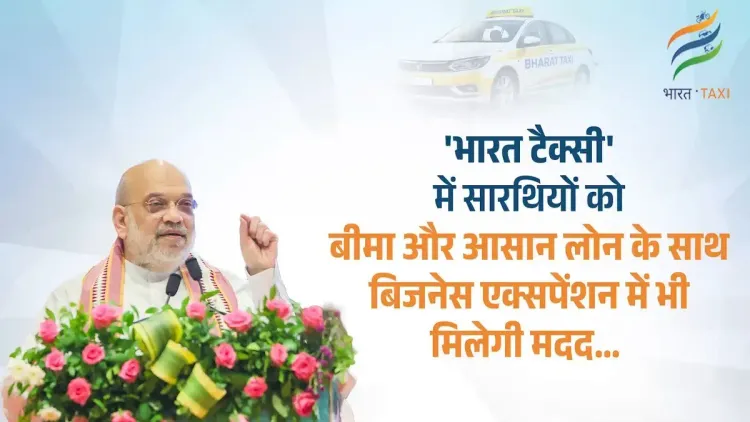
Union Home Minister Amit Shah on Saturday, 27 June 2026 announced that taxi drivers under the Bharat Taxi initiative now have their own cooperative society — one designed to provide loan assistance, insurance coverage and a structured business expansion model for its members.
Context
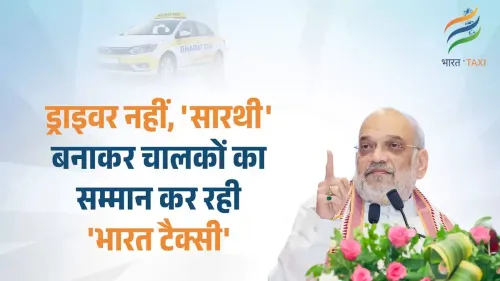
Shah posted in Hindi on X, stating: 'Bharat Taxi' sarthiyon ki apni cooperative hai — meaning 'Bharat Taxi drivers have their own cooperative' — and noted that it will support loan access, insurance protection and a business expansion model. The announcement positions platform-based taxi workers within the same cooperative framework that the central government has extended to dairy, sugar and handloom sectors since 2021.
The Ministry of Cooperation, which Shah heads in addition to the Home Ministry, was established in July 2021 specifically to give dedicated policy focus to India's cooperative movement. Bharat Taxi represents its latest application to the unorganised transport sector.
Policy Backdrop
Since the Ministry of Cooperation was carved out as a standalone department, the central government has consistently promoted cooperatives as vehicles for credit access, risk mitigation and collective enterprise — particularly in sectors where workers lack formal financial safety nets. Dairy cooperatives and handloom societies have been the most prominent earlier beneficiaries of this push.
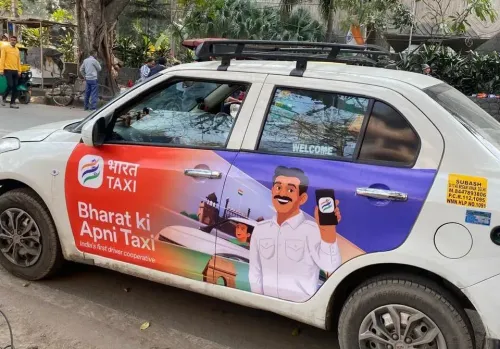
Extending the cooperative model to app-based and street-level taxi drivers addresses a persistent gap: most such drivers operate as individual contractors with limited access to institutional credit and no employer-provided insurance. A registered cooperative can aggregate their bargaining power and serve as a formal borrower with lenders.
Stakeholders and Impact
The primary beneficiaries are taxi drivers — including those operating under the Bharat Taxi platform — who stand to gain structured access to loans, an insurance umbrella and a pathway to collectively scale their operations. For drivers who previously relied on informal moneylenders or high-interest vehicle-finance products, cooperative membership could meaningfully reduce the cost of capital.
The cooperative structure also carries implications for the broader gig-economy workforce. If the Bharat Taxi model proves replicable, it could serve as a template for bringing other categories of platform workers — auto-rickshaw operators, delivery riders — into the cooperative fold, potentially influencing how the Multi-State Cooperative Societies Act is amended going forward.
What's Next
Observers will track state-level registrations of Bharat Taxi cooperative societies, the specific lending and insurance products tied to membership, and whether Parliament takes up amendments to cooperative legislation to facilitate cross-state expansion. The Ministry of Cooperation's track record suggests formal guidelines or a model by-law template for transport cooperatives could follow.
The announcement signals that the government's cooperative push is moving from traditional agrarian sectors into the digital-platform economy — a shift that will test whether the century-old cooperative legal architecture can adapt to the realities of gig work.
Point of View
The government can claim welfare delivery while keeping the platform economy's flexible labour model intact. The move also gives the Ministry of Cooperation a visible urban and technology-sector footprint, broadening its political relevance beyond its traditional agrarian base. Whether the cooperative can deliver competitive loan rates and meaningful insurance products will determine if the model gains traction among drivers or remains largely symbolic.
NationPress
26 Sept 2026
Frequently Asked Questions
What is the Bharat Taxi cooperative announced by Amit Shah?
The Bharat Taxi cooperative is a society for taxi drivers announced by Union Home Minister Amit Shah on 27 June 2026. It is designed to offer loan assistance, insurance protection and a business expansion model to its driver-members.
What benefits will Bharat Taxi cooperative members get?
Members of the Bharat Taxi cooperative are set to receive support in three areas: access to loans, insurance coverage to protect against financial risk, and a structured model to help them expand their business.
Which ministry oversees the Bharat Taxi cooperative?
The initiative falls under the Ministry of Cooperation , headed by Amit Shah , which was established in July 2021 to provide dedicated policy support to India's cooperative sector.
How does the Bharat Taxi cooperative fit into India's broader cooperative policy?
Since 2021, the central government has promoted cooperatives as vehicles for credit access and risk mitigation in unorganised sectors. Bharat Taxi extends this model — already applied to dairy, sugar and handloom workers — to platform-based transport workers.
What should we watch for after the Bharat Taxi cooperative announcement?
Key developments to track include state-level registrations of Bharat Taxi cooperative societies, the specific loan and insurance products offered, and any amendments to the Multi-State Cooperative Societies Act that could facilitate nationwide expansion.