Tharoor Champions Handlooms as 'Affordable Luxury'
Synopsis
Congress MP Dr. Shashi Tharoor called for repositioning Indian handlooms as 'affordable luxury' and hand-made haute couture, amplifying a broader push to give the country's weaving clusters a premium global identity while sustaining artisan livelihoods.
Key Takeaways
Shashi Tharoor endorsed a piece on handlooms on August 12, 2026 , calling for their promotion as 'hand-made haute couture.' He coined the phrase 'affordable luxury' to bridge the gap between premium positioning and mass accessibility.
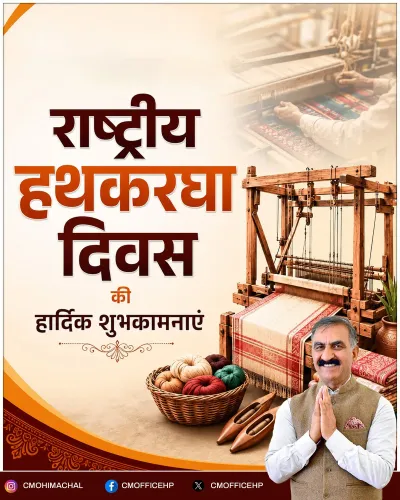
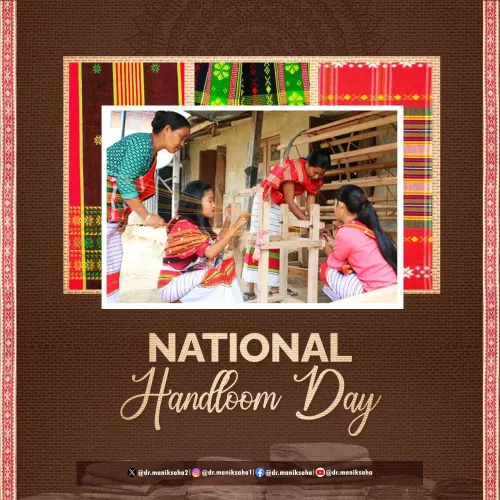
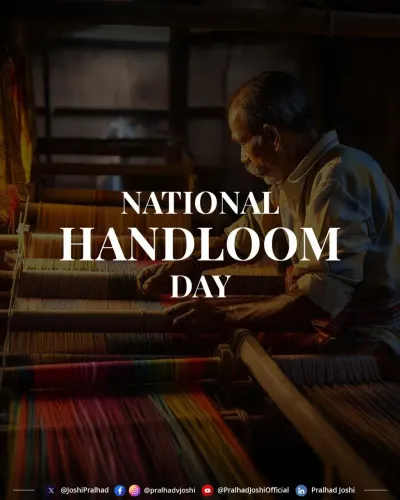
National Handloom Day was instituted in 2015 to honour weavers and promote India's textile heritage.
Indian policy has used GI protections and marketing schemes to push handlooms into premium domestic and export markets.
Global demand for sustainable, traceable fashion gives Indian handloom clusters a structural opportunity to compete with international luxury labels.
Key clusters including Varanasi, Pochampally, and Sualkuchi produce textiles whose craft complexity rivals high-end European atelier work.
India's handloom weavers have a vocal champion in Congress MP Dr. Shashi Tharoor, who on Wednesday, August 12, 2026, called for repositioning the country's handwoven textiles as 'hand-made haute couture' — a premium product that is nonetheless within reach of everyday buyers.
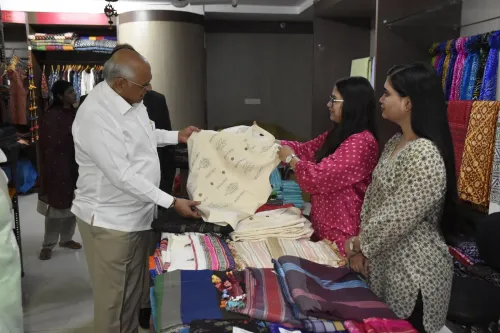
Responding to a post by @pjkc23, Tharoor wrote: 'Excellent piece. Handlooms need to be promoted and sold as hand-made haute couture. Affordable luxury!' The framing is deliberate and pointed — it challenges the long-standing perception of handloom as a niche, heritage-only product and instead pitches it squarely into the global conversation around sustainable, artisanal fashion.
From Welfare Scheme to Luxury Shelf
The idea is not entirely new to Indian policy. National Handloom Day, instituted in 2015 to honour weavers and celebrate India's textile heritage, marked an early government push to give the sector cultural prestige. Since then, Indian policy has layered on Geographical Indication protections and marketing initiatives to open premium domestic and export markets for fabrics like Banarasi silk, Kanjivaram, and Pochampally ikat.
What Tharoor's framing adds is a commercial sharpness: the word 'affordable' does the heavy lifting. It signals that the pitch is not to wealthy collectors alone, but to the aspirational middle-class consumer who buys into quality and story — the same consumer driving the global boom in slow fashion and ethical luxury.
Why the 'Haute Couture' Label Matters
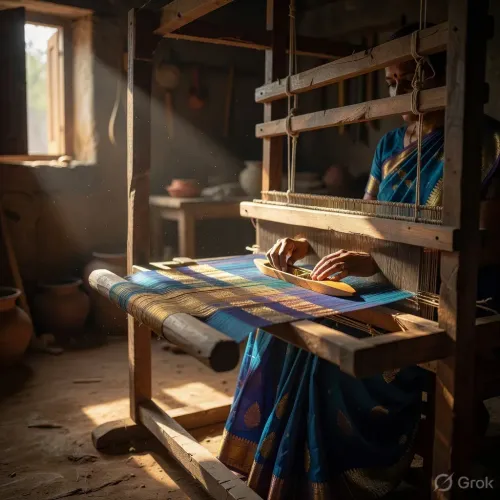
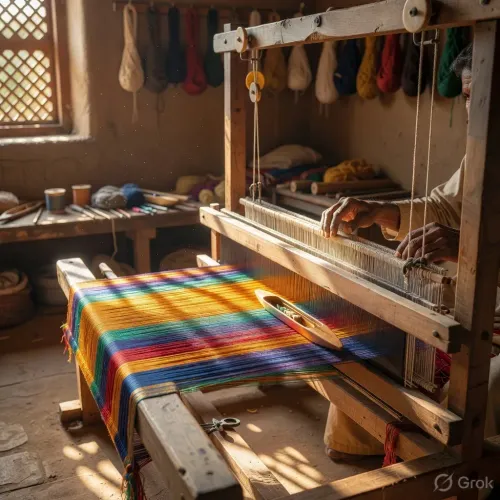
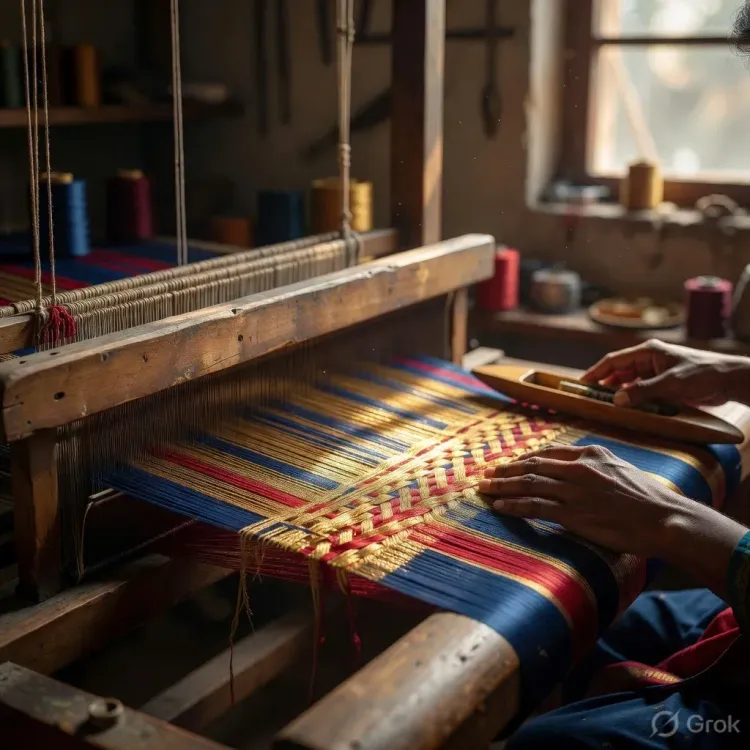
Positioning a handwoven saree or dhoti alongside European atelier work is a branding argument as much as a policy one. Indian handloom clusters — from Varanasi to Pochampally to Sualkuchi — produce textiles whose complexity of weave and hours of labour rival anything on a Paris runway. The missing ingredient has historically been marketing muscle and designer collaboration. Tharoor's call, echoing a broader industry conversation, is for that gap to close — through fashion weeks, export promotion, and direct weaver-to-designer linkages.
With global appetite for sustainable, traceable fashion growing, Indian handlooms carry a natural story: zero-carbon production, centuries of craft knowledge, and a direct livelihood link to millions of rural artisan families. That story, told right, is a luxury brand waiting to be built.
Point of View
He raises the bar: the ask is no longer just subsidies for weavers, but designer collaborations, fashion-week visibility, and serious export infrastructure. If the framing catches on in policy circles, it could shift budget priorities from relief to market-making — a meaningful structural shift for millions of artisan families.
NationPress
26 Sept 2026
Frequently Asked Questions
What did Shashi Tharoor say about handlooms?
Tharoor called for Indian handlooms to be promoted and sold as 'hand-made haute couture,' describing them as 'affordable luxury' to elevate their market positioning.
What is National Handloom Day in India?
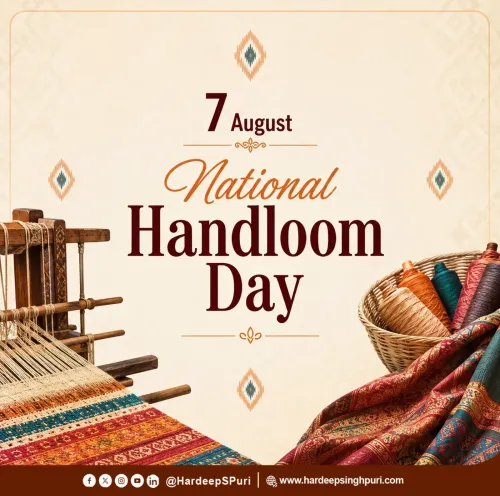
National Handloom Day is observed on August 7 each year. It was instituted in 2015 to honour weavers and promote India's handloom sector as part of its cultural and economic heritage.
Why is the 'affordable luxury' label important for Indian handlooms?
It repositions handwoven textiles from a heritage-welfare product to a premium, aspirational one — making the case for designer collaborations, export promotion, and higher price realisation for weavers.
Which Indian handloom clusters are globally recognised?
Major clusters include Varanasi (Banarasi silk), Pochampally (ikat), Kanchipuram (silk sarees), and Sualkuchi (Assam silk), many of which carry Geographical Indication protection.
How does sustainable fashion connect to Indian handlooms?
Handloom production is largely manual and low-carbon, with traceable artisan origins — qualities that align directly with global consumer demand for ethical and sustainable luxury fashion.