CM Manik Saha honours weavers on National Handloom Day
Synopsis
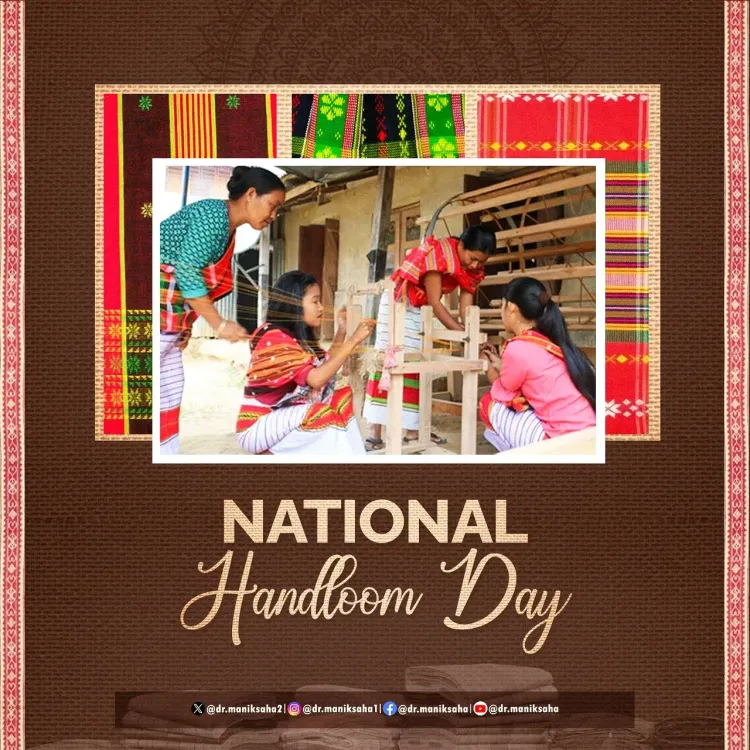
On National Handloom Day, 7 August, Tripura Chief Minister Dr. Manik Saha honoured the state's weavers and artisans, linking Tripura's rich handloom heritage to the Vocal for Local and Aatmanirbhar Bharat initiatives and calling for stronger support of indigenous handloom products.
Key Takeaways
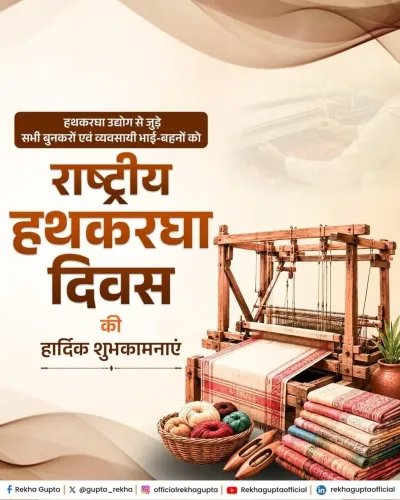
National Handloom Day is observed on 7 August every year, instituted in 2015 to mark the Swadeshi Movement centenary.
Manik Saha extended greetings to weavers and artisans, calling their work a reflection of cultural identity.
He invoked the Vocal for Local and Aatmanirbhar Bharat frameworks — both launched in 2020 — to urge support for indigenous handloom products.
Tripura's handloom sector spans tribal and non-tribal communities and has been part of central development programmes since the early 2000s.
India's handloom industry is one of the largest cottage industries globally, making the sector's health a livelihood issue for millions of rural artisans.
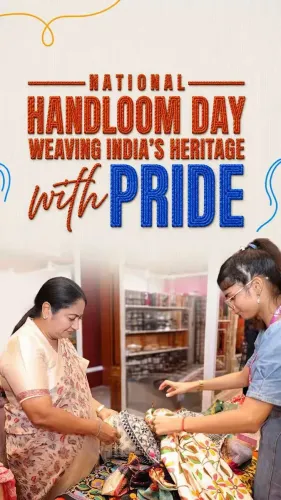
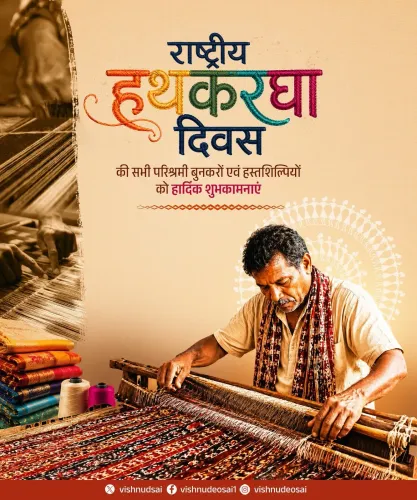
Every thread tells a story — and on National Handloom Day, 7 August, Tripura Chief Minister Dr. Manik Saha called on the nation to stand behind the weavers and artisans who keep that story alive.
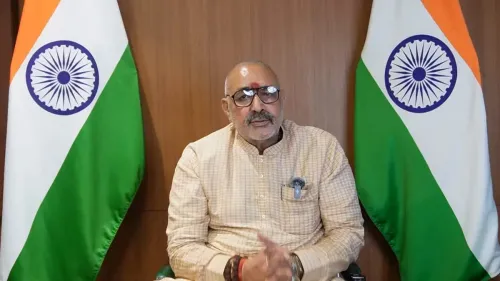
In a post on X, Dr. Saha extended 'heartfelt greetings to all our skilled weavers and artisans whose dedication, creativity, and craftsmanship keep India's rich handloom heritage alive.' He spotlighted Tripura's weaving traditions as a 'proud reflection of our cultural identity' and urged citizens to embrace the Vocal for Local (buy local) ethos and champion indigenous handloom products in service of a stronger Aatmanirbhar Bharat.
A day rooted in the Swadeshi centenary
National Handloom Day was instituted in 2015 to mark the centenary of the Swadeshi Movement — the early-twentieth-century campaign that made homespun cloth a symbol of national self-determination. The date, 7 August, anchors the modern handloom push to that older act of economic defiance, giving what might otherwise be a routine observance a longer historical spine. The policy architecture behind the day has grown steadily. The Aatmanirbhar Bharat package announced in 2020 included targeted support for artisans and handloom clusters, and the Vocal for Local slogan — also launched in 2020 — became shorthand for a post-pandemic pivot toward domestic supply chains in textiles and beyond.Why Tripura's looms matter to this story
Tripura sits in a northeastern corridor that has featured in central handloom development programmes since the early 2000s. The state's weaving traditions — spanning tribal and non-tribal communities alike — represent both a livelihood system for rural artisans and a living archive of regional craft. When a Chief Minister frames local weaves as 'cultural identity,' the message carries weight beyond ceremony: it signals state-level political will to back national handloom policy with ground-level implementation. For the weavers themselves, that alignment between Agartala and New Delhi can translate into cluster development funding, market-linkage programmes, and a seat at national handloom expos — the kind of institutional support that determines whether a craft tradition survives the next generation or quietly disappears. India's handloom sector remains one of the largest cottage industries in the world, employing millions — a fact that gives every National Handloom Day message a livelihood dimension far beyond cultural pride. The loom, in that sense, is never just a loom.Point of View
Where handloom is simultaneously a livelihood system and an ethnic-cultural marker, the framing is strategically layered. It positions the BJP administration as a custodian of tribal and artisanal heritage ahead of any future state budget or scheme announcement. The broader pattern — state CMs amplifying national handloom policy on designated days — reflects a coordinated messaging architecture that keeps the Centre's economic nationalism visible at the constituency level year-round.
NationPress
21 Sept 2026
Frequently Asked Questions
When is National Handloom Day celebrated in India?
National Handloom Day is celebrated every year on 7 August . It was instituted in 2015 to commemorate the centenary of the Swadeshi Movement and to honour India's weaving community.
What did Tripura CM Manik Saha say on National Handloom Day 2026?
Dr. Manik Saha extended greetings to weavers and artisans, described Tripura's handloom tradition as a 'proud reflection of cultural identity,' and urged citizens to embrace Vocal for Local and support indigenous handloom products to build an Aatmanirbhar Bharat.
What is Vocal for Local and how does it relate to handlooms?
Vocal for Local is a government initiative launched in 2020 encouraging Indians to buy domestically produced goods. In the handloom context, it promotes the purchase of indigenous weaves over imported or machine-made alternatives, supporting rural artisan livelihoods.
What is Aatmanirbhar Bharat and what does it mean for weavers?
Aatmanirbhar Bharat is a self-reliance campaign announced in 2020 that includes support packages for artisans and handloom clusters, aiming to strengthen domestic production and reduce dependence on imports in the textile sector.
Why is Tripura's handloom sector significant?
Tripura's handloom traditions span both tribal and non-tribal communities and represent a major rural livelihood system. The state has been included in central handloom development programmes since the early 2000s, making its weaving sector both culturally and economically important.