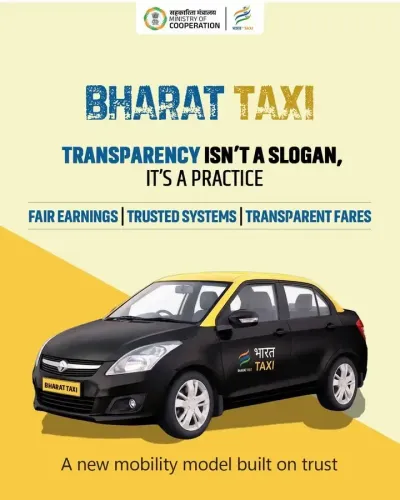
Bharat Taxi crosses 35 lakh users, 6 lakh drivers on zero-commission model
Synopsis
Bharat Taxi, launched just months ago under the cooperative model championed by Amit Shah, has already signed up 35 lakh users and six lakh drivers — and claims to be the world's largest mobility cooperative. With fares at roughly half the market rate and drivers pocketing 100% of earnings, it is mounting a direct challenge to India's gig-economy aggregator giants.
Key Takeaways
Bharat Taxi has crossed 35 lakh users and six lakh drivers across India since its launch on 5 February .
The zero-commission model routes 100% of ride earnings directly to drivers, reportedly raising their monthly income by 25–30% .
Passengers pay nearly 15% less on average; drivers cite fares of ₹17–18 per km versus ₹30 charged by rivals.
More than one lakh drivers are based in Gujarat ; a Vadodara launch is the next planned expansion.
Over 10,000 drivers have been trained in digital literacy and soft skills; the SOS system is integrated with Gujarat Police .
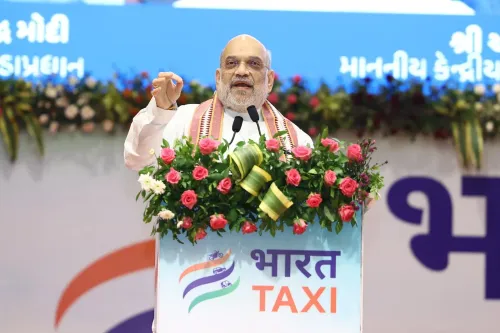
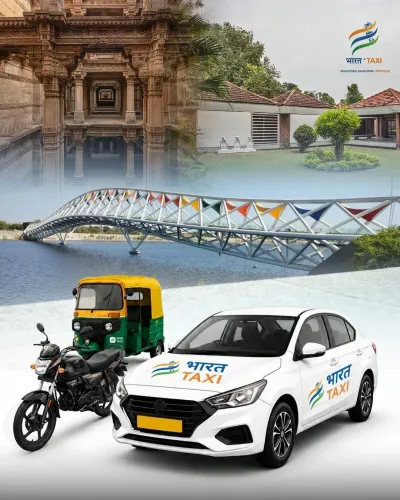
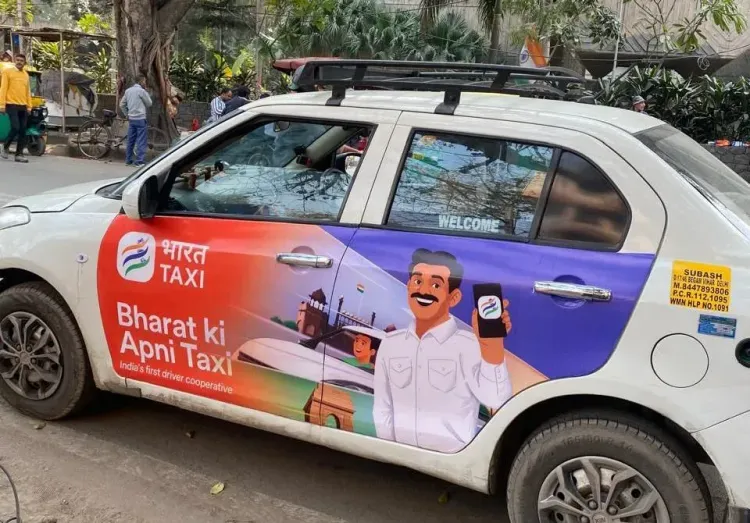
Bharat Taxi, a driver-owned mobility cooperative launched on 5 February by Union Home and Cooperation Minister Amit Shah, has expanded to more than 35 lakh users and over six lakh drivers across India, positioning itself as one of the country's largest cooperative-based transport platforms. The cooperative operates on a zero-commission model in which drivers are treated as stakeholders rather than gig workers.
How the Model Works
Under the cooperative structure, there are no intermediaries or corporate commission deductions. Drivers receive ride payments directly into their bank accounts, with 100 per cent of fare earnings reaching them without any cuts, according to the company. The platform was created to address long-standing grievances among drivers over heavy commission charges and volatile incomes under traditional aggregator systems.
According to the company, the model has delivered a 25 to 30 per cent increase in monthly income for affiliated drivers, while passengers are paying nearly 15 per cent less on average owing to stable and transparent pricing.
What Drivers and Leaders Are Saying
Bharat Taxi Chairman and Amul Managing Director Jayen Mehta described the initiative as an example of technology-driven cooperation. 'Bharat Taxi has turned the driver-owned model into a reality by ensuring that 100 per cent of ride earnings reach drivers directly without any deductions. Today, it has emerged as the world's largest mobility cooperative, increasing the self-respect of drivers while also setting a new global benchmark for the vision of 'Prosperity through Cooperation',' he said.
Driver Pravin Thakor said earlier aggregator models had become financially unsustainable. 'Working with other companies was no longer profitable. But after joining Bharat Taxi, we are getting better rates and responses. By associating with this model, any driver can earn well and secure the future of their family,' he said.
Another driver, Janak Barot, noted the fare differential: 'There is zero commission here and payments are made directly into our accounts; we feel like owners. Other companies charge Rs 30 per kilometre, whereas we are charging customers only Rs 17-18, which is beneficial for them as well. In the future, with the expansion of the organisation, we will also get the benefits of schemes like pension and insurance,' he said.
Gujarat at the Centre of Expansion
More than one lakh of the platform's drivers are based in Gujarat. After establishing operations in Ahmedabad and Surat, the cooperative is preparing to launch services in Vadodara as part of its next phase of growth. Ahmedabad Rickshaw Chalak Ekta Union President Ajay Kumar Gupta said drivers were drawn to the platform's cooperative structure and its simplified onboarding, which reportedly grants approval within 12 hours of document submission.
To deepen grassroots reach, Bharat Taxi is deploying a below-the-line (BTL) outreach strategy at high-footfall locations including IT parks, airports, and housing societies.
Safety, Technology, and Transit Integration
The platform has integrated its SOS system with Gujarat Police to provide emergency support for both passengers and drivers. It has also introduced dedicated route connectivity to pilgrimage destinations such as Somnath and Dwarka. More than 10,000 drivers have been trained in digital literacy, digital handling, and soft skills. Integrated transit partnerships with Metro services, GSRTC, and airport authorities are aimed at creating a more seamless public transport experience across the state.
With its cooperative model gaining traction and a Vadodara launch on the horizon, Bharat Taxi's next test will be whether it can sustain driver income gains and service quality as it scales beyond Gujarat into new markets.
Point of View
But the cooperative model's long-term viability hinges on a question the platform has not yet answered: can it sustain zero-commission operations at scale without cross-subsidies or external funding? Driver income gains of 25–30% are compelling, but they are self-reported figures from the company itself — independent verification is absent. The political parentage of the platform, launched by a senior Union minister and chaired by the Amul MD, also raises questions about whether it enjoys regulatory or financial tailwinds unavailable to private competitors. If it can prove the model works without such advantages, it would genuinely disrupt India's gig-economy transport sector.
NationPress
11 Oct 2026
Frequently Asked Questions
What is Bharat Taxi and how does it work?
Bharat Taxi is a driver-owned mobility cooperative launched on 5 February, operating on a zero-commission model where drivers receive 100% of ride earnings directly into their bank accounts. It was launched by Union Home and Cooperation Minister Amit Shah and is chaired by Amul Managing Director Jayen Mehta.
How many users and drivers does Bharat Taxi have?
According to the company, Bharat Taxi has expanded to more than 35 lakh users and over six lakh drivers across India, making it one of the largest cooperative-based transport platforms in the country.
How does Bharat Taxi benefit drivers compared to other platforms?
The platform's zero-commission structure means drivers keep all their earnings, with the company reporting a 25 to 30 per cent increase in monthly income for affiliated drivers. Drivers also cite a simplified onboarding process that grants approval within 12 hours of document submission.
Are fares on Bharat Taxi cheaper for passengers?
Yes, according to the company, passengers pay nearly 15% less on average. Drivers on the platform reportedly charge around ₹17–18 per kilometre, compared to approximately ₹30 per kilometre on rival aggregator platforms.
Where is Bharat Taxi currently operating and where is it expanding next?
The platform is active in Ahmedabad and Surat, with more than one lakh drivers based in Gujarat. A launch in Vadodara is the next planned phase of expansion, alongside dedicated route connectivity to pilgrimage destinations such as Somnath and Dwarka.