Bharat Taxi Gujarat launch: Drivers get profit share, CM Patel says
Synopsis
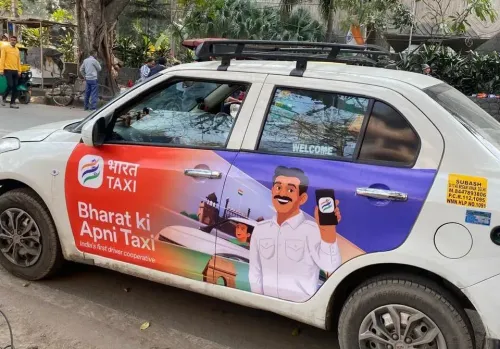
Bharat Taxi’s Gujarat rollout isn’t just another app launch — it’s a bet that the cooperative model can crack urban mobility. With seven lakh drivers already enrolled as profit-sharing ‘Sarathis’ and 37 lakh customers onboard, the platform backed by eight cooperative institutions is positioning itself as a structural alternative to gig-economy ride-hailing.
Key Takeaways
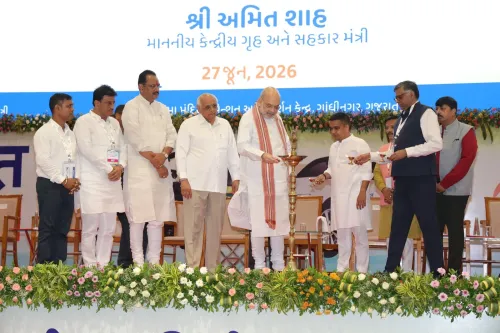
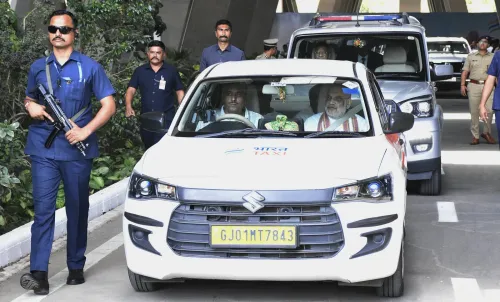
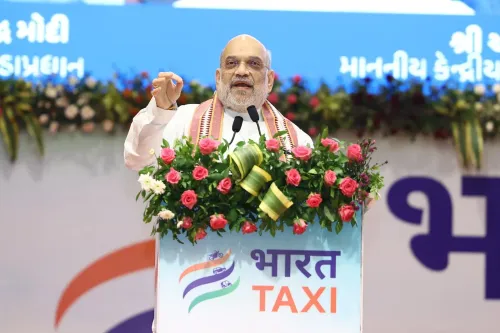
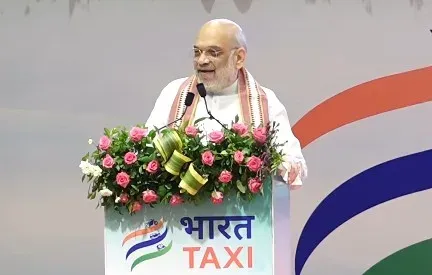
Bharat Taxi was launched in Gujarat on 27 June 2025 in the presence of Union Minister Amit Shah and CM Bhupendra Patel .
Drivers, now designated Sarathis , will hold ownership stakes and share in platform profits rather than receiving fixed wages.
The platform was founded by eight major cooperative institutions and is described as the world’s largest driver-owned cooperative structure.
Since its national launch in February 2025 , Bharat Taxi has enrolled seven lakh members and served more than 37 lakh customers .
The Sarathi Didi initiative will create employment for women drivers and aims to improve safety for women passengers.
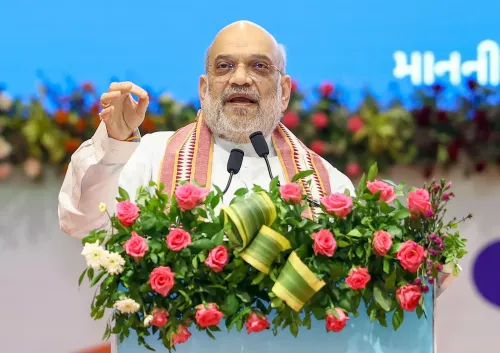
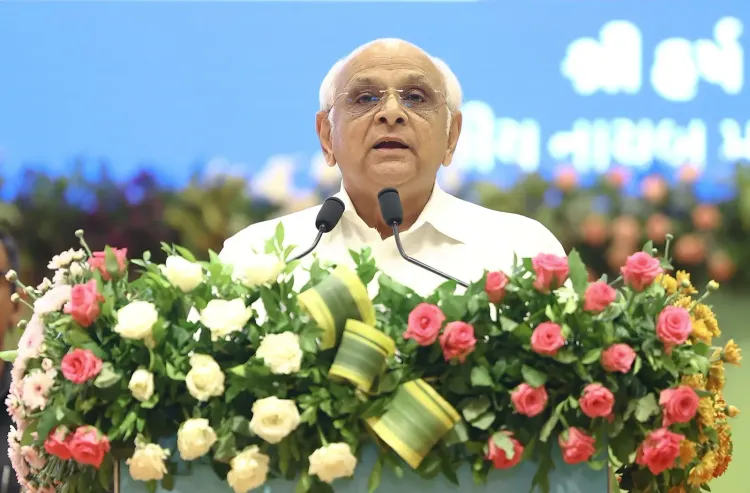
Gujarat Chief Minister Bhupendra Patel on Saturday, 27 June said that Bharat Taxi — launched in Gandhinagar in the presence of Union Home and Cooperation Minister Amit Shah — marks a structural shift in the ride-hailing sector by converting drivers from wage earners into profit-sharing stakeholders. The cooperative platform, he said, directly addresses what he described as a long-standing imbalance in how taxi companies distribute earnings.
What Bharat Taxi Changes for Drivers
Chief Minister Patel drew a sharp contrast between the conventional taxi model and the cooperative structure underpinning Bharat Taxi. “For years, taxi drivers continued to provide services, but they had no share in the profits of the companies, and had to sustain themselves on a fixed income through fixed salaries,” he said.
Under the new model, drivers will be designated Sarathis — a term Patel described as intended to become “a symbol of self-reliance, dignity and self-respect.” The platform was established by eight major cooperative institutions and is claimed to be “the world’s largest cooperative structure owned by drivers.”
Scale and Reach Since Launch
Since its national launch earlier in 2025, Bharat Taxi has reportedly enrolled seven lakh members, with more than 37 lakh customers having used the service. Patel described the model as one “in which the centre of development is not merely capital, but human beings.”
The cooperative sector, he noted, has traditionally been confined to agriculture, dairy, animal husbandry, and banking. Bharat Taxi represents its first significant foray into urban mobility.
Sarathi Didi: Opportunity for Women Drivers
Patel also announced the Sarathi Didi initiative, which is designed to create employment opportunities specifically for women drivers while simultaneously improving the safety of women passengers. No further operational details were disclosed at the event.
Political and Cooperative Context
Patel attributed the platform’s ideological foundation to Prime Minister Narendra Modi and Union Cooperation Minister Amit Shah, framing it as an extension of the cooperative movement into non-traditional sectors. Recalling Shah’s remarks at the national launch in February, Patel said: “He had very aptly said that cooperation means giving those who labour a share in the profits as well.”
Patel expressed confidence that Gujarat’s deep-rooted cooperative tradition — spanning dairy giants and banking federations — would give Bharat Taxi a competitive advantage in the state. “Cooperation is the very nature of Gujarat, and I am confident that Bharat Taxi will become the most successful in Gujarat, and the Sarathis here will earn the highest incomes in the country,” he said.
What Comes Next
The Gujarat launch positions Bharat Taxi for further state-level expansion, building on the national rollout earlier this year. The platform has pledged transparent fare standards for passengers alongside income protections for Sarathis. Whether the cooperative model can scale to challenge established ride-hailing platforms will depend on driver enrolment momentum and regulatory support in the months ahead.
Point of View
But the harder question is economic sustainability. Established ride-hailing platforms have burned billions to build driver networks and customer habits — a cooperative structure must compete on the same price-and-convenience battleground without that capital cushion. The seven-lakh membership figure is significant, but enrolment and active daily earnings are different metrics. If Sarathis do not demonstrably out-earn their Ola or Uber counterparts within a verifiable timeframe, the dignity-of-labour narrative will wear thin. The Sarathi Didi initiative is the most underreported element here: women’s participation in gig mobility has been structurally low, and if that programme delivers at scale, it would be a genuine policy achievement independent of the platform’s commercial outcome.
NationPress
25 Sept 2026
Frequently Asked Questions
What is Bharat Taxi and how is it different from regular ride-hailing apps?
Bharat Taxi is a cooperative ride-hailing platform founded by eight major cooperative institutions, in which drivers — called Sarathis — hold ownership stakes and share in the platform’s profits rather than earning fixed wages. Unlike conventional taxi companies, it is structured so that the people providing the service also benefit from the business’s growth.
How many drivers and customers has Bharat Taxi enrolled so far?
Since its national launch in February 2025, Bharat Taxi has enrolled seven lakh members and has been used by more than 37 lakh customers, according to Gujarat Chief Minister Bhupendra Patel.
What is the Sarathi Didi initiative announced at the Gujarat launch?
Sarathi Didi is an initiative announced by CM Patel at the Gujarat launch that aims to create employment opportunities specifically for women drivers on the Bharat Taxi platform while also improving safety for women passengers. Operational details are yet to be disclosed.
Who is behind Bharat Taxi and what is its political backing?
Bharat Taxi was established by eight major cooperative institutions and was nationally launched in February 2025. CM Patel credited the platform’s vision to Prime Minister Narendra Modi and Union Cooperation Minister Amit Shah, framing it as an extension of the cooperative movement into the urban mobility sector.
Why is the Gujarat launch of Bharat Taxi significant?
Gujarat has a historically strong cooperative tradition spanning dairy, banking, and agriculture. CM Patel said this foundation gives Bharat Taxi a structural advantage in the state, and expressed confidence that Gujarat’s Sarathis would earn the highest incomes on the platform nationwide.