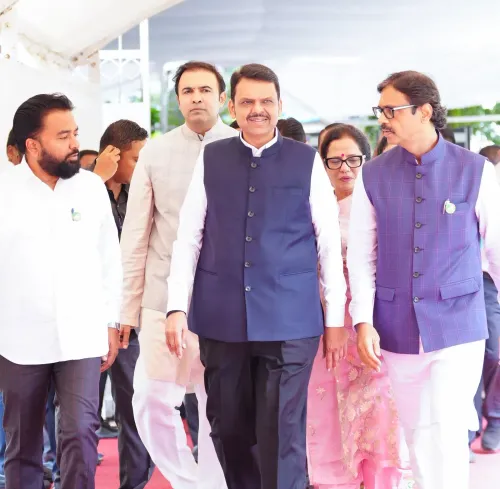
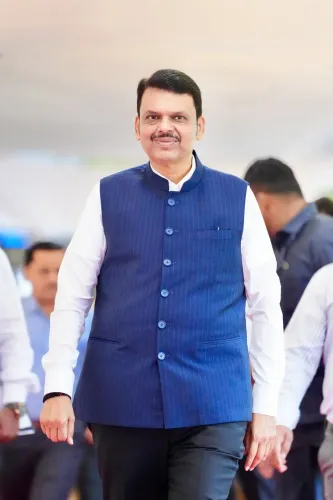
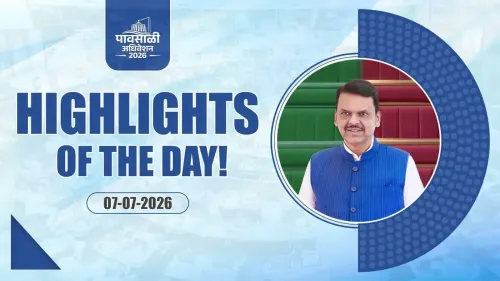
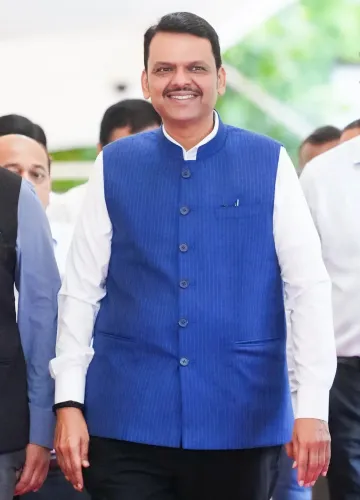
CM Office Maharashtra Highlights Monsoon Session 2026
Synopsis
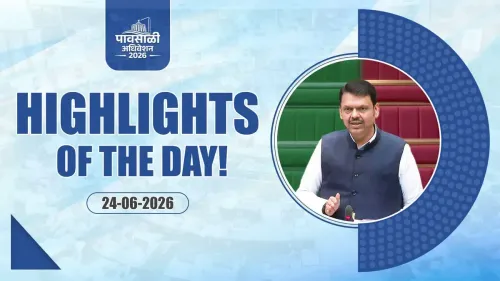
The Chief Minister's Office of Maharashtra on 11 July 2026 released a video on X summarising key highlights of the Monsoon Session 2026 of the state legislature, tagging CM Devendra Fadnavis and drawing attention to the session's legislative agenda.
Key Takeaways
The Chief Minister's Office of Maharashtra posted a video on 11 July 2026 highlighting key points of the Monsoon Session 2026 .
The post tagged Devendra Fadnavis (@Dev_Fadnavis), the senior BJP leader holding executive authority in Maharashtra.
The Monsoon Session is one of three annual sittings of the Maharashtra Legislature, typically held between June and September .
Maharashtra has conducted regular legislative sessions since 1960 , with Monsoon Sessions frequently addressing agriculture, irrigation, and disaster relief.
The state is governed by a BJP-Shiv Sena-NCP coalition since 2022, with the CMO's outreach reflecting the government's social media communication strategy.
The next key legislative event will be the Winter Session , expected in November-December 2026 .
The Chief Minister's Office of Maharashtra on Saturday, 11 July 2026 shared a video on X highlighting the key points of the Monsoon Session 2026 of the Maharashtra Legislature, tagging Chief Minister Devendra Fadnavis in the post.
The post, published at 10:46 AM IST, carried the caption 'पावसाळी अधिवेशन २०२६ मधील ठळक मुद्दे' — translated as 'Key highlights of the Monsoon Session 2026' — accompanied by a video summarising the session's proceedings. The hashtags #Maharashtra, #Mumbai, and #MonsoonSession2026 were used to amplify the communication.
Context
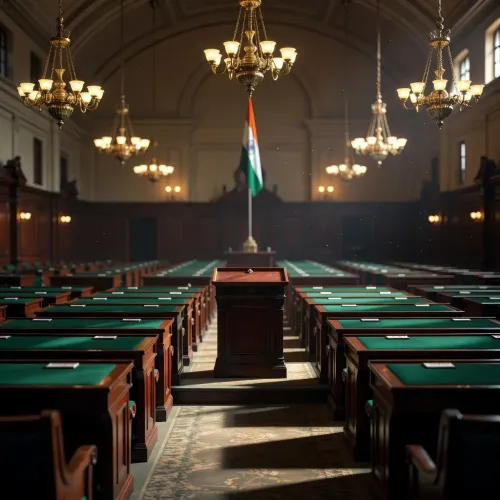
The Maharashtra Legislature's Monsoon Session is one of three annual sittings of the state assembly, typically convened between June and September. It is a critical window for the government to table legislation, respond to opposition queries, and address issues directly linked to the monsoon season — including agriculture, irrigation, and disaster relief.
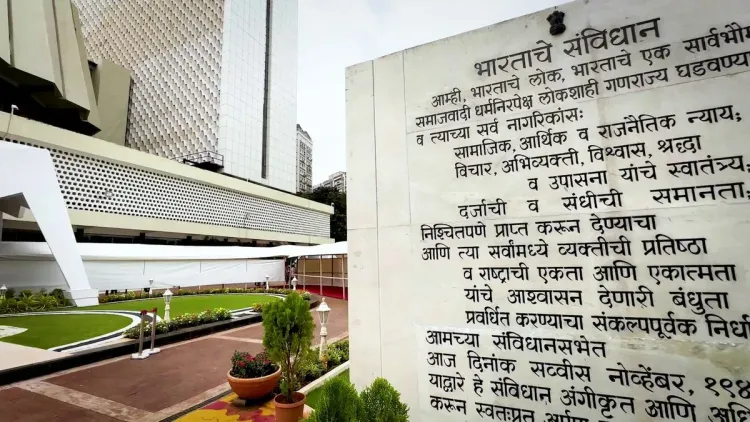
The session is held in Mumbai, the state capital, and draws participation from legislators across Maharashtra's 288 assembly constituencies. The CMO's decision to release a video summary signals an effort to communicate legislative outcomes directly to the public through social media.
Policy Backdrop
Maharashtra has conducted regular legislative sessions since the state's formation in 1960. The Monsoon Session has historically been used to pass supplementary demands and farm-related legislation, reflecting the agrarian concerns that peak during the June-September period.
Since 2022, the state has been governed by a BJP-Shiv Sena-NCP coalition. Devendra Fadnavis, a senior BJP leader who previously served as Chief Minister from 2014 to 2019, has held a prominent executive role in the current dispensation. The CMO's post tagging @Dev_Fadnavis underscores his central role in the legislative agenda being communicated.
Stakeholders and Impact
The primary stakeholders of the Monsoon Session's outcomes include Maharashtra's farmers, who look to the legislature for decisions on crop relief, irrigation funding, and agricultural policy. State legislators from both the ruling coalition and the opposition also have a direct stake in the session's proceedings.
The CMO's video-format communication is aimed at making legislative highlights accessible to a broader public audience beyond the formal gazette and assembly records. Such outreach is increasingly standard practice for state governments seeking to demonstrate accountability and transparency in governance.
What's Next
Following the conclusion of the Monsoon Session 2026, attention will turn to the implementation of any bills passed or resolutions adopted during the sitting. The Maharashtra government is expected to issue follow-up administrative orders based on legislative decisions.
The next major legislative milestone will be the Winter Session, typically scheduled for November-December, where the government's progress on Monsoon Session commitments is likely to face scrutiny from the opposition. Political observers will watch whether the session's highlights, as presented by the CMO, translate into on-ground policy action for farmers and other key constituencies.
Point of View
Bypassing traditional information intermediaries. Tagging Devendra Fadnavis directly reinforces his centrality to the ruling coalition's public identity ahead of any future electoral cycle. The move also signals that the BJP-led Maharashtra government is keen to demonstrate legislative productivity during a session period that typically amplifies farmer and rural concerns. How the highlighted measures translate into administrative action will be the real test of the session's political value.
NationPress
10 Oct 2026
Frequently Asked Questions
What is the Maharashtra Monsoon Session 2026?
The Maharashtra Monsoon Session 2026 is an annual sitting of the Maharashtra Legislature held between June and September, during which the state government tables legislation, responds to opposition questions, and addresses issues such as agriculture, irrigation, and disaster relief.
What did the CMO Maharashtra post on 11 July 2026?
The Chief Minister's Office of Maharashtra posted a video on X on 11 July 2026 highlighting the key points of the Monsoon Session 2026, tagging Chief Minister Devendra Fadnavis in the post.
Who is Devendra Fadnavis?
Devendra Fadnavis is a senior BJP leader who served as Chief Minister of Maharashtra from 2014 to 2019 and has held a prominent executive role in the BJP-Shiv Sena-NCP coalition government formed in 2022.
How often does the Maharashtra Legislature meet?
The Maharashtra Legislature convenes three times a year — for the Budget Session, the Monsoon Session (June-September), and the Winter Session (typically November-December).
What issues are typically addressed in the Maharashtra Monsoon Session?
The Monsoon Session typically addresses rainfall-linked concerns such as agricultural relief, irrigation funding, disaster management, and supplementary budget demands, reflecting the priorities of Maharashtra's large farming community.