White House Backs ICE Removal of Serious Criminal Offenders
Synopsis
The White House on 17 July 2026 publicly backed ICE removal operations, describing targets as 'the worst of the worst.' The post reinforces the administration's enforcement-first immigration stance, focusing on noncitizens with serious criminal records as the primary targets for detention and deportation.
Key Takeaways
The White House posted on X on 17 July 2026 endorsing ICE removal operations with the phrase 'Removing the worst of the worst.' ICE is the federal agency tasked with detaining and deporting noncitizens, with criminal convictions historically the top enforcement priority.
The Secure Communities programme, launched in 2008 , created the fingerprint-sharing infrastructure that underpins criminal-alien removal operations.
The Department of Homeland Security periodically issues enforcement-priority memos that define which noncitizens ICE agents target first.
Congressional funding debates over ICE detention capacity are ongoing and will shape the scale of future removal operations.
Indian diaspora communities in the United States closely track shifts in ICE enforcement posture given the size of the Indian-origin population there.
The White House, the official communications account of the Executive Office of the President of the United States, posted on X on 17 July 2026 in support of immigration enforcement action, describing the targets of removal operations as 'the worst of the worst' — a phrase that signals the administration's framing of deportation priorities around convicted criminal noncitizens.
Context
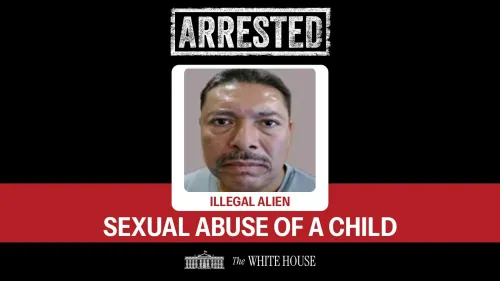
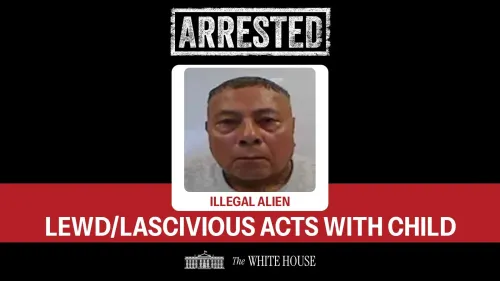
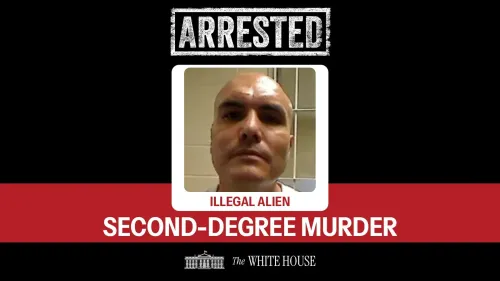
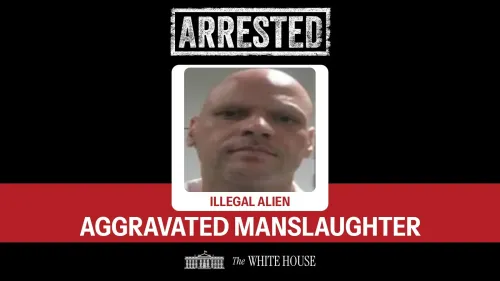
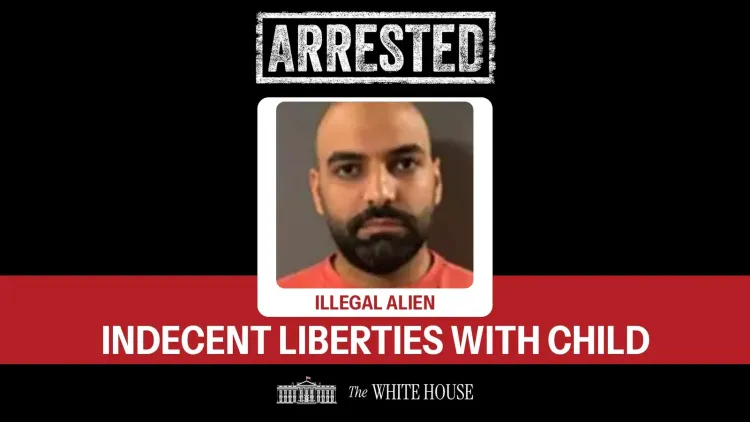
The post, a reply carrying the text 'Removing the worst of the worst,' was accompanied by an image and is consistent with the current administration's repeated public messaging around U.S. Immigration and Customs Enforcement (ICE) operations. The phrase 'worst of the worst' is a rhetorical formulation the administration has used to describe noncitizens with serious criminal convictions who are prioritised for detention and removal.
ICE is the federal agency responsible for identifying, detaining, and deporting noncitizens who are present in the United States in violation of immigration law, with particular focus on those carrying criminal records.
Policy Backdrop
U.S. immigration enforcement has, across successive administrations, maintained a tiered priority system for removals. Noncitizens convicted of aggravated felonies, gang-related offences, or identified as national-security threats have consistently sat at the top of enforcement priority lists.
The architecture for this approach was formalised in 2008 with the launch of the Secure Communities programme, which established fingerprint-sharing between local jails and federal immigration databases. The system enabled ICE to flag and initiate removal proceedings against individuals booked into local custody on criminal charges. Subsequent administrations have issued their own enforcement-priority memoranda, expanding or contracting the definition of who qualifies as a priority target.
The Department of Homeland Security (DHS), which oversees ICE, periodically issues updated guidance that shapes how field agents allocate detention resources. The current administration has signalled a broad interpretation of enforcement priorities, moving beyond the narrowest 'criminal alien' category used by some predecessors.
Stakeholders and Impact
The most direct stakeholders in enforcement operations of this kind are noncitizens with criminal convictions, their families, and the communities in which they reside. Advocacy organisations have long argued that the 'worst of the worst' framing obscures the range of offences — from violent felonies to minor infractions — that can trigger removal proceedings.
For India, which sends one of the largest populations of migrants and visa-holders to the United States, shifts in ICE enforcement posture carry practical significance. Indian nationals who have overstayed visas or accumulated criminal records in the U.S. have, in past enforcement cycles, been among those subject to removal orders, making White House immigration messaging closely watched by diaspora communities.
What's Next
Congressional debates over funding for ICE detention capacity are expected to continue through the current legislative session, with the administration likely to use high-profile enforcement actions to build political support for expanded appropriations. Any new enforcement-priority guidance issued by DHS will clarify the precise categories of individuals being targeted in the current operational phase. Civil-liberties groups and immigration attorneys are expected to challenge any broadening of removal criteria in federal courts.
The administration's sustained use of social media to amplify ICE operations suggests that immigration enforcement will remain a central political message heading into the next news cycle, with the 'criminal noncitizen' frame serving as the public justification for expanded detention and deportation activity.
Point of View
Combative phrasing — 'the worst of the worst' — is a deliberate rhetorical move that collapses complex legal categories into a morally unambiguous frame, making opposition politically costly. This mirrors a pattern seen across recent U.S. administrations of using high-profile enforcement messaging to pre-empt legislative criticism and build public support for detention funding. For observers in India, the post is a signal that the current administration views aggressive ICE operations as an electoral asset, not a liability. The sustained social-media amplification of removal actions suggests the administration intends to keep immigration enforcement at the centre of its political identity through the current term.
NationPress
15 Oct 2026
Frequently Asked Questions
What does 'worst of the worst' mean in the White House immigration post?
The phrase 'worst of the worst' refers to the administration's characterisation of noncitizens with serious criminal convictions — such as those guilty of aggravated felonies or gang-related offences — who are prioritised by ICE for detention and deportation.
What is ICE and what does it do?
ICE stands for U.S. Immigration and Customs Enforcement. It is the federal agency responsible for identifying, detaining, and removing noncitizens who are in the United States in violation of immigration law, with a particular focus on those with criminal records.
How does the US decide who gets deported first?
The Department of Homeland Security issues enforcement-priority memos that rank removable noncitizens by threat level. Those convicted of aggravated felonies, identified as gang members, or flagged as national-security risks are placed at the top of the removal queue.
What is the Secure Communities programme?
Secure Communities is a programme launched in 2008 that links local jail fingerprint databases to federal immigration records, allowing ICE to identify and begin removal proceedings against noncitizens booked on criminal charges.
Does White House immigration enforcement affect Indians in the US?
Yes. India sends one of the largest populations of migrants and visa-holders to the United States, and Indian nationals with criminal records or immigration violations have been subject to removal orders in past enforcement cycles, making any shift in ICE policy relevant to the Indian diaspora.