Rijiju Marks National Handloom Day 2026

Synopsis
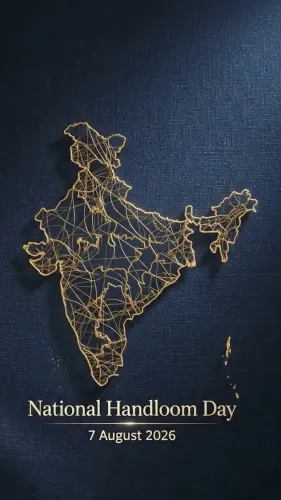
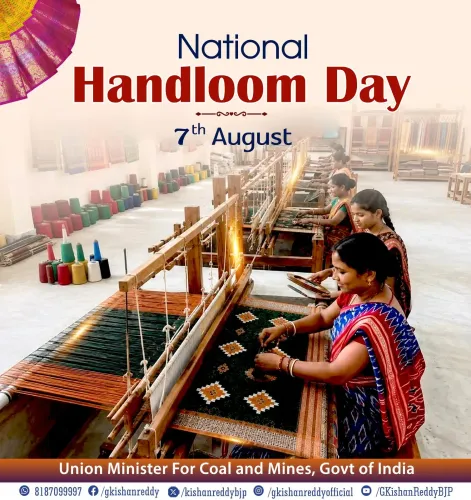
Union Minister Kiren Rijiju marked National Handloom Day 2026, observed on 7 August to honour the 1905 Swadeshi Movement and champion India's handloom weavers. The day, instituted in 2015, spotlights a sector that sustains millions of rural artisan households across the country.
Key Takeaways
National Handloom Day is observed on 7 August every year, chosen to mark the launch of the Swadeshi Movement in 1905 .
The observance was instituted in 2015 to promote handloom revival and weavers' welfare.
Union Minister Kiren Rijiju — representing Arunachal Pradesh , a state with rich indigenous weaving traditions — joined the national commemoration.
Handloom weaving is one of India's largest rural employment sectors after agriculture.
The day serves as both a cultural affirmation and a periodic policy signal toward the handloom and textile sector.
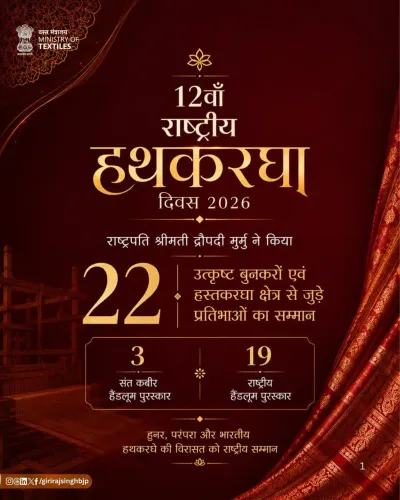
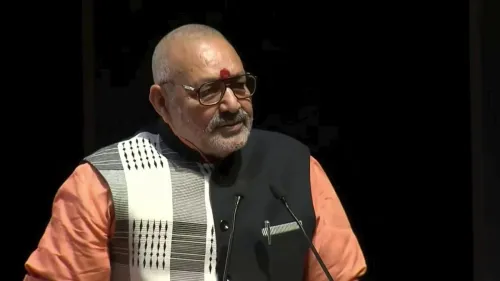
India's handloom heritage took centre stage on National Handloom Day as Union Parliamentary Affairs and Minority Affairs Minister Kiren Rijiju joined the national observance on 7 August 2026, posting his tribute to the country's weaving community.
A Day Rooted in the Swadeshi Spirit
National Handloom Day is observed every year on 7 August — a date chosen deliberately to honour the launch of the Swadeshi Movement in 1905, when Indians collectively turned to indigenous cloth as an act of political and cultural defiance. The observance was instituted in 2015 to give that legacy a modern anchor: championing the welfare of millions of handloom weavers and keeping traditional textile crafts alive in a fast-industrialising economy.Weavers at the Heart of Rural India
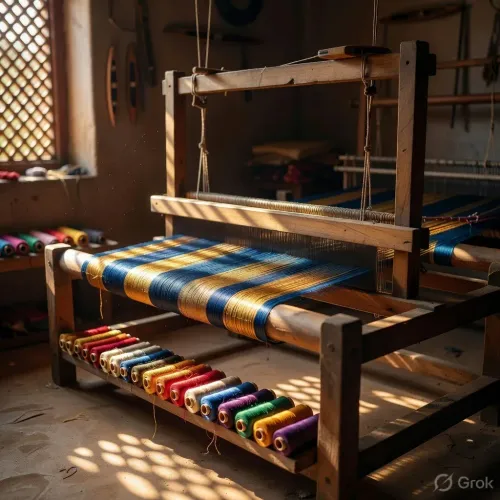
Behind the ceremonial hashtags lies a sector of real economic weight. Handloom weaving is one of India's largest rural employment generators after agriculture, sustaining artisan households across states from Assam to Andhra Pradesh, Varanasi to Manipur. Designated days like this serve a dual purpose — cultural affirmation and a policy signal that the sector remains on the government's radar, with periodic scheme rollouts and parliamentary attention during budget and monsoon sessions. For a minister who represents Arunachal Pradesh — a state rich in indigenous weaving traditions — the occasion carries particular resonance. The Northeast is home to some of India's most distinctive handloom traditions, from Adi and Nyishi weaves to the vibrant textiles of the Bodo and Mising communities. The thread connecting 1905 to today is unbroken — and on National Handloom Day, India pauses to remind itself of that.Point of View
Analysts note, lies in whether such observances translate into tangible scheme disbursals or parliamentary time for weavers' issues during the monsoon session. Symbolic recognition and structural support are not the same thing, and the sector's artisans are watching for the latter.
NationPress
22 Sept 2026
Frequently Asked Questions
When is National Handloom Day celebrated in India?
National Handloom Day is celebrated on 7 August every year to mark the anniversary of the Swadeshi Movement launched on that date in 1905 .
Why was National Handloom Day started?
It was instituted in 2015 to promote India's handloom sector, honour weavers' contributions, and revive interest in indigenous textile traditions rooted in the Swadeshi spirit.
What did Kiren Rijiju post on National Handloom Day 2026?
Union Minister Kiren Rijiju posted on X to mark National Handloom Day 2026 , joining the national observance honouring India's handloom weavers and textile heritage.
What is the connection between the Swadeshi Movement and handloom?
The Swadeshi Movement of 1905 called on Indians to reject British-made cloth and use indigenous handloom textiles, making handloom a powerful symbol of self-reliance and national identity.
Which states in India are known for handloom weaving?
Major handloom weaving states include Assam, Manipur, Andhra Pradesh, Uttar Pradesh (Varanasi) , and several Northeastern states, each with distinctive traditional weave styles.