Maharashtra Prepares for Potential El Nino: CM Fadnavis Urges Proactive Water Management
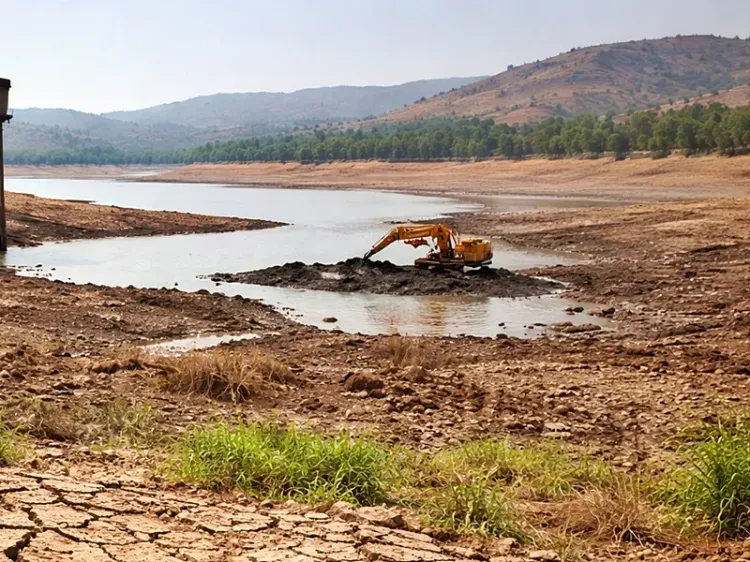
Synopsis
As Maharashtra braces for the potential impacts of El Nino, Chief Minister Devendra Fadnavis emphasizes the need for rigorous water management and soil conservation. The state aims to enhance its preparedness to tackle possible rainfall deficits and safeguard agricultural resources.
Key Takeaways
Maharashtra is preparing for the potential impacts of El Nino .
Chief Minister Devendra Fadnavis has emphasized proactive water management.
Focus on the Jalyukt Shivar and Galmukt Dharan-Galyukt Shivar initiatives.
Measures are in place to support farmers and livestock in drought-prone areas.
Monitoring fertilizer supply will be enhanced through the ‘AgriStack’ system.
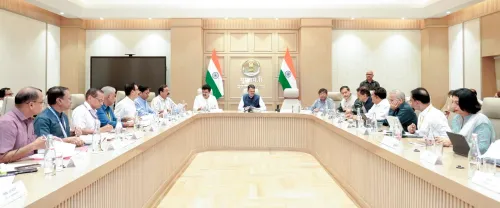
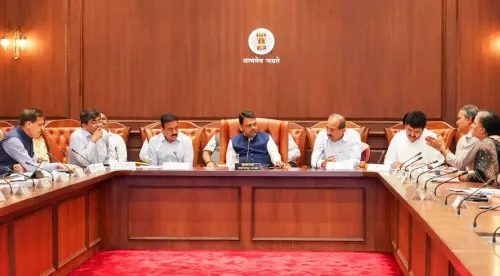
Mumbai, April 20 (NationPress) In light of the looming El Nino threat, Maharashtra's Chief Minister Devendra Fadnavis has mandated that all state departments prioritize disaster readiness through effective water management, enhanced soil conservation, and revitalization of existing water resources.
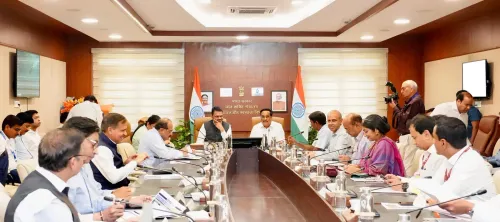
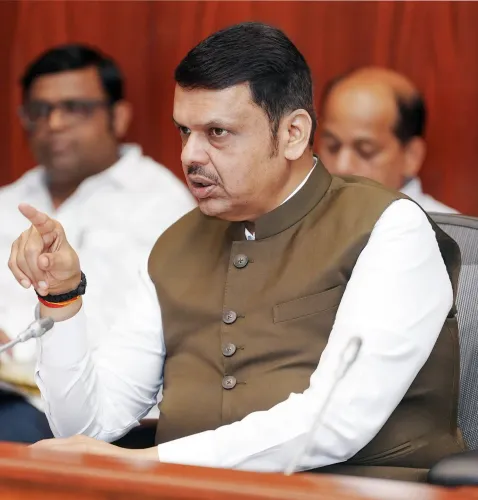
During a critical review meeting, Fadnavis stressed the importance of the state being “prepared for battle” to mitigate the effects of an anticipated rainfall shortfall.
He urged immediate action on the Jalyukt Shivar and Galmukt Dharan-Galyukt Shivar initiatives, which focus on maintaining silt-free dams.
The Chief Minister pointed out that repairing current water bodies is a cost-effective strategy to boost storage capacity. Each district is to establish a specialized task force, including the Collector, irrigation officials, and local representatives, to oversee water usage and storage efforts.
To avert a crisis among livestock, he called for the robust enforcement of the Fodder Development Programme, especially in backwater areas of dams and drought-stricken regions like Solapur, Sangli, and Marathwada.
Fadnavis noted that the supply and distribution of fertilizers will be closely monitored through the ‘AgriStack’ system, which leverages artificial intelligence to prevent artificial shortages and promote transparency.
The India Meteorological Department (IMD) predicts that the effects of El Nino will peak in August and September, potentially resulting in below-average rainfall.
While temperatures are expected to be slightly lower in May, the incidence of heatwaves is forecasted to increase. Experts have indicated that a “positive Indian Ocean Dipole” may mitigate some El Nino effects, as stated by a government release.
Fadnavis compared this year’s situation to previous years, stating: “In 2015, the state's water storage was at 45 percent after the monsoon; currently, we have reached that level even before the rains start. With disciplined planning and safeguarded irrigation, we can protect our crops during extended dry periods.”
Agriculture Minister Dattatray Bharne confirmed that the department is fully equipped for emergencies. He emphasized that strict directives have been issued to ensure the timely availability of DAP fertilizers and to prevent hoarding. The government is also advocating for the expansion of the farm pond initiative, ensuring that essential materials like plastic lining are accessible to farmers.
Bharne mentioned that regional officers have been tasked with maintaining a buffer stock of seeds in anticipation of the need for “double sowing” due to unpredictable early rains.
Fadnavis has instructed the Finance Department to promptly release the necessary funds for water conservation initiatives, ensuring that the state remains resilient in the face of expected climatic challenges.
Point of View
The state aims to mitigate the adverse effects of the expected El Nino phenomenon, showcasing a commitment to safeguarding agricultural resources and ensuring food security.
NationPress
19 Sept 2026
Frequently Asked Questions
How is Maharashtra preparing for El Nino?
Maharashtra is implementing rigorous water management strategies, enhancing soil conservation, and revitalizing old water resources to mitigate the impacts of potential rainfall deficits.
What programs are being emphasized in Maharashtra?
The Jalyukt Shivar and Galmukt Dharan-Galyukt Shivar schemes are being prioritized to improve water storage and management in the state.
What measures are being taken to support farmers?
The state is ensuring timely supply of fertilizers, expanding farm pond schemes, and maintaining a buffer stock of seeds to support farmers during unpredictable weather conditions.
Who is overseeing the water conservation efforts?
Each district will have a dedicated task force comprising the Collector, irrigation officials, and local body representatives to monitor water usage and storage.