Shivraj Singh Chouhan Ensures Farmers Are Prepared for El Nino
Synopsis
Agriculture Minister Shivraj Singh Chouhan emphasizes the government's commitment to farmers' welfare, ensuring readiness against potential El Nino impacts. The proactive measures include improving water management and utilizing advanced technologies to mitigate adverse weather effects.
Key Takeaways
Proactive Measures: The government is taking steps to ensure farmers' welfare amidst potential El Nino impacts.
Water Management: Enhanced water management strategies are crucial for effective irrigation.
Reservoir Levels: Current reservoir storage is above normal, aiding irrigation needs.
Technological Advancements: Advanced technologies are being utilized to improve farming efficiency.
Collaborative Efforts: Coordination between central and state governments is essential for effective implementation.
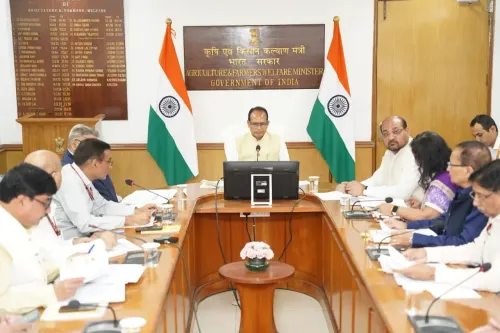
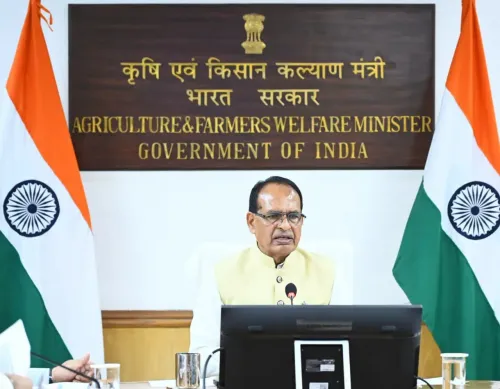
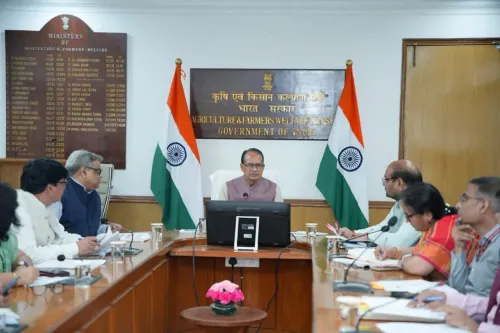
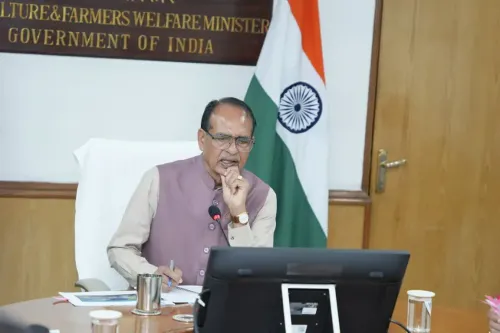
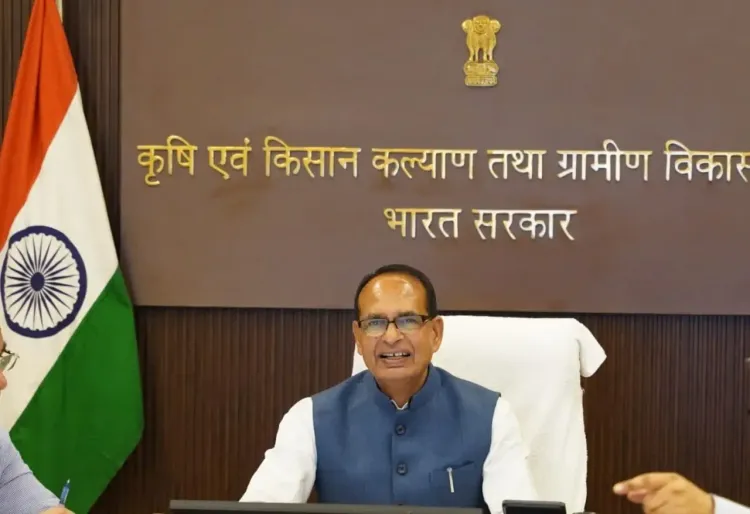
New Delhi, April 18 (NationPress) On Saturday, Agriculture Minister Shivraj Singh Chouhan instructed the Agriculture Secretary and relevant senior officials to ensure that all essential measures are taken proactively to protect the interests of farmers.
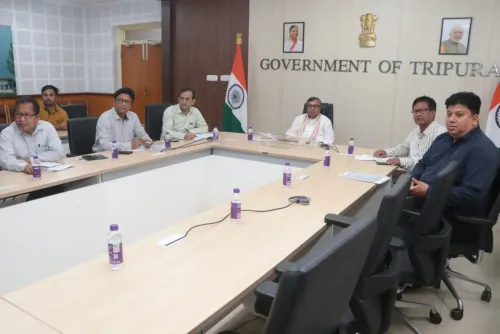
The meeting aimed at evaluating Kharif readiness, thoroughly examined weather predictions, water accessibility, crop health, seed arrangements, and state-level plans to tackle possible adverse weather situations.
In the review meeting, the minister highlighted the significance of farmers' welfare as a top priority and affirmed that the government is thoroughly equipped to manage the potential effects of El Nino.
The India Meteorological Department (IMD) has suggested a possibility of a below-average Southwest Monsoon in 2026, with seasonal rainfall projected to be around 92 percent of the long-term average (LPA) nationwide.
It was also noted that El Nino conditions could arise during the monsoon period, although a final and updated evaluation will be released in the last week of May 2026.
During the meeting, Chouhan reiterated that the Central Government is fully committed to addressing weather-related forecasts, assuring farmers that they need not worry.
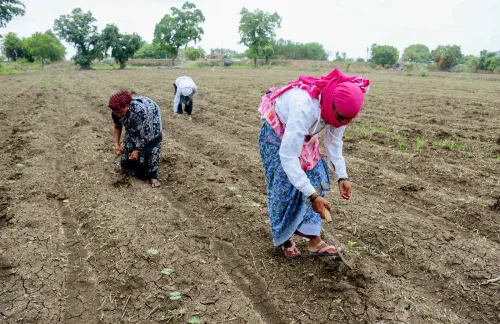
He mentioned that through collaborative efforts between the central and state governments, improved water management, cutting-edge technologies, expanded irrigation facilities, and climate-resilient agricultural initiatives, the challenges posed by potential adverse conditions can be effectively mitigated.
Currently, the water levels in the nation’s reservoirs are satisfactory, with overall storage exceeding normal levels.
Estimates indicate that reservoir storage is at 127.01 percent of the expected level for this time, which will be crucial in fulfilling irrigation requirements during the Kharif season and significantly lowering the risk of moisture shortage.
The meeting concluded that despite the anticipated El Nino effects, its impact on the agricultural sector is expected to be relatively minimal compared to past occurrences, especially due to enhanced water availability, micro-irrigation, scientific guidance, crop diversification, and timely interventions, which have made farming more efficient and adaptable than ever.
Point of View
Agriculture Minister Shivraj Singh Chouhan's proactive approach reflects a commitment to safeguarding farmers' interests. The government's focus on advanced agricultural strategies and collaborative efforts indicates a national-first perspective aimed at enhancing resilience in the agricultural sector.
NationPress
19 Sept 2026
Frequently Asked Questions
What is the government's strategy for El Nino?
The government is implementing proactive measures including improved water management, advanced technologies, and expanded irrigation to mitigate the impacts of El Nino on agriculture.
How is the water situation in India's reservoirs?
Currently, water levels in India's reservoirs are satisfactory, with storage at 127.01 percent of normal levels, ensuring adequate irrigation support for the Kharif season.
What are the expected rainfall levels for 2026?
The India Meteorological Department predicts a below-normal Southwest Monsoon in 2026, with rainfall anticipated to be about 92 percent of the long-term average.
How will farmers be supported during adverse weather conditions?
Farmers will receive support through coordinated efforts from the central and state governments, including scientific advisories, irrigation improvements, and climate-resilient farming practices.
Is the government concerned about the El Nino impact on agriculture?
While the government acknowledges potential challenges from El Nino, it believes that improvements in water availability and agricultural practices will minimize its adverse effects.