Nepal removes 1,594 political appointees in sweeping ordinance by PM Shah
Synopsis
Nepal's new RSP government under PM Balendra Shah has dismissed 1,594 political appointees in one ordinance — a move that empties universities, regulators, and state enterprises of their leadership simultaneously. Backed by a near two-thirds majority, Shah is rewriting Nepal's patronage-heavy administrative playbook at a pace that has both electrified supporters and alarmed critics.
Key Takeaways
Nepal President Ram Chandra Poudel issued an ordinance on 3 May 2026 removing 1,594 political appointees in a single move.
The ordinance mandates automatic termination of all appointments made before March 26 , regardless of tenure or benefits.
Institutions affected include universities , state-owned enterprises , regulatory bodies , research institutes , and media organisations .
The move follows the Rastriya Swatantra Party (RSP) 's near two-thirds majority win in March 5 elections and PM Balendra Shah 's appointment on March 26 .
Sharma Oli , Sher Bahadur Deuba , and Pushpa Kamal Dahal are reportedly under money laundering investigation.
The government's digital governance push has drawn public applause even as its riverbed evictions have sparked controversy.
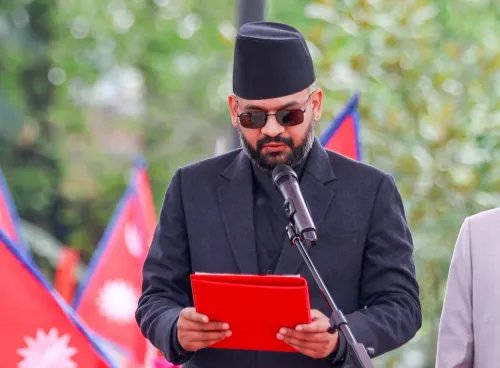
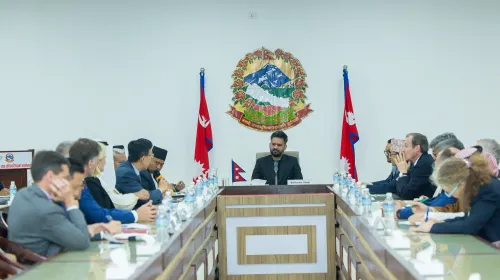
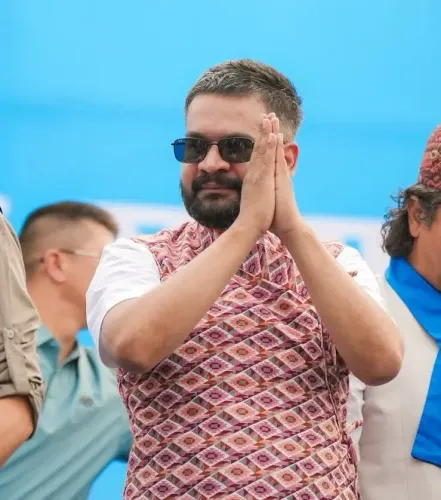
Nepal's President Ram Chandra Poudel on Saturday, 3 May 2026, issued a landmark ordinance terminating 1,594 political appointees in a single stroke, acting on the recommendation of the Cabinet led by Prime Minister Balendra Shah. The move, described as one of the most sweeping administrative overhauls in Nepal's recent history, has sent shockwaves across the country's bureaucratic and institutional landscape.
What the Ordinance Mandates
The "Ordinance on Special Provisions Relating to the Removal of Public Officials from Office, 2026" stipulates that all appointments made prior to March 26 are automatically terminated, irrespective of tenure, benefits, or terms of appointment. The ordinance states: "Notwithstanding anything contained elsewhere in prevailing laws, public officials appointed and currently holding office in public entities as per the schedule prior to March 26 shall be automatically removed from their respective positions upon the commencement of this ordinance."
Officials across universities, state-owned enterprises, regulatory bodies, councils, boards, research institutes, and media organisations have been dismissed, leaving numerous institutions without leadership. Critics have raised concerns over institutional functioning in the absence of prompt replacement appointments.
Political Context Behind the Move
The ordinance follows the March 5 elections that brought the Rastriya Swatantra Party (RSP) to power with a near two-thirds majority in Nepal's House of Representatives. Since Shah's appointment as Prime Minister on March 26, the new government has moved aggressively to reshape the country's administrative apparatus. President Poudel had earlier suspended a parliamentary session scheduled for April 30 on the government's recommendation, effectively clearing the path for ordinance-based governance.
Controversy and Criticism
The Shah government's actions have not been without controversy. The forceful removal of squatters from Kathmandu's riverbeds — involving the demolition of huts and structures — has drawn sharp criticism. While government supporters argue the action targeted those illegally occupying riverbed land, critics contend that evictions were carried out without adequate alternative arrangements, leaving women, children, and the elderly in precarious conditions.
Additionally, several influential businessmen have been arrested on money laundering charges. A separate ordinance amending the Money Laundering Act has been issued to facilitate easier prosecution of those in positions of power. Former Prime Ministers K.P. Sharma Oli, Sher Bahadur Deuba, and Pushpa Kamal Dahal are reportedly facing money laundering investigations under the new legal framework.
What Has Won Applause
Amid the controversy, the Shah government's push for digital governance and expedited public service delivery has reportedly drawn widespread public approval. Supporters argue these reforms signal a break from Nepal's entrenched political patronage system, which has long shaped public appointments. Whether the mass dismissal translates into a more merit-based administrative structure, however, remains to be seen.
What Comes Next
The immediate challenge for the government is filling the vacuum left by 1,594 simultaneous dismissals without triggering prolonged institutional paralysis. The pace and quality of replacement appointments will be a key test of the RSP government's administrative capacity and intent. Observers will be watching closely whether the ordinance marks a genuine systemic reset or risks being perceived as a politically motivated purge.
Point of View
594 officials in a single ordinance is politically audacious — but the real test is what comes next. Nepal's public institutions have long been staffed through patronage networks, and dismantling that system overnight creates a dangerous leadership vacuum. The RSP's near two-thirds mandate gives Shah the political capital to act, but governing capacity is a different matter. If replacement appointments are delayed or similarly politicised, this sweeping overhaul risks trading one patronage system for another, while leaving citizens without functional institutions in the interim.
NationPress
7 Oct 2026
Frequently Asked Questions
What is Nepal's ordinance removing 1,594 political appointees?
It is the 'Ordinance on Special Provisions Relating to the Removal of Public Officials from Office, 2026,' issued by President Ram Chandra Poudel on 3 May 2026 on the recommendation of PM Balendra Shah's Cabinet. It automatically terminates all political appointments made before March 26, across universities, state enterprises, regulatory bodies, and media organisations.
Who is PM Balendra Shah and how did he come to power?
Balendra Shah is the senior leader of the Rastriya Swatantra Party (RSP), which won a near two-thirds majority in Nepal's House of Representatives in the March 5 elections. He was appointed Prime Minister on March 26, 2026, and has since moved swiftly to restructure Nepal's administrative and legal landscape.
Why are former Nepal prime ministers under money laundering investigation?
A separate ordinance amending Nepal's Money Laundering Act has been issued by the Shah government, reportedly making it easier to prosecute those in positions of power. Former Prime Ministers K.P. Sharma Oli, Sher Bahadur Deuba, and Pushpa Kamal Dahal are among those reportedly facing investigations under the revised framework.
What concerns have critics raised about the mass dismissal?
Critics warn that dismissing 1,594 officials simultaneously leaves many institutions without leadership, risking prolonged administrative paralysis. The government's separate riverbed evictions have also been condemned for displacing families — including women, children, and the elderly — without adequate alternative arrangements.
What has the Shah government done that has been praised?
The government's push for digital governance and early completion of public service delivery by government agencies has reportedly drawn widespread public approval, seen as a departure from Nepal's historically slow and patronage-driven bureaucracy.