Nepal creates first-ever ministry for gender and sexual minorities
Synopsis
Nepal has done what no South Asian government has done before — put 'Gender and Sexual Minorities' into the name and legal mandate of a federal ministry. Under PM Balendra Shah's restructuring, the move is more than symbolic: it assigns bureaucratic ownership over a community that the 2021 census counted at just 2,928 people, a figure activists say is a significant undercount.
Key Takeaways
Nepal established the Ministry of Women, Children, Gender and Sexual Minorities and Social Security on 16 May 2026 — the first such ministry in South Asia .
The restructuring, led by PM Balendra Shah , reduced total federal ministries from 21 to 18 .
The Blue Diamond Society called it 'a historic and long-awaited milestone' and credited lawmaker Bhumika Shrestha for her advocacy.
Nepal legally recognised a 'third gender' category after a 2007 Supreme Court ruling; same-sex marriages are temporarily registrable under a June 2023 interim court order.
The 2021 census recorded 2,928 sexual and gender minorities — roughly 0.01% of the population — a figure activists say is a significant undercount due to limited identity categories.
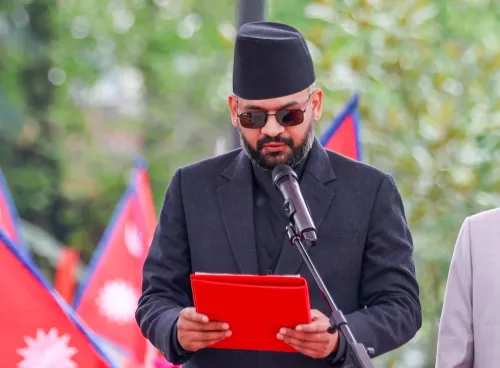
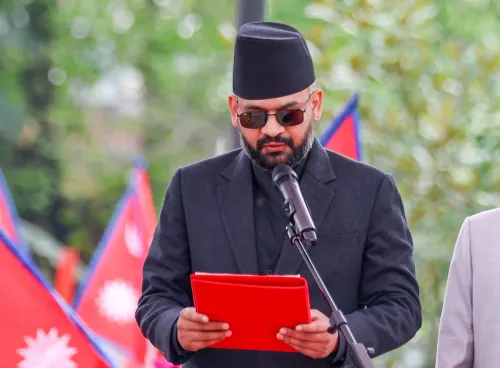
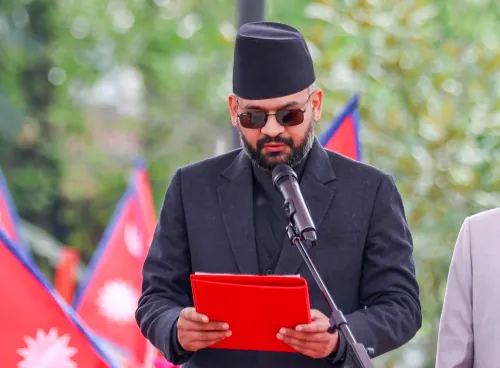
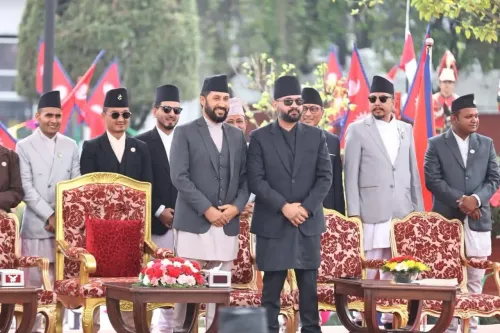
Nepal has become the first country in South Asia to establish a dedicated government ministry explicitly naming gender and sexual minorities in its mandate, as Prime Minister Balendra Shah's administration completed a sweeping restructuring of federal ministries on 16 May 2026. The move is being hailed as a landmark moment for the LGBTIQ community across the region.
The New Ministry and Its Mandate
Under the Government of Nepal (Allocation of Business) Regulations, 2026, published in the Nepal Gazette, the newly formed body is officially titled the Ministry of Women, Children, Gender and Sexual Minorities and Social Security. Its mandate covers the protection, upliftment, empowerment, and development of gender and sexual minority communities, alongside Dalits, highly marginalised minorities, and citizens from oppressed and backward regions.
The restructuring also reduced the total number of federal ministries from 21 to 18, based on recommendations by a committee led by Govinda Bahadur Karki, Secretary at the Office of the Prime Minister and Council of Ministers.
Community Response
The Blue Diamond Society, Nepal's leading LGBTIQ rights organisation, welcomed the decision with an official statement. 'This is a historic and long-awaited milestone for Nepal's gender and sexual minority communities. It reflects the government's recognition of the rights, dignity, and inclusion of gender and sexual minorities within the national governance framework,' the group said.
The organisation also credited lawmaker Bhumika Shrestha, who represents the sexual minority community, for her sustained advocacy in pushing for the ministry's name to formally include sexual minorities.
Nepal's Progressive Legal Framework
This development builds on a foundation of progressive legislation that sets Nepal apart in the region. Article 18 of Nepal's Constitution prohibits discrimination on multiple grounds, including sex, while Article 42 guarantees gender and sexual minorities the right to participate in state bodies on the principle of inclusion.
Nepal legally recognised a 'third gender' category following a landmark ruling by the Supreme Court of Nepal in 2007, with citizenship certificates and passports now issued under that category. In June 2023, the Supreme Court issued an interim order directing the government to temporarily register same-sex and non-traditional marriages while the final constitutional interpretation remains pending.
Scale and Undercounting Concerns
Nepal's 2021 national census recorded 2,928 sexual and gender minority individuals, representing approximately 0.01% of the total population. However, activists argue the figure is significantly underreported, as the census offered only a single broad 'others' category rather than specific identity options — a methodological gap that the new ministry may now be positioned to address.
With a dedicated ministry now in place, advocates are watching closely to see whether budget allocations, policy frameworks, and data collection will follow to give the mandate real institutional weight.
Point of View
Real policy authority, and the data infrastructure to count the people it serves. Nepal's 2021 census figure of 2,928 sexual and gender minorities is almost certainly a gross undercount, and a ministry that inherits flawed demographic data will struggle to design credible programmes. The move is symbolically significant and regionally path-breaking, but South Asia's rights watchers will be measuring it by what comes next: staffing, funding, and whether the pending Supreme Court ruling on same-sex marriage is eventually absorbed into law.
NationPress
22 Sept 2026
Frequently Asked Questions
What is Nepal's new Ministry of Gender and Sexual Minorities?
It is the Ministry of Women, Children, Gender and Sexual Minorities and Social Security, established under the Government of Nepal (Allocation of Business) Regulations, 2026. Its mandate covers the protection, empowerment, and development of gender and sexual minority communities, alongside Dalits and other marginalised groups.
Why is this ministry considered historic for South Asia?
No other South Asian government has previously named gender or sexual minorities explicitly in a federal ministry's title and legal mandate. Nepal's move is seen as a regional first, building on the country's existing constitutional protections and third-gender recognition since 2007.
Who advocated for the ministry's formation?
Lawmaker Bhumika Shrestha, who represents the sexual minority community in Nepal's parliament, is credited with pushing for the ministry's name to formally include sexual minorities. The Blue Diamond Society also praised her efforts in its official statement.
What legal rights do LGBTIQ individuals already have in Nepal?
Nepal's Constitution prohibits discrimination on grounds including sex (Article 18) and guarantees gender and sexual minorities the right to participate in state bodies (Article 42). A 2007 Supreme Court ruling established legal recognition of a 'third gender', and a June 2023 interim court order allows temporary registration of same-sex and non-traditional marriages.
How many sexual and gender minorities are officially counted in Nepal?
Nepal's 2021 national census recorded 2,928 sexual and gender minority individuals, or roughly 0.01% of the population. Activists argue this is a significant undercount because the census offered only a broad 'others' category rather than specific identity options.