CM Chandrababu Naidu Wades Into Flooded Paddy Fields in Guntur
Synopsis
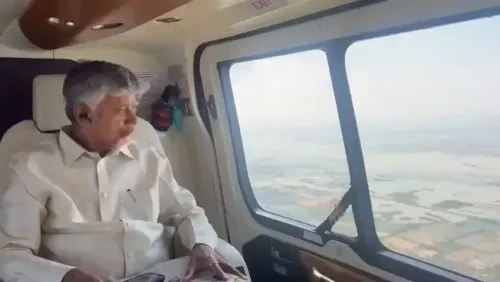
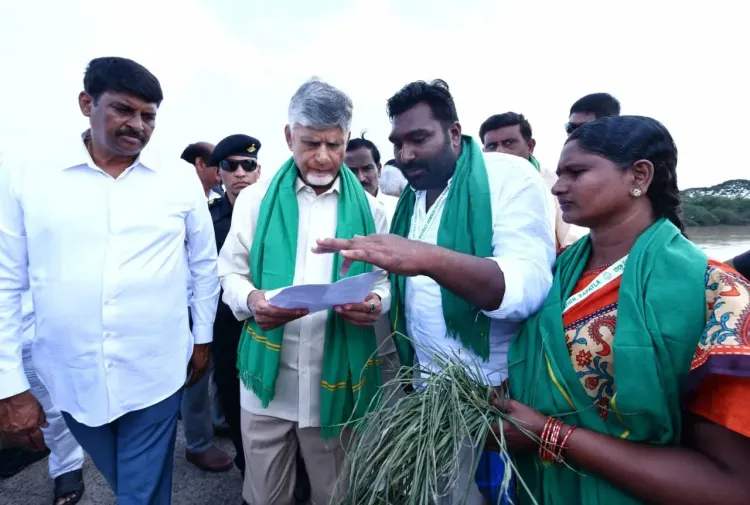
Chief Minister Nara Chandrababu Naidu toured flood-hit Bapatla and Guntur districts on 6 November 2026, assessing the Jillellamudi bridge and walking into submerged paddy fields in Prathipadu's Returu village alongside affected farmers before addressing the media.
Key Takeaways
CM Nara Chandrababu Naidu conducted an on-site flood inspection tour of Bapatla and Guntur districts on 6 November 2026 .
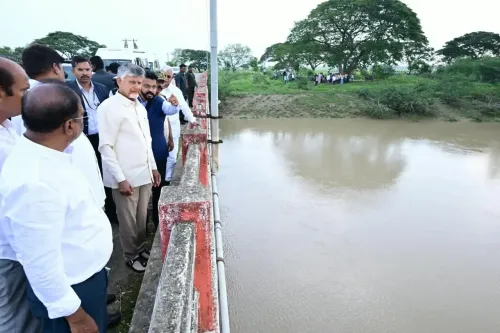
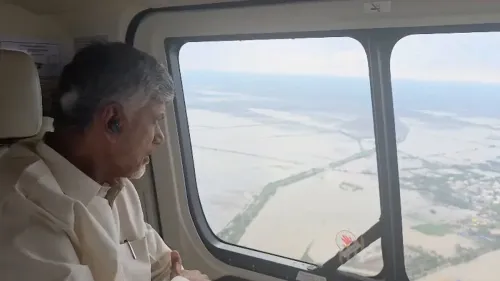
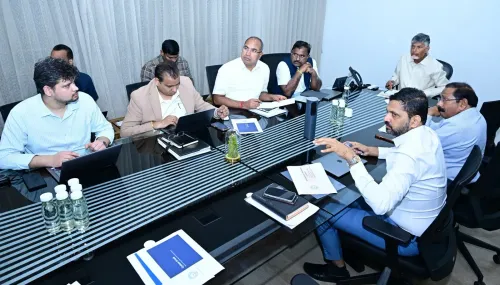
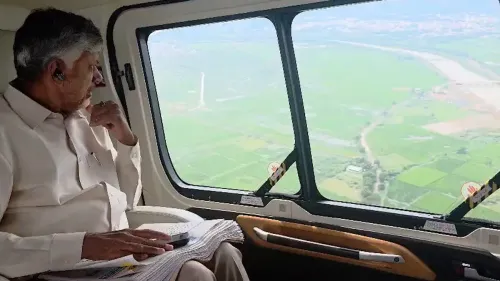
He assessed flood intensity at the Jillellamudi bridge in Bapatla mandal and spoke with local residents and public representatives.
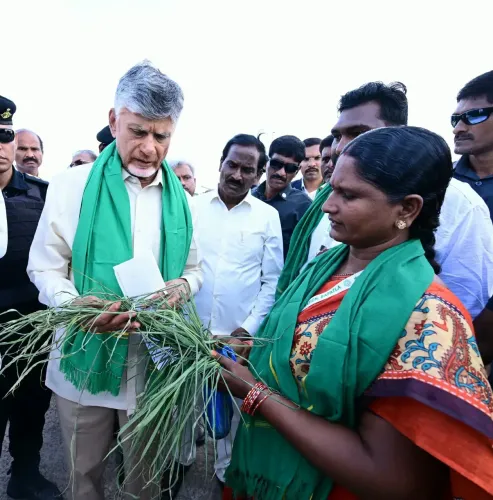
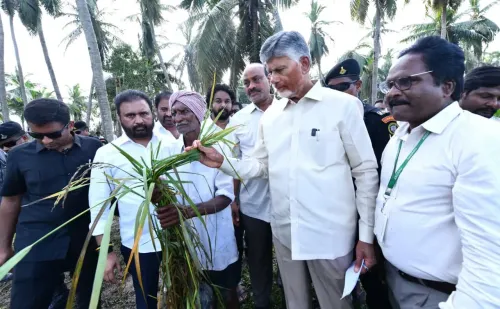
The CM walked with farmers into inundated paddy fields at Returu village in Prathipadu constituency, Guntur district .
The visit concluded with a media interaction by the Chief Minister.
Bapatla is one of Andhra Pradesh's most flood-prone coastal districts; paddy is the dominant kharif crop at risk.
Specific relief announcements from the media address were not detailed in the official post.
Knee-deep in a submerged paddy field in Returu village, Prathipadu constituency, Guntur district — that is where Andhra Pradesh Chief Minister Nara Chandrababu Naidu spent part of his Friday, 6 November 2026 tour, walking alongside farmers through waterlogged crops to assess flood damage firsthand. The Chief Minister's Office of Andhra Pradesh posted images and details of the visit to X, confirming inspections across both Bapatla and Guntur districts on the same day.
From the Jillellamudi Bridge to the Flooded Fields of Returu
The tour began at the Jillellamudi bridge in Bapatla mandal, where the Chief Minister assessed the intensity of flooding at first hand and held discussions with local residents and elected representatives. The bridge site offered a stark visual of the flood's reach across the coastal district, which sits in one of Andhra Pradesh's most monsoon-vulnerable zones.
Naidu then travelled to Returu village in the Prathipadu constituency of Guntur district — and did not stop at the field's edge. He walked with farmers directly into their inundated paddy fields, examining the scale of crop loss up close. That image — a Chief Minister in standing water among cultivators — was the defining frame the CMO chose to anchor its post.
Why Bapatla and Guntur Are on the Flood Watch List
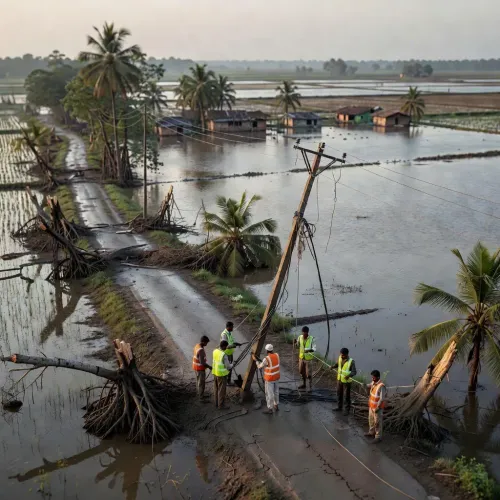
Bapatla district, carved out of old Guntur district, sits along Andhra Pradesh's coast and faces recurrent inundation during the Northeast Monsoon season, compounded by cyclone risk from the Bay of Bengal. Guntur district's interior constituencies like Prathipadu also suffer waterlogging when river systems and drainage channels overflow after sustained heavy rainfall.
Paddy is the dominant kharif (autumn harvest) crop across these districts, making season-end flooding particularly damaging. Standing water in paddy fields at harvest-approach can destroy an entire season's yield, translating directly into farmer debt and income loss.
Media Address and What Farmers Are Watching For
Following the field walk, Chief Minister Naidu held a media interaction — the standard final step in such inspection tours, where state governments typically outline relief measures, announce ex-gratia payments for crop loss, or promise infrastructure repair timelines. The CMO post did not detail specific announcements from that press conference.
For farmers in Prathipadu and residents near the Jillellamudi bridge, the central question now is concrete: what compensation arrives, and how fast. Inspection visits by chief ministers in Indian states carry weight only when followed by verifiable government orders on crop-loss relief and infrastructure repair — and that follow-through is what the affected communities will be tracking.
Naidu has conducted similar ground-level tours in previous terms, positioning direct administrative presence at disaster sites as a governance signature. The November 2026 tour continues that pattern — but the proof, as always, will be in the relief orders that follow.
Point of View
Not insulated from it. In Andhra Pradesh, where farmer welfare is an electoral fault line, the optics of the field walk carry weight beyond the inspection itself. The tour also underscores the persistent infrastructure vulnerability of coastal districts even after years of cyclone-preparedness investment, raising questions about drainage and bridge resilience that go beyond any single monsoon season. The real governance test, however, is not the visit but what follows — whether crop-loss compensation and bridge repair orders materialise at the speed the images promise.
NationPress
6 Nov 2026
Frequently Asked Questions
Where did CM Chandrababu Naidu conduct his flood inspection on 6 November 2026?
He inspected flood-affected areas in both Bapatla and Guntur districts, starting at the Jillellamudi bridge in Bapatla mandal and then visiting Returu village in Prathipadu constituency, Guntur district.
What did Chandrababu Naidu do in the flooded paddy fields?
The Chief Minister walked directly into the submerged paddy fields alongside local farmers to assess the extent of crop damage caused by flooding.
Why is Bapatla district frequently flooded?
Bapatla is a coastal district in Andhra Pradesh that is recurrently affected by heavy monsoon rainfall and cyclones originating from the Bay of Bengal, making it one of the state's most flood-vulnerable regions.
Did Chandrababu Naidu announce any flood relief after the inspection?
The Chief Minister held a media interaction after the field visit, but the official post from the CMO did not specify any relief amounts or policy announcements made at that press conference.
What crop is most at risk from the flooding in Guntur and Bapatla?
Paddy (rice) is the dominant kharif crop grown across Bapatla and Guntur districts, and standing water in fields close to harvest can destroy an entire season's yield.