Kishan Reddy Visits New BJP Goa State Office, Meets Damu Naik
Synopsis
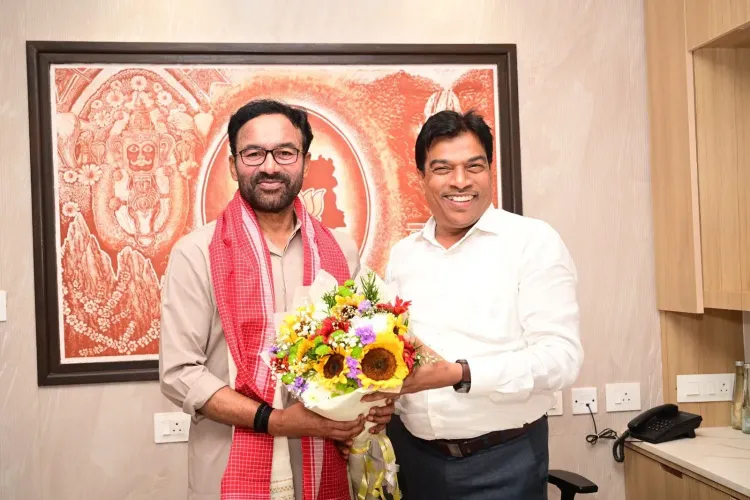
Union Coal and Mines Minister G. Kishan Reddy visited the newly established BJP Goa State Party Office on November 6, meeting State President Damu Naik and party workers, reaffirming the party's organisational bond between central and state units.
Key Takeaways
Kishan Reddy visited the newly established BJP Goa State Party Office on November 6, 2026 .
He met Damu Naik , the BJP Goa State President , and other party colleagues during the visit.
Reddy described the interaction as a reaffirmation of 'shared commitment to the ideals and vision of the party.' Reddy holds a dual role as Union Minister of Coal and Mines and BJP Telangana state president .
The visit reflects the BJP's broader practice of central leaders engaging state units to maintain organisational cohesion.
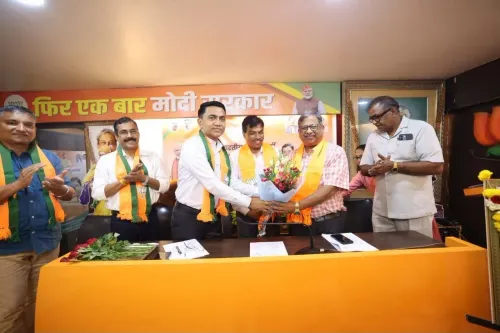
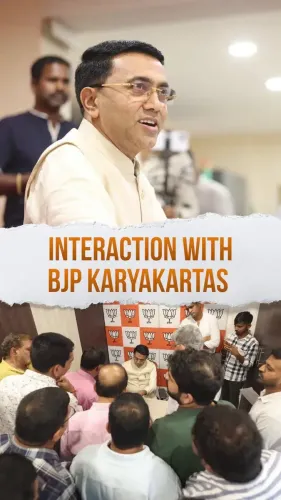
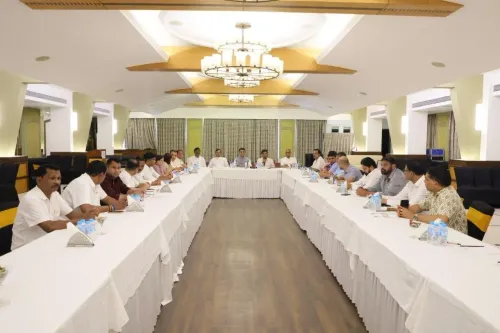
Union Coal and Mines Minister G. Kishan Reddy stopped by the newly established BJP Goa State Party Office on Friday, November 6, 2026, sitting down with Goa BJP State President Damu Naik and fellow party workers in what the minister described as a reaffirmation of shared purpose.
Reddy posted on X: 'Visited the newly established BJP State Party Office in Goa and met Shri Damu Naik ji, State President of BJP Goa, along with other party colleagues. It was a pleasure to interact with fellow karyakartas, exchange views and reaffirm our shared commitment to the ideals and vision of the party.'
A New Office, a Show of Organisational Strength
The opening of a new state-level party office is rarely just a ribbon-cutting. For the BJP, such spaces function as operational nerve centres — places where coordination between central leadership and state units gets done, worker networks are tended, and the party's ground machinery is kept warm between election cycles. A visit from a Union minister to a freshly set up office signals that the central organisation is watching, invested, and present.
Damu Naik, who leads the BJP Goa unit, hosted the minister alongside a gathering of karyakartas (party workers) — the volunteer backbone that the BJP has long credited as a structural advantage over rivals. Reddy, who also serves as BJP Telangana state president, brings both a Cabinet-level profile and a party-organisation lens to such interactions.
Reddy's Dual Role: Cabinet Minister and Party Organiser
G. Kishan Reddy wears two hats simultaneously — leading the Union Ministry of Coal and Mines in New Delhi while holding the state-unit presidency in Telangana. That combination makes his visits to other state units more than a courtesy call; they carry an implicit message about inter-state solidarity and organisational standards within the party's national network.
Visits by central leaders to state BJP offices are a recurring feature of the party's organisational calendar. The pattern keeps distant units plugged into the broader national narrative and gives state leaders direct access to central figures — the kind of contact that often shapes how resources and attention flow during campaign seasons.
Point of View
Reddy occupies a rare organisational vantage point, making him a credible bridge between Delhi and regional units. The establishment of a new party office in Goa signals continued investment in party infrastructure in a small but politically competitive state. Such visits rarely happen in a vacuum and are worth watching as indicators of where the party is quietly building capacity.
NationPress
7 Nov 2026
Frequently Asked Questions
Why did G. Kishan Reddy visit Goa?
G. Kishan Reddy visited Goa to see the newly established BJP Goa State Party Office and meet State President Damu Naik and party workers, reaffirming the party's organisational ties.
What is G. Kishan Reddy's current role?
G. Kishan Reddy is India's Union Minister of Coal and Mines and also serves as the BJP Telangana State President.
What is the significance of the new BJP Goa State Party Office?
The new office serves as an operational hub for the BJP's Goa unit, strengthening the party's organisational infrastructure and worker coordination in the state.
Do BJP central leaders regularly visit state party offices?
Yes, visits by BJP central figures to state units are a regular part of the party's organisational calendar, aimed at maintaining cohesion and engagement among workers across states.