Kishan Reddy, Goa CM Sawant Meet on Sustainable Mining
Synopsis
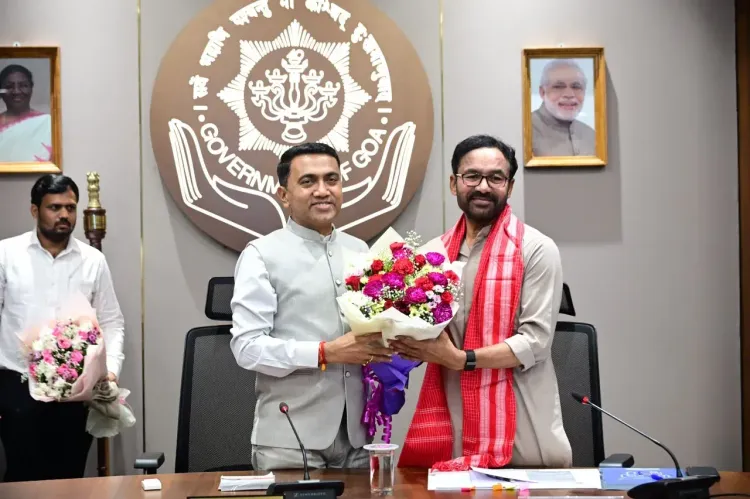
Union Mines Minister G. Kishan Reddy met Goa Chief Minister Pramod Sawant and state officials on November 6 to discuss sustainable mining practices and strengthen Centre-State coordination, revisiting a sector long marked by Supreme Court scrutiny and ecological tensions.
Key Takeaways
Union Mines Minister G.
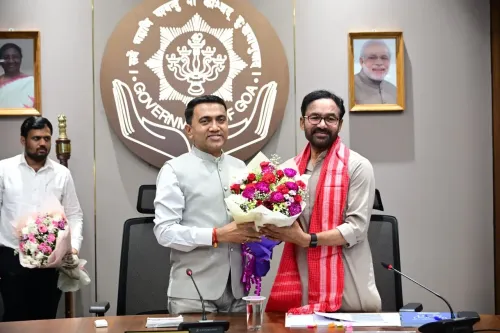
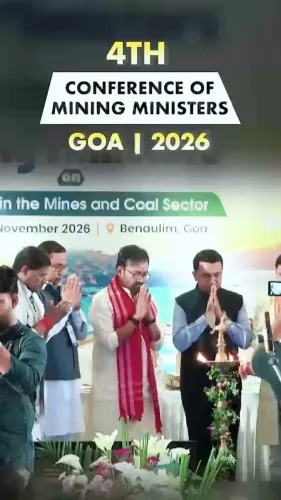
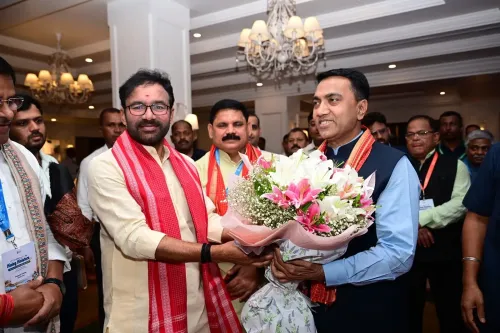
Kishan Reddy held a meeting with Goa CM Pramod Sawant and senior state officials on November 6, 2026 .
Discussions centred on Centre-State coordination and 'sustainable and responsible mining' aligned with the National Mineral Policy 2019 .
Goa's mining sector has operated under judicial scrutiny since the Supreme Court's 2012 suspension of iron ore mining due to illegal operations and environmental damage.
The Ministry of Mines and the Government of Goa must align on lease policy, royalties, and environmental norms under the MMDR Act .
Possible follow-up on revised mining plans or fresh environmental clearances for Goa leases is now on the radar.
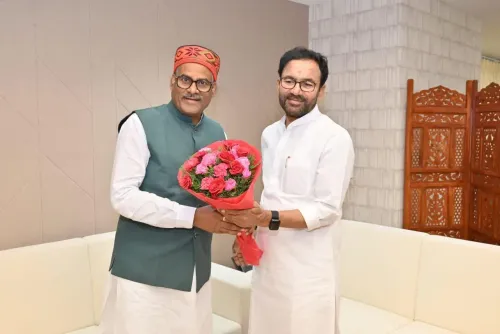
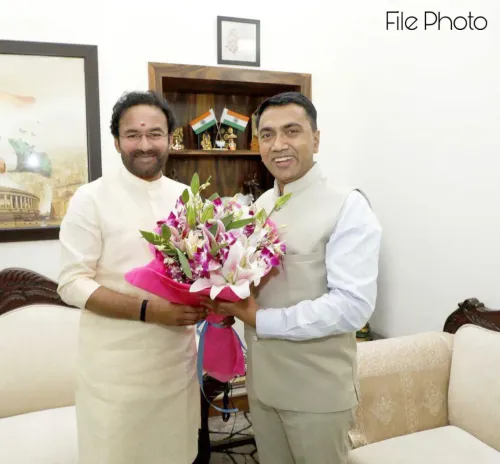
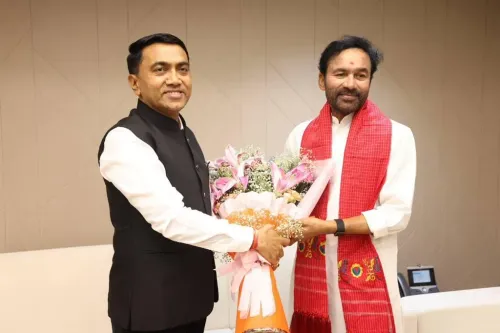
Union Coal and Mines Minister G. Kishan Reddy sat down with Goa Chief Minister Pramod Sawant on Friday, November 6, 2026 to map a shared path for one of India's most contested mining geographies — a state where iron ore wealth and ecological fragility have clashed for decades.
What brought Delhi and Panaji to the table
Reddy described the meeting as an 'engaging interaction' with Sawant and senior state officials, focused on 'key aspects of the mining sector in Goa,' with explicit emphasis on Centre-State coordination and 'sustainable and responsible mining to drive economic growth.' That phrasing is not incidental — it tracks almost word for word with the National Mineral Policy 2019, which made sustainable extraction and tighter federal-state alignment its twin pillars.
Central ministers hold such consultations to synchronise lease policies, royalty structures, and environmental norms under the Mines and Minerals (Development and Regulation) Act (MMDR Act). For Goa specifically, those conversations carry extra freight.
Goa's mining fault line — revenue versus ecology
The state's iron ore sector has never fully shaken off the shadow of 2012, when the Supreme Court suspended mining operations entirely, citing illegal extraction and environmental damage on a sweeping scale. A limited resumption followed, but Goa has since lived in a cycle of partial clearances, court oversight, and unresolved lease questions — making every Centre-State dialogue on mining genuinely consequential for communities, companies, and ecosystems alike.
Sawant, who has led the state since 2019, has repeatedly pushed for a faster resolution of stalled leases to unlock royalty revenue that funds state infrastructure. The Centre, through the Ministry of Mines, holds the statutory levers — lease extensions, environmental framework, and royalty revision — that determine how much and how fast that extraction can proceed.
Coordination, not confrontation
Friday's meeting signals that both sides are in an active consultation mode rather than a standoff. The joint framing around 'responsible mining' suggests the federal government is not simply rubber-stamping extraction demands, but is also pressing for compliance with environmental norms before clearances move forward. Watch for any follow-up announcements on revised mining plans or fresh environmental clearances tied to Goa's existing lease pipeline.
Goa's mining sector is small by national volume but outsized in political and ecological symbolism — and when the Union Mines Minister and the Chief Minister clear their calendars for it, the industry takes note.
Point of View
Where iron ore revenue is a fiscal lifeline and ecological court orders are a legal ceiling, the gap between those two realities can only close through exactly this kind of structured dialogue. Kishan Reddy's public framing of 'responsible mining' alongside 'economic growth' suggests the Centre is trying to hold both imperatives simultaneously — a politically necessary balance ahead of any lease or clearance decisions. The outcome to watch is not the meeting itself but whether it produces a concrete follow-up: a revised mining plan, a fresh environmental clearance, or a Centre-backed roadmap that Sawant can take to Goa's lease-dependent communities.
NationPress
7 Nov 2026
Frequently Asked Questions
Why did Union Mines Minister Kishan Reddy meet Goa CM Pramod Sawant?
The meeting on November 6, 2026 focused on strengthening Centre-State coordination in Goa's mining sector and exploring pathways for sustainable and responsible mining to support economic growth.
What is the current status of mining in Goa?
Goa's iron ore mining has operated under constraints since the Supreme Court suspended operations in 2012 due to illegal extraction and environmental damage. A limited resumption followed, but lease and clearance issues remain unresolved.
What law governs Centre-State mining coordination in India?
The Mines and Minerals (Development and Regulation) Act (MMDR Act) is the primary legislation, giving the Centre authority over mineral leases, royalty rates, and overall mining policy.
What is the National Mineral Policy 2019?
The National Mineral Policy 2019 is the federal framework that emphasises sustainable mining practices and stronger coordination between the central government and state administrations on mineral development.
Who is Pramod Sawant and what is his role in Goa's mining sector?
Pramod Sawant has been Chief Minister of Goa since 2019 and has advocated for resolving stalled mining leases to restore royalty revenues that fund state development projects.