Assam CM Office Vows Stricter Drug Crackdown
Synopsis
The Chief Minister's Office of Assam declared on 8 July 2026 that the state will intensify its anti-drug crackdown and adopt even stricter measures against trafficking — escalating a zero-tolerance campaign launched under CM Himanta Biswa Sarma in 2021 and backed by Assam Police and the Narcotics Control Bureau.
Key Takeaways
The Chief Minister's Office of Assam announced on 8 July 2026 that anti-drug enforcement will be intensified across the state.
CM Himanta Biswa Sarma adopted a zero-tolerance stance on narcotics when he took office in 2021 , and operations have run continuously since.
Assam's anti-drug drives are conducted under the NDPS Act, 1985 in coordination with the Narcotics Control Bureau .
The state's border districts along the Indo-Myanmar corridor are the primary entry points for trafficked narcotics into the Northeast.
Upcoming Assam Police quarterly crime statistics and any new legislative measures will be key indicators of follow-through.
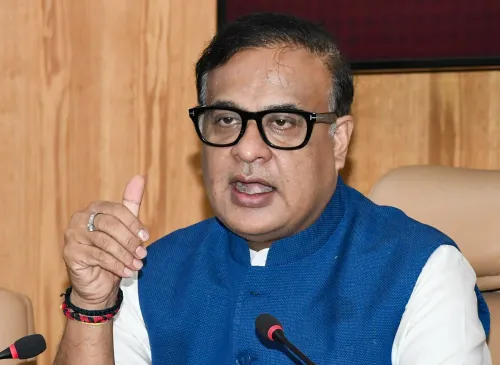
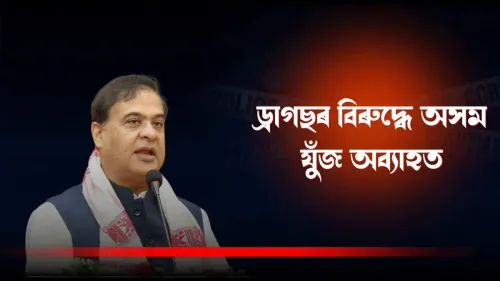
The Chief Minister's Office of Assam declared on Wednesday, 8 July 2026 that the state government will intensify its crackdown on the drug menace and enforce even stricter measures to curb drug trafficking across Assam. The announcement signals a hardening of the state's already firm anti-narcotics posture under Chief Minister Himanta Biswa Sarma.
Context
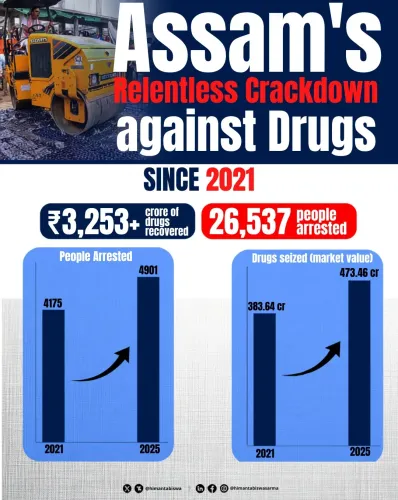
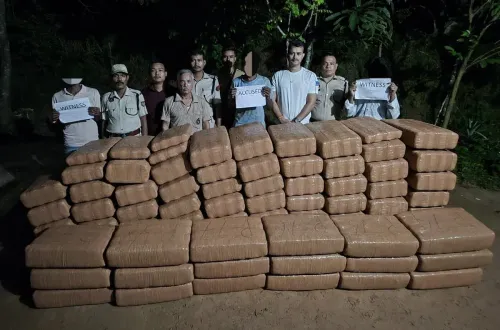
The official post from the Chief Minister's Office of Assam stated plainly: 'Assam Government will continue to intensify its crackdown on the drug menace and take even stricter measures to curb drug trafficking across the state.' The language is unambiguous — this is not a new initiative but an escalation of an existing, sustained campaign. Assam Police has been conducting raids, seizures, and arrests under anti-drug drives that have run continuously since 2021.
CM Himanta Biswa Sarma, who took office in 2021, adopted a public zero-tolerance stance on narcotics almost immediately after assuming charge. That policy commitment has since translated into multiple large-scale enforcement operations across the state's districts, particularly those bordering Myanmar.
Policy Backdrop
Assam's anti-drug operations are conducted under the framework of the Narcotic Drugs and Psychotropic Substances (NDPS) Act, 1985, the central legislation governing drug offences and penalties across all Indian states. The Act, amended in 2001 and 2014, provides the legal teeth for seizures, arrests, and prosecutions that state police carry out on the ground.
The Narcotics Control Bureau (NCB), the central coordinating agency, works alongside Assam Police on cross-border cases and intelligence sharing. Assam's geographic position makes this coordination critical: the state sits along trafficking corridors that funnel narcotics from the Indo-Myanmar border into distribution networks across the Northeast and beyond.
Stakeholders and Impact
The communities most directly affected are youth in urban and semi-urban centres, residents of border districts, and law enforcement personnel who bear the operational burden of enforcement. Stricter measures, if they translate into enhanced surveillance, faster prosecution, and stiffer bail conditions, could materially disrupt supply chains that have fed addiction crises in several northeastern districts.
Neighbouring states sharing the same trafficking routes — including Manipur and Nagaland — have issued similar enforcement rhetoric and run parallel operations. A coordinated regional push, backed by the NCB and state police forces, would be more effective than any single-state effort alone.
What's Next
Observers will watch for concrete follow-through: quarterly crime and seizure statistics from Assam Police, any new state-level executive directives, and the possibility of fresh assembly legislation proposing stricter penalties beyond what the NDPS Act currently mandates. The government's credibility on this issue will be measured against verifiable data on seizure volumes, conviction rates, and the disruption of trafficking networks in the months ahead.
The 8 July declaration sets an expectation bar. Whether the intensification produces measurable results — or remains a statement of intent — will define the political and policy narrative around Assam's anti-drug campaign heading into the latter half of 2026.
Point of View
Particularly as drug-related social harm in border districts remains a live political liability. This fits a broader Northeast India pattern where state governments use anti-narcotics posturing to signal administrative competence to both local electorates and central leadership. The real test will be whether intensified enforcement translates into sustained reduction in supply and addiction rates, or whether it remains a cycle of high-profile raids followed by gradual network reconstitution.
NationPress
8 Jul 2026
Frequently Asked Questions
What did the Assam government announce about drugs on 8 July 2026?
The Chief Minister's Office of Assam announced that the state government will intensify its crackdown on the drug menace and take even stricter measures to curb drug trafficking across Assam.
Who is the Chief Minister of Assam leading the anti-drug drive?
Chief Minister Himanta Biswa Sarma, in office since 2021, has led Assam's zero-tolerance anti-narcotics campaign and has been the face of the state's drug enforcement policy.
Which law governs drug enforcement in Assam?
Drug offences in Assam, as in all Indian states, are governed by the Narcotic Drugs and Psychotropic Substances (NDPS) Act of 1985, amended in 2001 and 2014.
Why is Assam particularly vulnerable to drug trafficking?
Assam's location along the Indo-Myanmar border makes it a key corridor for narcotics entering the Northeast; trafficked drugs move through border districts and into wider distribution networks across the region.
Which central agency assists Assam in anti-drug operations?
The Narcotics Control Bureau (NCB) coordinates with Assam Police on cross-border drug cases and intelligence sharing, supporting the state's enforcement efforts under the NDPS framework.