CM Himanta's Assam Wages Relentless War on Drugs

Synopsis
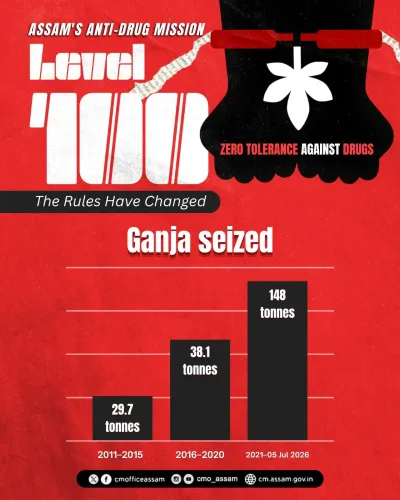
The Chief Minister's Office of Assam on 27 June 2026 declared the state is 'relentlessly cracking down on drugs,' reaffirming CM Himanta Biswa Sarma's zero-tolerance narcotics policy. Assam Police leads operations against trafficking routes linked to the India-Myanmar border under the NDPS Act framework.
Key Takeaways
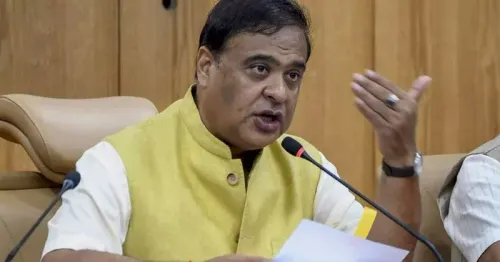
The Chief Minister's Office of Assam posted on 27 June 2026 that the government is 'relentlessly cracking down on drugs.' CM Himanta Biswa Sarma announced a zero-tolerance narcotics policy shortly after taking office in May 2021 .
Assam Police has been conducting raids, seizures, and arrests across districts as part of sustained enforcement drives.
Assam shares a porous border with Myanmar , a key source of synthetic drugs such as yaba tablets entering Northeast India .
Joint operations between Assam Police and the Narcotics Control Bureau (NCB) have been conducted in border areas on multiple occasions.
Upcoming official seizure and arrest statistics from Assam Police will be a key indicator of the crackdown's measurable impact.
The Chief Minister's Office of Assam declared on Saturday, 27 June 2026 that the state government is 'relentlessly cracking down on drugs,' signalling a continued escalation of anti-narcotics enforcement across the state.
Context
The post, shared from the official CMO Assam account, underscores the administration of Chief Minister Himanta Biswa Sarma reaffirming its public commitment to eliminating drug trafficking and abuse in Assam. Since assuming office in May 2021, CM Sarma has repeatedly positioned zero tolerance on narcotics as a flagship governance priority, making anti-drug drives a defining feature of his administration.
Assam Police has been at the operational forefront of these efforts, conducting raids, seizures, and arrests across districts. The state's geographic position — sharing a porous border with Myanmar — makes it a critical transit corridor for synthetic drugs, particularly yaba tablets, entering Northeast India.
Policy Backdrop
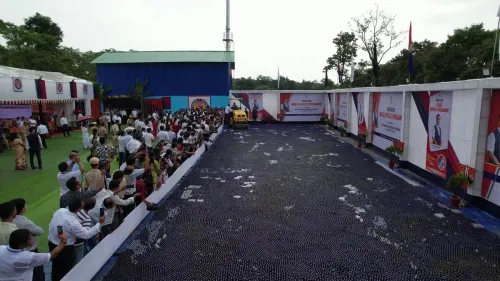
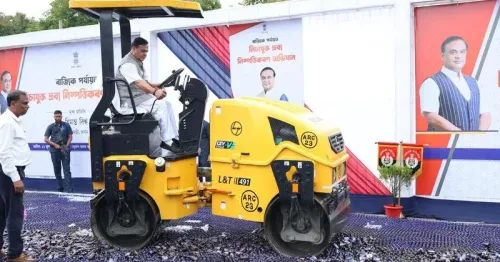
The Assam government formally announced a zero-tolerance narcotics policy shortly after the Sarma ministry took charge in 2021. This was followed by periodic large-scale destruction of illegal poppy cultivation and cannabis plantations across Assam districts, a practice that dates to at least 2016.
Enforcement in the state operates within the framework of the central Narcotic Drugs and Psychotropic Substances (NDPS) Act, and the Narcotics Control Bureau (NCB) has conducted joint operations with Assam Police in border areas on multiple occasions. These coordinated drives reflect a dual-track strategy: dismantling supply chains at the border while targeting distribution networks within the state.
Assam's approach mirrors a broader pattern across Northeast India, with states such as Manipur facing comparable pressure from trafficking routes originating along the India-Myanmar border.
Stakeholders and Impact
The most immediate beneficiaries of sustained enforcement are residents of Assam's border districts, where drug availability has historically been high due to proximity to smuggling routes. Youth in urban and semi-urban centres — identified as the primary demographic vulnerable to drug abuse — stand to benefit from both supply-side crackdowns and any accompanying demand-reduction programmes.
For Assam Police, the continued political emphasis on anti-drug operations translates into sustained operational mandates and resource allocation. Civil society groups and de-addiction practitioners have long called for enforcement to be paired with robust rehabilitation infrastructure, a dimension that remains under watch.
What's Next
Observers will watch for the release of official seizure and arrest statistics from Assam Police in the coming months, which would quantify the scale of the crackdown. Any announcement of new state-level rehabilitation or de-addiction programmes would signal whether Guwahati intends to complement its enforcement-heavy approach with demand-side interventions.
With the India-Myanmar border remaining a live trafficking corridor, the durability of Assam's anti-narcotics gains will depend as much on central coordination and border management as on state-level policing. The CMO's public reaffirmation on 27 June 2026 suggests the political will to sustain pressure — but translating that into measurable, long-term reduction in drug availability will be the administration's defining test.
Point of View
Enforcement-only messaging also invites scrutiny: without parallel data on rehabilitation uptake and recidivism, the crackdown risks being measured solely by seizure tallies rather than public-health outcomes. The broader Northeast India context — where trafficking routes are transnational — means Assam's success ultimately depends on central border-management policy as much as state-level policing resolve.
NationPress
25 Sept 2026
Frequently Asked Questions
What is the Assam government doing to fight drugs in 2026?
The Assam government, led by CM Himanta Biswa Sarma, is conducting sustained anti-narcotics operations through Assam Police, including raids, seizures, and arrests across districts, under the zero-tolerance policy announced in 2021.
Which drugs are being smuggled into Assam from Myanmar?
Synthetic drugs, particularly yaba tablets, are among the narcotics linked in public reports to cross-border smuggling from Myanmar into Assam and other Northeast Indian states.
What is the NDPS Act and how does it apply to Assam?
The Narcotic Drugs and Psychotropic Substances (NDPS) Act is the central law governing drug enforcement in India. Assam Police and the Narcotics Control Bureau use it as the legal framework for raids, arrests, and prosecutions in anti-drug operations.
Has Assam Police worked with the NCB on drug operations?
Yes, Assam Police and the Narcotics Control Bureau (NCB) have conducted joint operations in border areas on multiple occasions, targeting trafficking networks entering via the India-Myanmar border.
What should we watch for next in Assam's anti-drug campaign?
Key indicators to watch include official seizure and arrest statistics from Assam Police and any new state-level de-addiction or rehabilitation programme announcements from the Sarma administration.