CM Sarma: Rs 3,253 Cr Narcotics Seized in Assam Since 2021

Synopsis
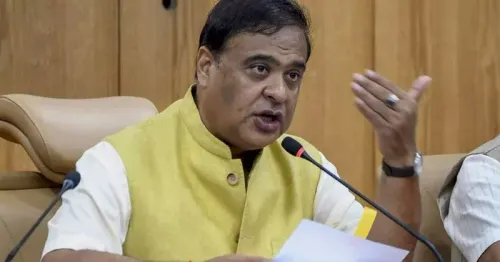
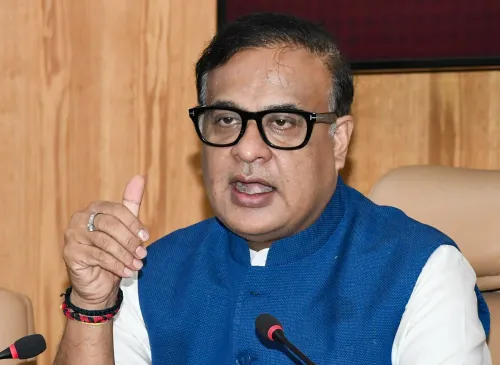
The Chief Minister's Office of Assam announced that narcotics worth over Rs 3,253 crore have been seized and more than 26,500 offenders arrested since 2021, highlighting five years of sustained anti-drug enforcement under CM Himanta Biswa Sarma.
Key Takeaways
Narcotics worth over Rs 3,253 crore have been seized in Assam since 2021 .
More than 26,500 offenders have been arrested in connection with drug-related cases over the same period.
Chief Minister Himanta Biswa Sarma declared a zero-tolerance policy on narcotics upon taking office in May 2021 .
Assam lies on a key transit corridor of the Golden Triangle heroin trade, bordering Myanmar and Bangladesh .
Enforcement is carried out primarily by Assam Police under the NDPS Act, 1985 , with coordination from the Narcotics Control Bureau .
Focus is expected to shift to rehabilitation infrastructure and possible amendments to the Assam Excise Act in the next assembly session.
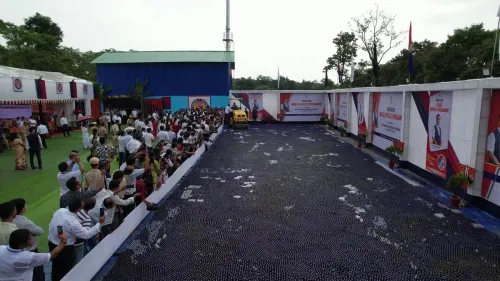
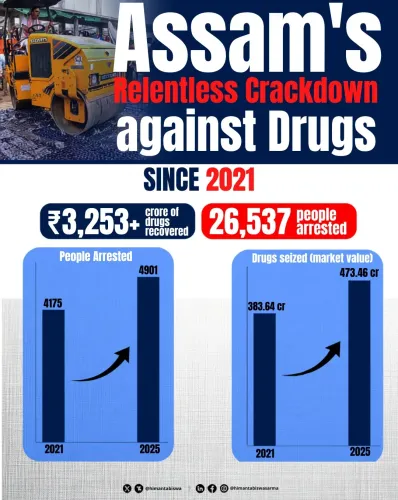
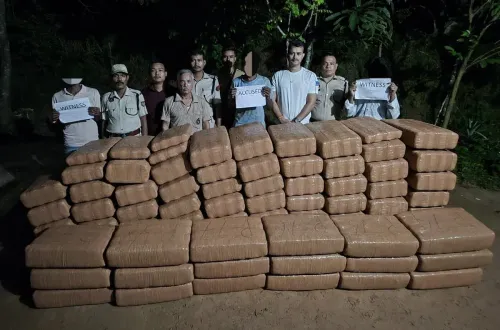
The Chief Minister's Office of Assam announced on Friday, July 10, 2026 that narcotics worth over Rs 3,253 crore have been seized in the state since 2021, with more than 26,500 offenders arrested in the same period — marking one of the most extensive anti-drug campaigns in the state's history.
Context
The figures shared by the Chief Minister's Office underscore the scale of Assam's sustained crackdown on narcotics trafficking that began when Chief Minister Himanta Biswa Sarma took office in May 2021. Upon assuming charge, CM Sarma declared a zero-tolerance policy against drug trafficking in the state, directing Assam Police to treat narcotics enforcement as a priority law-and-order mandate.
The announcement places the cumulative seizure value at over Rs 3,253 crore and the number of persons taken into custody at 26,500 — figures that span roughly five years of continuous enforcement operations across the state.
Policy Backdrop
Assam occupies a strategically sensitive position in India's northeast, sharing borders with Myanmar and Bangladesh. This geography places the state along one of the southern transit corridors of the Golden Triangle heroin trade, making it a recurring flashpoint for narcotics smuggling.
Enforcement actions in Assam are governed primarily by the Narcotic Drugs and Psychotropic Substances (NDPS) Act, 1985, the central legislation that prescribes penalties for drug offences across India. Assam Police has been the principal enforcement agency in most of these operations, at times coordinating with the Narcotics Control Bureau (NCB), which has deepened its engagement with northeastern state forces over the past decade.
Neighbouring states such as Manipur and Mizoram have reported similar intensified seizure drives, reflecting a broader regional pattern of multi-agency operations targeting both synthetic drugs and heroin.
Stakeholders and Impact
The primary beneficiaries of the crackdown are Assam's youth population, who have been identified by the state government as the most vulnerable demographic to drug abuse. Successive enforcement drives have also disrupted supply chains that previously moved narcotics through Assam into other parts of India.
The 26,500 arrests over five years represent a significant burden on the state's judicial and correctional infrastructure, raising questions about capacity at detention facilities and the pace of trial proceedings under the NDPS Act. Civil society groups working in drug rehabilitation have called for parallel investment in de-addiction and counselling services to address the demand side of the problem.
What's Next
Attention will now turn to Assam's state budget allocations for drug rehabilitation centres and any proposed amendments to the Assam Excise Act in the upcoming assembly session. The government's ability to sustain enforcement momentum while expanding rehabilitation infrastructure will be a key measure of the policy's long-term effectiveness.
With the five-year mark of CM Sarma's anti-narcotics campaign approaching, the state is likely to face scrutiny over whether the scale of seizures and arrests has translated into measurable reductions in drug availability and abuse across Assam.
Point of View
And a five-year aggregate of Rs 3,253 crore fits squarely into that pattern. However, the scale of arrests — over 26,500 — also invites scrutiny of whether the state's judicial and rehabilitation systems can absorb the downstream consequences of aggressive enforcement. The broader regional picture, with Manipur and Mizoram reporting similar drives, suggests a coordinated northeastern strategy that may increasingly seek central funding and legislative support.
NationPress
8 Oct 2026
Frequently Asked Questions
How much narcotics have been seized in Assam since 2021?
According to the Chief Minister's Office of Assam, narcotics worth over Rs 3,253 crore have been seized in the state since 2021 .
How many people have been arrested in Assam drug cases since 2021?
More than 26,500 offenders have been arrested in Assam in connection with narcotics cases since 2021 , according to the state government.
Why is Assam a major narcotics transit route?
Assam shares borders with Myanmar and Bangladesh , placing it along a southern transit corridor of the Golden Triangle heroin trade, which makes it a recurring target for drug traffickers.
What law governs drug enforcement in Assam?
Narcotics enforcement in Assam, as in the rest of India, is governed primarily by the Narcotic Drugs and Psychotropic Substances (NDPS) Act, 1985 .
What is CM Himanta Biswa Sarma's policy on drugs?
Chief Minister Himanta Biswa Sarma declared a zero-tolerance policy against narcotics trafficking when he took office in May 2021 , directing Assam Police to prioritise drug enforcement.