Modi-Albanese summit: Indo-Pacific reflects India-Australia shared vision
Synopsis
At the third India-Australia Leaders' Summit in Melbourne, Modi and Albanese moved beyond symbolism — signing a nuclear energy deal for Australian uranium supply to India, launching a Defence Innovation Corridor, and committing to a maritime security roadmap for the Indo-Pacific. The cricket analogy was charming; the strategic substance was anything but a game.
Key Takeaways
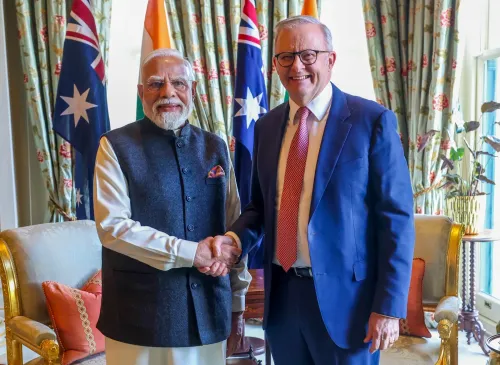
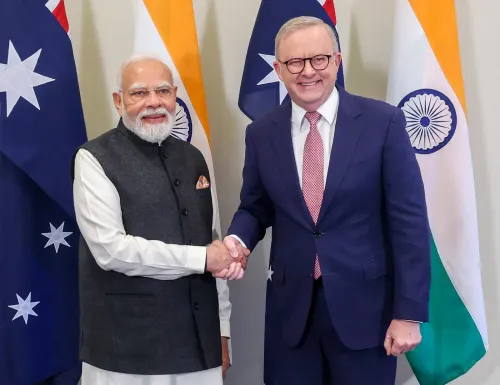
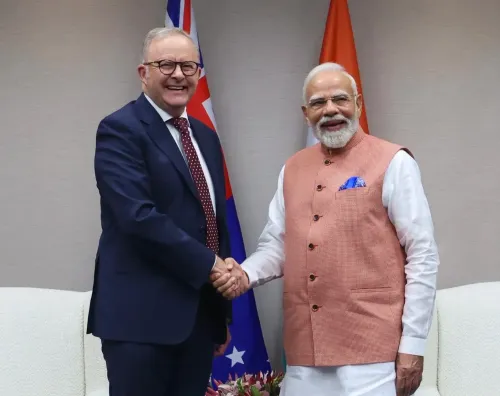
PM Narendra Modi and Australian PM Anthony Albanese held the third Australia-India Leaders' Summit in Melbourne on 9 July .
A nuclear energy agreement was signed to facilitate uranium supply from Australia to India for clean energy goals.
The India-Australia Defence Innovation Corridor was announced to link defence startups and industries of both nations.
Both sides signed a joint declaration on security cooperation and a maritime security collaboration roadmap for the Indo-Pacific.
Leaders committed to negotiating a Comprehensive Economic Cooperation Agreement (CECA) described as 'balanced, ambitious and win-win.' Cooperation on ship-building, repair, and maintenance and joint hosting of future sporting events were also announced.
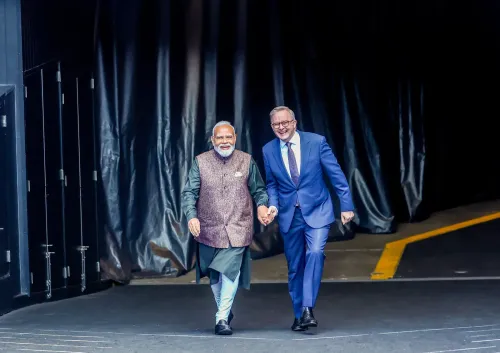
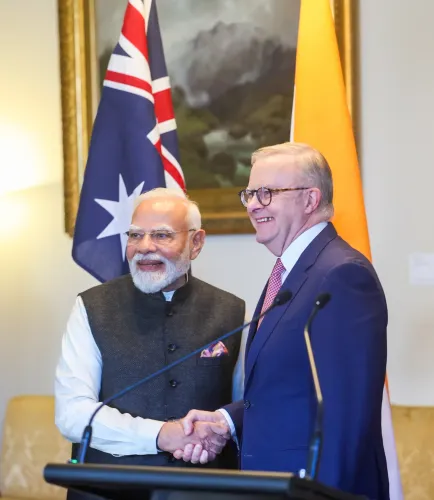
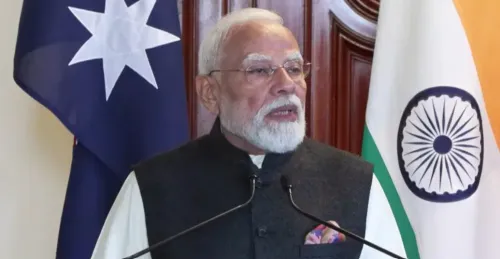
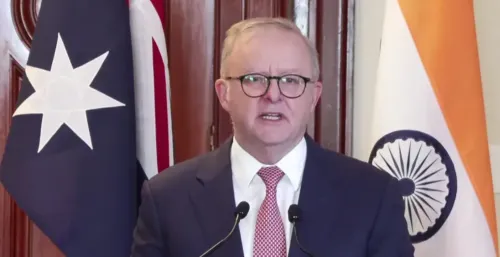
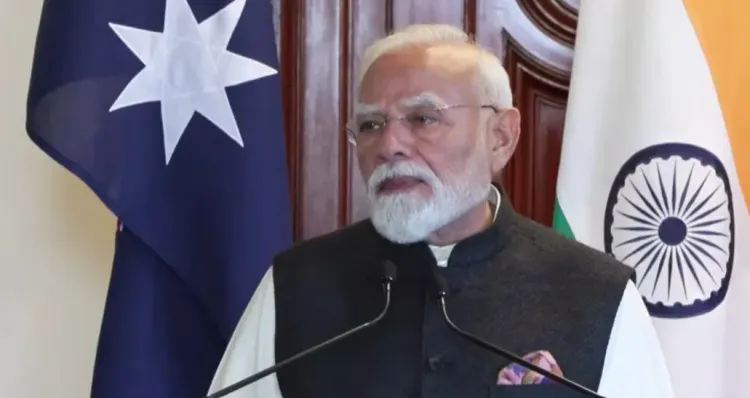
Prime Minister Narendra Modi on Thursday, 9 July declared that the Indo-Pacific represents the shared aspirations of like-minded democracies, speaking alongside Australian Prime Minister Anthony Albanese at a joint press conference following the third Australia-India Leaders' Summit in Melbourne. Modi described both nations as 'vibrant democracies and important ocean powers' bound by a common worldview and deep mutual trust.
Key Outcomes of the Third Annual Summit
The summit produced a series of concrete deliverables spanning defence, energy, and trade. The two leaders announced a new India-Australia Defence Innovation Corridor to connect defence startups and industries from both countries. A fresh agreement on nuclear energy was also signed, which is expected to pave the way for uranium supply from Australia to India — a significant step for India's clean energy ambitions.
Both nations additionally committed to working together on ship-building, repair, and maintenance, and formalised a maritime security collaboration roadmap to strengthen their joint presence in the Indo-Pacific. A joint declaration on security cooperation was signed at the summit.
What Modi Said on Indo-Pacific Security
Modi was direct on the strategic significance of the region. 'The Indo-Pacific is not just a meeting point of two oceans, but it also represents the shared aspirations of like-minded democracies like India and Australia,' he said. He added that the maritime security roadmap 'will give new strength to our shared efforts in the Indo-Pacific.'
This comes amid growing multilateral focus on Indo-Pacific stability, with frameworks such as the Quad — of which both India and Australia are members — gaining strategic salience. The summit's defence and maritime outcomes reinforce that bilateral alignment.
Trade and Economic Cooperation
On the economic front, Modi announced that both countries have decided to work toward a Comprehensive Economic Cooperation Agreement (CECA), describing it as one that will be 'balanced, ambitious and win-win for both our countries.' He credited Albanese's personal commitment for elevating the Comprehensive Strategic Partnership to its current depth, saying his 'personal efforts and commitment have taken India-Australia relations to new heights.'
Cricket as Diplomatic Metaphor
Speaking in Melbourne — which Modi called 'the sporting capital of the world' — the Prime Minister invoked cricket as a diplomatic lens for the bilateral relationship. 'Cricket is a diplomatic language in India and Australia relations,' he said. He drew a pointed analogy: 'Our agenda is as focused as a One Day International, our decisions are as swift as a T20 match, and our partnership is as enduring and deep as a Test match.'
Modi also noted that both nations will host major sporting events in the coming years, including the Olympic Games and the Commonwealth Games, which he said would strengthen sporting cooperation and generate investment in sports infrastructure.
What Comes Next
The CECA negotiations and the operationalisation of the Defence Innovation Corridor are expected to be the near-term priorities. The uranium supply agreement under the nuclear energy pact will require further regulatory steps on both sides. As the bilateral relationship formally enters a new chapter post the third summit, implementation timelines and institutional follow-through will determine whether the announcements translate into durable strategic and economic outcomes.
Point of View
A defence innovation corridor, and a maritime roadmap are concrete moves that reflect how quickly this bilateral has matured. Yet the real test lies in execution: India's CECA negotiations have historically stalled on agriculture and services, and the uranium pact will need regulatory clearance on both ends. Modi's cricket metaphor was politically astute for a Melbourne audience, but the partnership's 'Test match depth' will only be proven when the agreements survive the slow grind of implementation.
NationPress
7 Oct 2026
Frequently Asked Questions
What was agreed at the third India-Australia Leaders' Summit in Melbourne?
The summit, held on 9 July in Melbourne, produced agreements on nuclear energy, defence innovation, maritime security, and a commitment to negotiate a Comprehensive Economic Cooperation Agreement. A joint declaration on security cooperation and a maritime security collaboration roadmap for the Indo-Pacific were among the key outcomes.
What does the India-Australia nuclear energy agreement involve?
The agreement is expected to pave the way for uranium supply from Australia to India, strengthening India's clean energy objectives. It was signed during the third annual summit between Prime Ministers Modi and Albanese.
What is the India-Australia Defence Innovation Corridor?
It is a new bilateral initiative announced at the Melbourne summit aimed at connecting defence startups and industries from both India and Australia. The corridor is intended to deepen defence-industrial cooperation between the two nations.
What is the Comprehensive Economic Cooperation Agreement that India and Australia plan to negotiate?
The CECA is a proposed trade deal that both leaders described as 'balanced, ambitious and win-win.' It builds on the existing Comprehensive Strategic Partnership and is intended to expand bilateral economic ties beyond current frameworks.
Why did PM Modi reference cricket at the Melbourne summit?
Speaking in Melbourne, which he called 'the sporting capital of the world,' Modi used cricket as a metaphor for the bilateral relationship — comparing the summit agenda to a One Day International, decision-making to a T20 match, and the overall partnership to the depth of a Test match. He also noted that both nations will host major sporting events including the Olympics and Commonwealth Games.