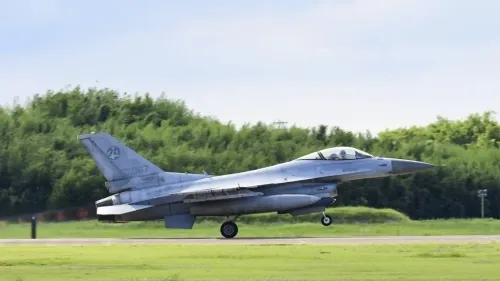
South Korea Air Force loses 896 pilots to civilian airlines in a decade
Synopsis
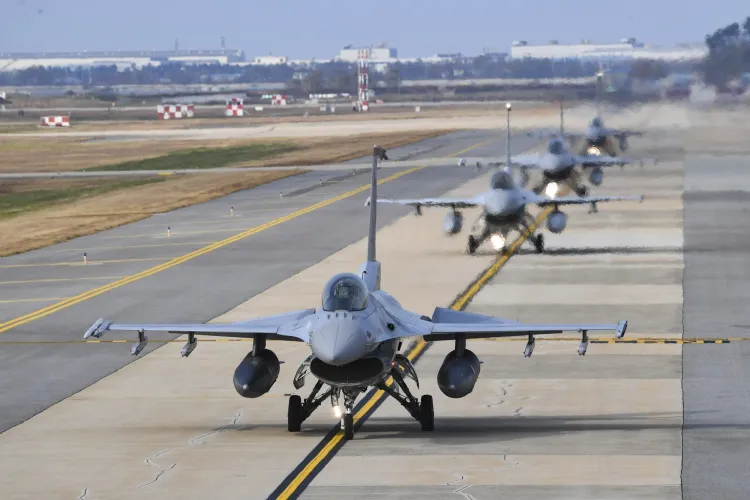
South Korea's Air Force has quietly bled nearly 900 experienced pilots to commercial airlines over the past decade — and the data shows most leave almost the moment their mandatory service ends. With fighter pilot numbers hit hardest and commercial aviation demand surging, the ROKAF's retention problem is structural, not incidental.
Key Takeaways
896 skilled ROKAF pilots voluntarily left for civilian airlines between 2017 and March 2026 .
730 were fighter pilots ; 148 were cargo pilots and 18 were rotary-wing pilots.
622 pilots joined Korean Air ; 146 moved to Asiana Airlines ; 103 joined budget carriers.
Departures dropped to just 7 in 2021 during the pandemic but have since rebounded, with 47 leaving through March 2026 alone.
A 2025 Air Force survey cited wage gaps, high operational risk, and emergency standby stress as the top reasons for departure.
Average Academy-trained pilots leaving for civilian roles had served 15.2 years — barely beyond the 15-year mandatory period .
Nearly 896 skilled South Korean Air Force pilots have voluntarily left the military for better-paying positions at civilian airlines between 2017 and March 2026, according to data tabled before a parliamentary defence subcommittee in Seoul. The figures, which highlight a deepening retention crisis in the Republic of Korea Air Force (ROKAF), were submitted to People Power Party representative Kang Dae-sik, a member of the parliamentary subcommittee on national defence.
Scale of the Exodus
Of the 896 pilots classified as "skilled" — defined by the Air Force as those with eight to 17 years of experience capable of independent operations and training junior personnel — the majority were fighter pilots. 730 fighter pilots opted for voluntary discharge, followed by 148 cargo pilots and 18 rotary-wing pilots. The data was reported by Yonhap news agency on Sunday, 4 May 2025.
Where the Pilots Went
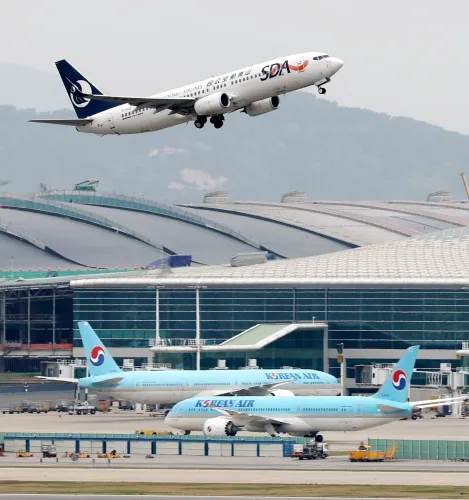
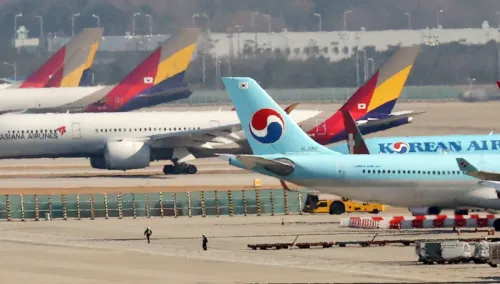
The bulk of departing pilots moved to South Korea's two largest carriers. 622 pilots joined Korean Air, the country's flag carrier, while 146 moved to Asiana Airlines — now merged with Korean Air — the nation's second-largest airline. A further 103 pilots joined budget carriers, reflecting broad demand for experienced military-trained aviators across the commercial aviation sector.
COVID Dip and the Steady Rebound
Departures had averaged roughly 100 pilots per year in the years preceding the COVID-19 pandemic. That figure collapsed to just seven pilots in 2021 as global air traffic plunged and commercial hiring froze. However, the numbers have climbed steadily since, with 47 pilots already leaving for civilian airlines through March 2026 — a trajectory that suggests annual departures could again approach pre-pandemic levels.
Why Pilots Are Leaving
A 2025 Air Force survey identified three primary drivers behind the exodus: a significant wage gap between military and commercial pilots, the high operational risks inherent to military aviation, and stress from constant emergency standbys. Notably, the average skilled pilot who graduated from the Air Force Academy and subsequently joined a civilian airline had served 15.2 years — barely beyond the mandatory 15-year service period for Academy graduates flying fighter jets or cargo aircraft. Non-Academy graduates face a shorter mandatory term of 10 years.
Air Force Response and What Comes Next
An Air Force official confirmed that renewed retention measures are already in place and that the service is actively working to improve pilot welfare. The mandatory service periods themselves serve as a structural brake on departures, but the data suggests pilots are leaving almost immediately upon fulfilling their obligations. This comes amid broader concerns across several allied militaries about retaining experienced aviators as commercial aviation globally ramps up post-pandemic hiring. Whether the ROKAF's welfare reforms will be sufficient to slow the outflow remains to be seen.
Point of View
Not a commitment. The wage gap with commercial aviation is not new, but post-pandemic demand has widened it. South Korea's challenge mirrors those of the US, UK, and Australian air forces, where commercial hiring surges routinely outpace military pay reform cycles. The real question is whether Seoul will move toward competitive pay parity or continue to rely on service obligations that pilots are increasingly treating as a countdown.
NationPress
29 Jul 2026
Frequently Asked Questions
How many South Korean Air Force pilots left for civilian airlines over the past decade?
According to data submitted to a parliamentary defence subcommittee, 896 skilled ROKAF pilots voluntarily discharged from the Air Force between 2017 and March 2026 to join civilian airlines. Of these, 730 were fighter pilots, 148 were cargo pilots, and 18 were rotary-wing pilots.
Which airlines did the departing South Korean Air Force pilots join?
The majority — 622 pilots — joined Korean Air, South Korea's flag carrier. Another 146 went to Asiana Airlines, which has since merged with Korean Air, and 103 joined budget carriers.
Why are South Korean Air Force pilots leaving for civilian jobs?
A 2025 Air Force survey identified three main reasons: a significant wage gap between military and commercial pilot salaries, high risks associated with military aviation, and stress from constant emergency standbys. Most pilots leave almost immediately after completing their mandatory service period.
What is the mandatory service period for South Korean Air Force pilots?
Air Force Academy graduates who fly fighter jets or cargo planes must serve a mandatory 15 years. Pilots who did not graduate from the military academy face a shorter mandatory period of 10 years.
What is South Korea's Air Force doing to stop the pilot exodus?
An Air Force official stated that renewed retention measures are in place and that the service is working to improve pilot welfare. However, the data shows pilots continue to leave almost as soon as their mandatory service obligations are fulfilled, suggesting current measures have had limited impact.