CM Chandrababu Reviews El Niño Drought Threat in AP

Synopsis
Chief Minister Chandrababu Naidu held an emergency El Niño review on 28 July 2026, flagging a 69% July rainfall deficit, 122 high-risk mandals, and crop stress across 3.85 lakh hectares, with insurance enrolment closing 31 July and farmer awareness drives starting 3 August.
Key Takeaways
Andhra Pradesh is projected to receive only 551 mm of rainfall against an expected 844 mm between June and November 2026.
July 2026 recorded a 69 percent rainfall deficit — the sharpest monthly shortfall flagged in the review.
El Niño conditions are threatening crops across 2.78 lakh hectares of cotton and 1.07 lakh hectares of paddy .
Five districts — West Godavari, Prakasam, Annamayya, Krishna, and Kadapa — are experiencing active drought conditions.
122 high-risk mandals have been identified; borewell-based crop protection is under active consideration for these areas.
Fasal Bima Yojana enrolment closes 31 July ; farmer awareness programmes begin 3 August .
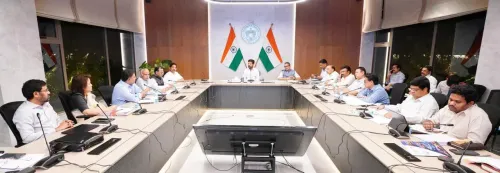
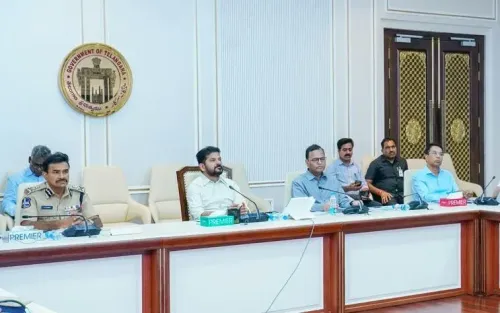
With Andhra Pradesh staring at a rainfall shortfall of nearly 35 to 40 percent over the next three months, Chief Minister Nara Chandrababu Naidu chaired a high-level review on Tuesday, 28 July 2026, to assess the El Niño-driven climate crisis and chart an emergency response for the state's farming communities.
A monsoon that never arrived — the numbers tell the story
The scale of the deficit is stark. Against an expected 844 mm of rainfall between June and November, the state is projected to receive just 551 mm — a shortfall of nearly one-third. July alone recorded a 69 percent deficit, one of the sharpest single-month shortfalls in recent memory. El Niño, the periodic warming of Pacific Ocean surface temperatures that routinely suppresses India's southwest monsoon, is the identified driver.
Five districts — West Godavari, Prakasam, Annamayya, Krishna, and Kadapa — have been flagged as experiencing active drought conditions. Across the state, officials have identified 122 high-risk mandals where crop survival is most imperilled.
Cotton, paddy, and the 2.78 lakh hectares at stake
The agricultural exposure is significant. El Niño conditions are expected to affect crops across 2.78 lakh hectares of cotton and 1.07 lakh hectares of paddy. These two crops form the backbone of livelihoods for hundreds of thousands of farm families across the affected districts.
CM Naidu directed officials to examine borewell-based irrigation as an emergency lifeline for crops in the 122 high-risk mandals. Officials also confirmed that an emergency seed plan has been drawn up, with a push to shift paddy farmers toward alternative, drought-tolerant crops.
Farmer awareness from August 3, insurance deadline July 31
The state's response has two immediate deadlines. Enrolment under the Pradhan Mantri Fasal Bima Yojana and the weather-based crop insurance scheme continues until 31 July — giving farmers a narrow window to secure coverage before the crisis deepens. Launched nationally in 2016, the Fasal Bima Yojana was designed precisely for moments like this: to cushion cultivators against monsoon failure and drought-induced losses.
From 3 August, a structured farmer awareness programme will roll out across affected areas, focusing on alternative crop options and contingency farming practices. The review was attended by officials from the agriculture, horticulture, animal husbandry, and irrigation departments. Minister K. Achennayudu participated via Zoom.
The state is now in a race against the calendar — every day of delayed enrolment and unprotected acreage is a day of compounding risk for Andhra Pradesh's farmers.
Point of View
Twin insurance deadlines, a specific awareness rollout date), the Naidu administration is attempting to convert climate forecasts into administrative accountability. The borewell directive for high-risk mandals is a pragmatic short-term lever, but it also points to a deeper structural question: whether groundwater-dependent contingency plans are sustainable in a state already grappling with aquifer stress. How many farmers actually enrol before the 31 July cutoff will be the first real test of whether this review translates into field-level action.
NationPress
26 Oct 2026
Frequently Asked Questions
What is El Niño and how does it affect Andhra Pradesh rainfall?
El Niño is a periodic warming of Pacific Ocean surface temperatures that typically suppresses India's southwest monsoon. In 2026, it has driven a 69 percent rainfall deficit in Andhra Pradesh during July alone, with a further 35-40 percent shortfall projected over the next three months.
Which districts in Andhra Pradesh are most affected by drought in 2026?
West Godavari, Prakasam, Annamayya, Krishna, and Kadapa districts have been identified as experiencing active drought conditions due to El Niño-related rainfall deficits.
What is the last date to enrol in Fasal Bima Yojana in Andhra Pradesh?
The enrolment deadline for the Pradhan Mantri Fasal Bima Yojana and the weather-based crop insurance scheme in Andhra Pradesh is 31 July 2026, as confirmed by officials at the CM's review meeting.
How many hectares of crops are at risk from El Niño in Andhra Pradesh?
El Niño is expected to affect 2.78 lakh hectares of cotton and 1.07 lakh hectares of paddy across the state, according to officials who briefed Chief Minister Chandrababu Naidu on 28 July 2026.
What steps is the Andhra Pradesh government taking to protect farmers from drought?
The state has identified 122 high-risk mandals for borewell-based crop protection, drawn up an emergency seed plan, is pushing alternative crops for paddy farmers, and will launch farmer awareness programmes from 3 August 2026.