Shivraj Singh Chouhan: No need to panic over El Niño
Synopsis
Union Agriculture Minister Shivraj Singh Chouhan on 28 May 2026 dismissed panic over El Niño, saying no final forecast exists and that the Centre will respond state-by-state as conditions evolve — a calibrated reassurance ahead of the critical kharif sowing season.
Key Takeaways
Shivraj Singh Chouhan said on 28 May 2026 that there is 'no need to panic' over El Niño concerns.
He clarified that no final meteorological estimate has been issued and current fears are 'only speculation.' The Centre will tailor its response to the specific needs of each state as conditions develop.
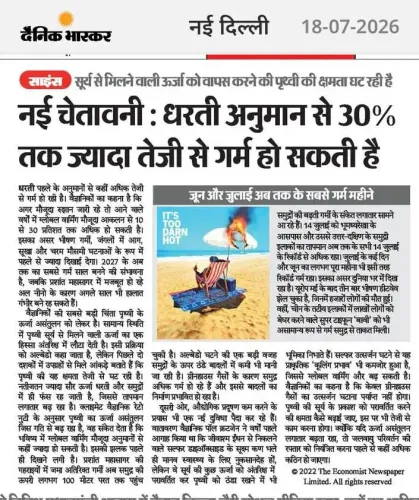
El Niño historically suppresses Indian monsoon rainfall; the severe 2015–16 episode triggered national drought-relief operations.
The India Meteorological Department is expected to release updated long-range monsoon forecasts in the coming weeks.
The Crisis Management Group on Drought and schemes like Pradhan Mantri Fasal Bima Yojana are the key policy instruments on standby.
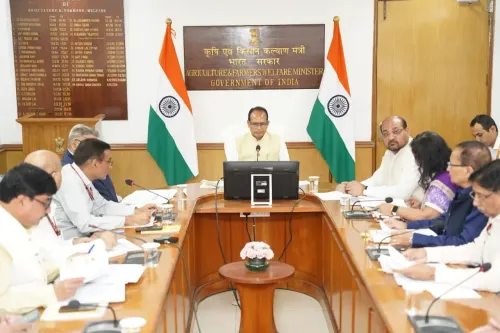
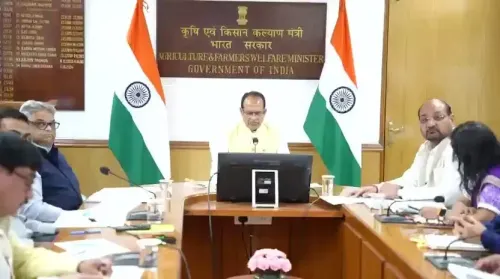
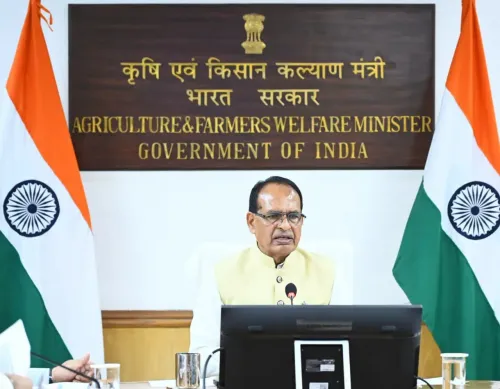
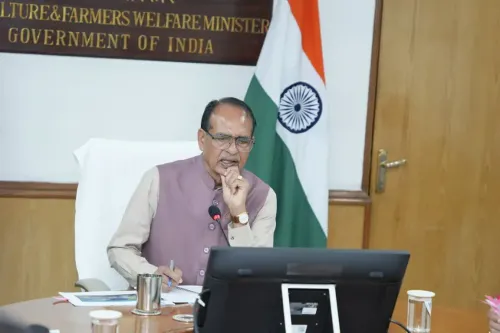
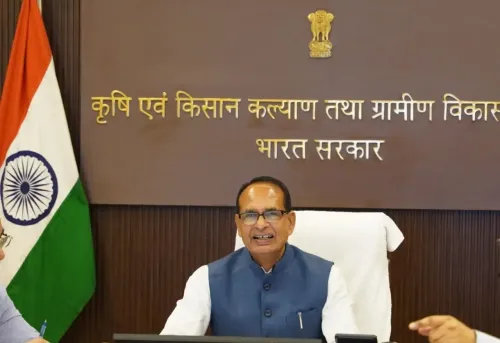
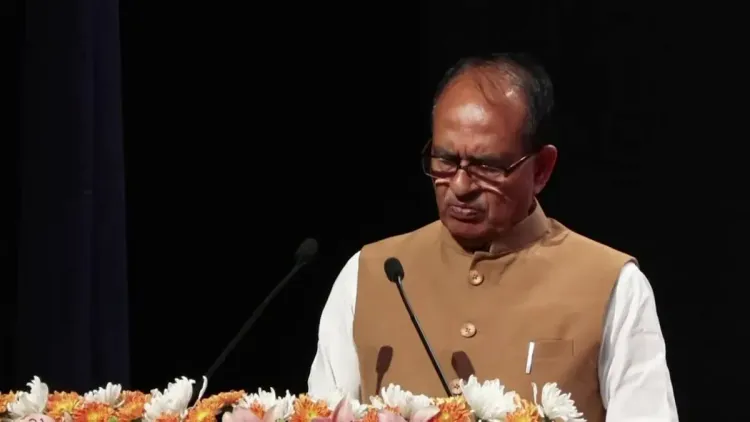
Union Agriculture Minister Shivraj Singh Chouhan on Thursday, 28 May 2026, urged farmers and state governments not to panic over El Niño concerns, saying no final forecast has been issued and that the Centre will respond according to the needs of each state as conditions develop.
Context
Posting on X in Hindi, Chouhan said: 'Al Niño ko lekar ghabraane ki koi zaroorat nahin hai' ('There is no need to panic over El Niño'). He added that 'no final estimate has arrived yet — these are only speculations for now,' and assured that the government will act 'according to the circumstances and the requirements of each state.'
The statement comes during the critical pre-monsoon window, when anxiety over El Niño's potential impact on the June–September southwest monsoon tends to peak among farming communities and state agriculture planners.
Policy Backdrop
El Niño — a periodic warming of the central and eastern Pacific Ocean — is historically associated with below-normal monsoon rainfall over the Indian subcontinent. The India Meteorological Department (IMD), the nodal agency for official forecasts, typically releases updated long-range monsoon outlooks in May and June; Chouhan's remarks appear timed to pre-empt alarm ahead of such an update.
The 2015–16 El Niño remains the most recent severe episode in institutional memory, when deficient rainfall triggered coordinated drought-relief operations under the National Disaster Response Force framework. That experience shaped the current federal model: the Centre provides technical guidance and financial support while state governments execute district-level crop contingency plans.
Successive Union governments have treated El Niño monitoring as a routine pre-monsoon exercise, issuing public reassurances while simultaneously activating planning mechanisms — a pattern Chouhan's post is consistent with.
Stakeholders and Impact
India's approximately 140 million farm households are the primary stakeholders. Kharif sowing — covering crops such as paddy, soybean, cotton, and pulses — begins in earnest from June onwards, making the early monsoon outlook commercially critical for input purchases and credit decisions.
State agriculture departments in rain-dependent regions such as Madhya Pradesh, Maharashtra, Rajasthan, and Uttar Pradesh are expected to draw up contingency crop calendars. Chouhan's assurance that the Centre will calibrate its response 'state by state' signals a differentiated, federal approach rather than a blanket national intervention.
What's Next
Attention will now turn to IMD's next operational monsoon forecast and any convening of the Crisis Management Group on Drought, which is activated when cumulative rainfall deficits cross defined thresholds. Chouhan's statement effectively sets the government's public posture: watchful but measured, with targeted state-level action as the preferred instrument.
If El Niño conditions intensify and IMD revises its rainfall outlook downward, the Agriculture Ministry will face pressure to fast-track contingency seed distribution, expand crop insurance outreach under the Pradhan Mantri Fasal Bima Yojana, and release additional funds to affected states — tests that will define the Centre's agricultural crisis-management credibility for the 2026 kharif season.
Point of View
He is buying the government calibration room: if El Niño weakens, the caution looks prudent; if it intensifies, the 'state-by-state action' framing gives the Centre flexibility to respond without appearing caught off guard. The federal framing — Centre as technical and financial backbone, states as executors — also deflects political accountability for ground-level outcomes onto state governments. This mirrors a broader BJP governance pattern of projecting federal partnership on agricultural stress while retaining central control over financial transfers and scheme design.
NationPress
11 Oct 2026
Frequently Asked Questions
What did Shivraj Singh Chouhan say about El Niño?
On 28 May 2026, Union Agriculture Minister Shivraj Singh Chouhan said there is no need to panic over El Niño, stating that no final forecast has been issued yet and that current concerns are only speculation. He assured that the Centre will act according to the specific needs of each state as conditions develop.
How does El Niño affect India's monsoon?
El Niño — a warming of the central and eastern Pacific Ocean — is associated with weaker southwest monsoon rainfall over India. The 2015–16 El Niño was the most recent severe episode, causing deficient rainfall and requiring coordinated drought-relief operations across multiple states.
What is the India Meteorological Department's role in El Niño forecasting?
The India Meteorological Department (IMD) is the nodal government agency responsible for issuing official monsoon and El Niño forecasts. It typically releases updated long-range monsoon outlooks in May and June, which guide the Agriculture Ministry's contingency planning.
What government schemes protect farmers if El Niño causes drought?
The Pradhan Mantri Fasal Bima Yojana provides crop insurance coverage to farmers in the event of weather-related crop losses. The Centre can also activate the Crisis Management Group on Drought and channel funds to affected states through the National Disaster Response Force framework.
Which crops are most at risk from El Niño in India?
Kharif crops — including paddy, soybean, cotton, and pulses — are most vulnerable because their sowing begins in June, coinciding with the onset of the southwest monsoon. Rain-dependent states such as Madhya Pradesh, Maharashtra, Rajasthan, and Uttar Pradesh face the greatest exposure.