Shivraj Chairs El Niño Review With States at Krishi Bhawan
Synopsis
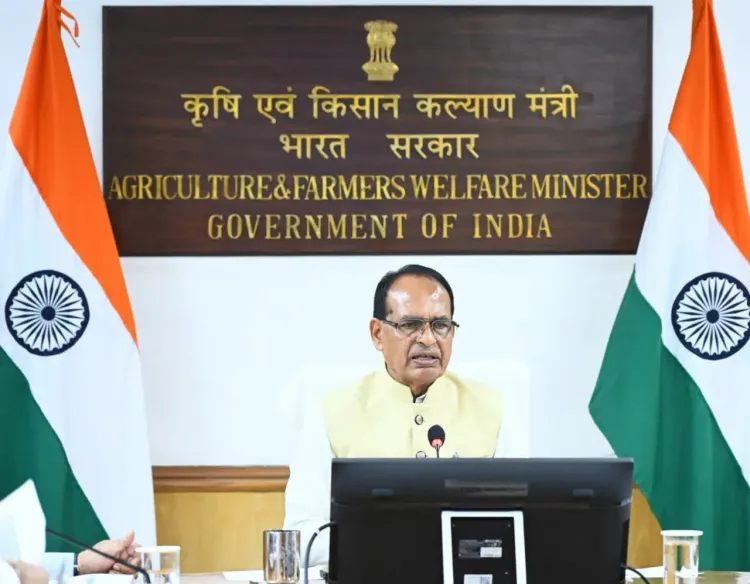
Union Agriculture Minister Shivraj Singh Chouhan on 23 June 2026 chaired a high-level El Niño preparedness review at Krishi Bhawan, New Delhi, with state agriculture ministers, secretaries, and district collectors to plan alternative crop strategies and protect farmer welfare ahead of a potentially deficient monsoon.
Key Takeaways
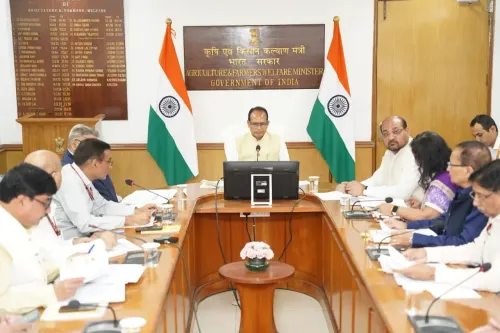
Shivraj Singh Chouhan chaired an El Niño review meeting at Krishi Bhawan, New Delhi on 23 June 2026 .
Participants included state agriculture ministers , agriculture secretaries , and district collectors , signalling a multi-tier coordination approach.
Discussions covered below-normal rainfall preparedness, alternative crop plans , and farmer welfare safeguards.
The Pradhan Mantri Fasal Bima Yojana (launched 2016) remains a key instrument for protecting farmers against weather-induced crop losses.
A similar centre-state El Niño review was conducted in 2015 , establishing precedent for the current exercise.
Next steps include state-level district contingency plans and potential central release of drought-relief funds as monsoon 2026 progresses.
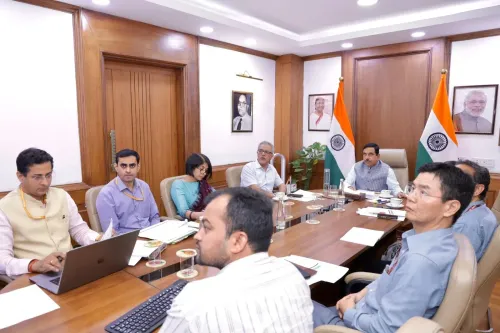
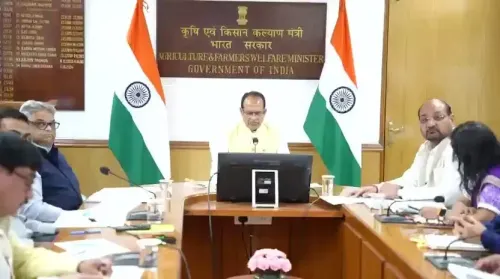
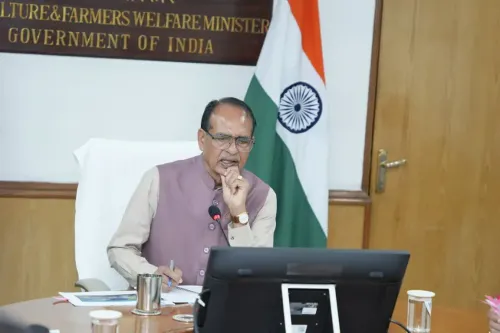
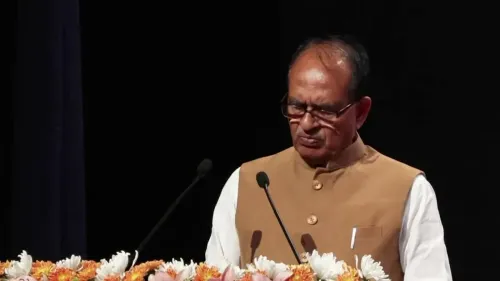
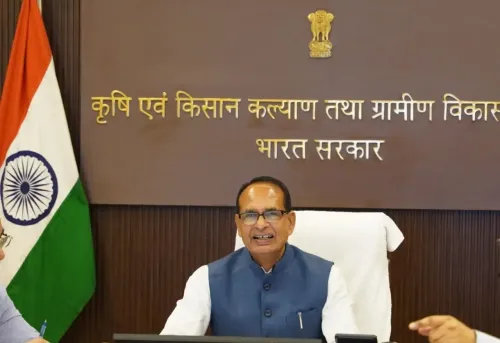
Union Agriculture Minister Shivraj Singh Chouhan on Tuesday, 23 June 2026, chaired a wide-ranging review meeting at Krishi Bhawan, New Delhi, bringing together state agriculture ministers, agriculture secretaries, district collectors, and senior officials to assess the potential impact of El Niño on Indian farming and to firm up contingency plans ahead of the critical kharif season.
Context
Posting on X, Chouhan wrote: 'अल नीनो की संभावित परिस्थितियों को देखते हुए हम किसान भाई-बहनों के हितों की रक्षा और खेती-किसानी पर पड़ने वाले किसी भी प्रतिकूल प्रभाव को कम करने के लिए पूरी तरह संकल्पित हैं।' ('In view of possible El Niño conditions, we are fully committed to protecting the interests of our farmer brothers and sisters and to minimising any adverse impact on agriculture.')
The minister emphasised that discussions at the meeting covered preparations for a scenario of below-normal rainfall, alternative crop planning, and mechanisms to safeguard farmer welfare. 'The interest of the farmer is paramount for us,' he stated. 'We will face every situation with full preparation, sensitivity, and coordination so that our farmer brothers and sisters face no hardship.'
Policy Backdrop
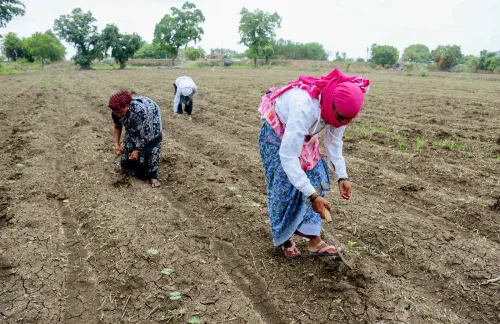
El Niño — a periodic warming of the central and eastern Pacific Ocean — has historically correlated with deficient southwest monsoon rainfall over India, threatening kharif sowing and overall foodgrain output. The government's concern is well-founded: a significant share of India's cultivated area remains rain-fed, making monsoon performance a decisive variable for rural incomes and food security.
Centre-state pre-monsoon coordination meetings have been a standing feature of Indian agricultural governance. A comparable joint review was held in 2015 ahead of that year's strong El Niño event. The Pradhan Mantri Fasal Bima Yojana, launched in 2016, provides crop insurance cover against weather-induced losses, including drought, and forms a key pillar of the existing safety net for farmers facing monsoon failure.
Stakeholders and Impact
The meeting's most direct stakeholders are small and marginal farmers, who have the least capacity to absorb income shocks from a weak monsoon. State agriculture departments are expected to translate the central guidance into district-level contingency plans, including advisories on drought-tolerant seed varieties and adjusted sowing schedules.
District collectors — present at the 23 June meeting — play a pivotal operational role: they are the administrative link between central policy and on-ground relief delivery. Their inclusion signals that the Centre wants contingency frameworks to reach the sub-district level before the monsoon advances further into the country.
What's Next
Attention will now shift to whether states issue formal district-level agricultural contingency plans and whether the Centre releases revised sowing advisories or activates drought-relief financial mechanisms as monsoon 2026 progress becomes clearer over the coming weeks. The coordination framework established at Krishi Bhawan on 23 June will be tested by how quickly these downstream actions materialise on the ground.
The broader implication is that the government is signalling proactive intent early in the season — a posture that, if backed by timely resource deployment, could meaningfully cushion the agricultural economy against a potential below-normal rainfall year.
Point of View
Secretaries, and district collectors in a single room at Krishi Bhawan, Chouhan is deploying the full machinery of centre-state coordination at an unusually early stage of the monsoon season — a deliberate signal of institutional readiness rather than reactive crisis management. The move fits a broader pattern in which the BJP-led Centre has sought to project farmer-centric governance as a political and policy priority, particularly ahead of state elections where rural distress can be a decisive factor. Whether this preparedness translates into on-ground relief will depend on the speed and adequacy of state-level follow-through on contingency plans. The inclusion of district collectors — the last administrative mile — is the most operationally significant detail, suggesting the Centre wants accountability embedded at the sub-district level before the monsoon's critical weeks arrive.
NationPress
22 Sept 2026
Frequently Asked Questions
Why did Shivraj Singh Chouhan hold an El Niño meeting with states?
Shivraj Singh Chouhan convened the meeting on 23 June 2026 at Krishi Bhawan, New Delhi to assess the potential impact of El Niño on Indian agriculture and to coordinate contingency plans — including alternative crop strategies and farmer welfare measures — in case of below-normal monsoon rainfall.
What is El Niño and how does it affect Indian farming?
El Niño is a periodic warming of the central and eastern Pacific Ocean that historically correlates with deficient southwest monsoon rainfall over India , threatening kharif crop sowing, reducing foodgrain output, and lowering rural incomes — particularly for rain-fed farmers.
What is the Pradhan Mantri Fasal Bima Yojana and how does it help farmers during drought?
The Pradhan Mantri Fasal Bima Yojana , launched in 2016 , is a government crop insurance scheme that compensates farmers for losses caused by weather-related events including drought, making it a key financial safety net during El Niño or monsoon-deficient years.
Who attended the El Niño agriculture review meeting on 23 June 2026?
The meeting at Krishi Bhawan was attended by state agriculture ministers , agriculture secretaries , district collectors , and other senior officials from across India, alongside Union Agriculture Minister Shivraj Singh Chouhan .
What contingency measures are being planned for a weak monsoon in 2026?
According to Chouhan 's post, discussions focused on preparations for below-normal rainfall scenarios, alternative crop planning , and mechanisms to protect farmer welfare. Formal district-level contingency plans and revised sowing advisories are expected to follow from state governments.