El Nino impact: PMO reviews monsoon preparedness, 15+ ministries on alert
Synopsis
With India's all-India monsoon deficit still at 12 per cent and a weak-to-moderate El Nino forecast for July-August, the PMO convened more than 15 ministries to stress-test the country's preparedness — from reservoir levels and fodder stocks to crop insurance enrolment and dengue alerts. The signal from the top is clear: treat this as a whole-of-government emergency, not an agriculture department problem.
Key Takeaways
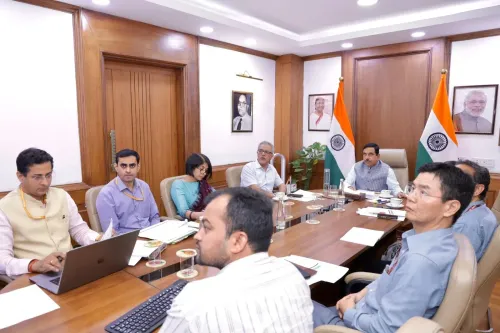
Dr PK Mishra , Principal Secretary to the Prime Minister, chaired a high-level El Nino preparedness review on 7 July in New Delhi .
Monsoon onset was delayed by ~10 days in Gujarat , Madhya Pradesh , Chhattisgarh , and Maharashtra ; all-India rainfall deficit stands at (-) 12% as of 7 July .
A weak to moderate El Nino is expected in July and August ; officials cautioned it does not automatically mean a deficient monsoon year.
Campaigns for Pradhan Mantri Fasal Bima Yojana and Kisan Credit Card coverage have been launched in vulnerable states.
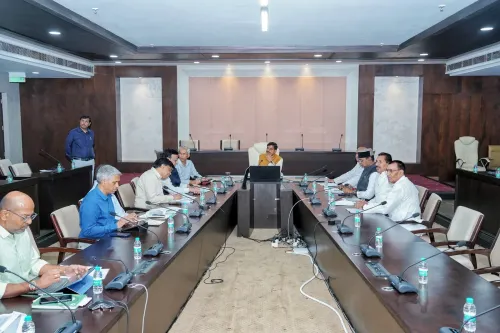
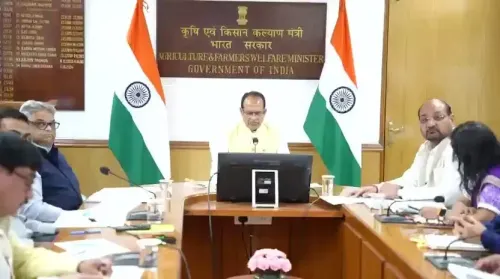
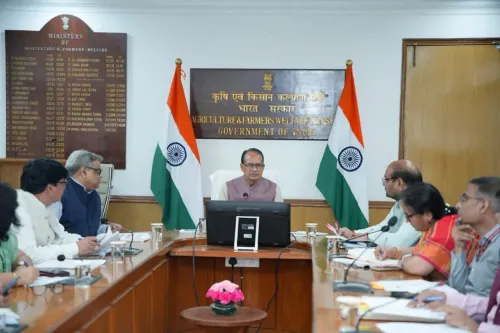
More than 15 ministries — including Agriculture, Power, Health, and Consumer Affairs — participated in the inter-ministerial review.
Adequate buffer stocks of rice , wheat , and pulses confirmed; fertiliser availability reported as sufficient ahead of the Rabi season .
Dr PK Mishra, Principal Secretary to the Prime Minister, on Tuesday, 7 July chaired a high-level inter-ministerial meeting in New Delhi to assess India's preparedness against a possible El Nino-driven disruption to the kharif season and allied sectors. Mishra directed continuous monitoring of the El Nino situation and instructed that the impact of a delayed or deficient monsoon on vulnerable districts be evaluated in close coordination with state governments so that remedial steps can be activated without delay.
Key Directives from the PMO
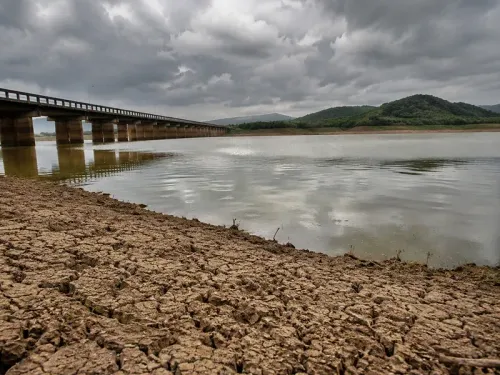
Mishra stressed that ensuring adequate drinking water availability in vulnerable districts must be treated as a top priority. Reservoir levels in at-risk districts are under regular watch, and officials were directed to optimise reservoir water utilisation and promote judicious use of available supplies.
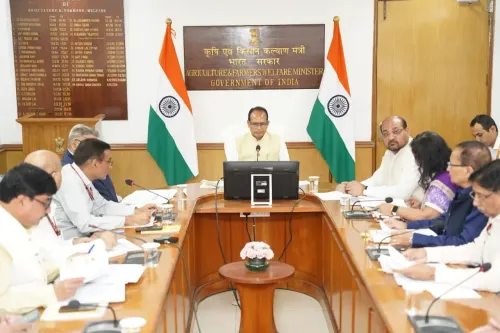
On the agriculture front, Mishra instructed that steps be taken to guarantee sufficient fodder availability, backed by fodder development plans and regular state-level monitoring. The Department of Animal Husbandry and Dairying was specifically asked to assess dry fodder, green fodder, and cattle feed stocks at both macro and micro levels.
Monsoon Status and El Nino Outlook
Officials from the India Meteorological Department (IMD) briefed the meeting on rainfall trends through 7 July. The monsoon onset was delayed by approximately 10 days in Gujarat, Madhya Pradesh, Chhattisgarh, and Maharashtra. However, cumulative rainfall up to 7 July has narrowed the all-India deficit to (-) 12 per cent.
The IMD Director General of Meteorology noted that the first week of July recorded above-normal rainfall. A weak to moderate El Nino is expected through July and August. Critically, officials emphasised that an El Nino year does not necessarily translate into a deficient monsoon season. July alone accounts for more than 30 per cent of the total monsoon season's rainfall, making its monitoring especially significant.
Agriculture and Food Security Measures
The Agriculture Secretary presented a detailed preparedness plan for the kharif season. Campaigns for Pradhan Mantri Fasal Bima Yojana and Kisan Credit Card coverage have been launched in vulnerable states. The Departments of Agriculture, Financial Services, and Cooperation were directed to maximise enrolment in a time-bound manner.
The Department of Consumer Affairs reported on retail price trends and confirmed adequate buffer stocks of rice, wheat, and pulses. The Department of Fertilisers reported sufficient availability and a likely healthy opening balance heading into the Rabi season. Both departments were advised to monitor macro and micro commodity availability continuously.
Health and Heat Wave Preparedness
The Department of Health and Family Welfare has issued advisories covering heat waves, high humidity, and dengue outbreaks. Officials were directed to ensure that alerts and advisories reach the field level effectively, covering last-mile communication to district health authorities.
Who Was in the Room
Secretaries and senior officials from more than 15 ministries attended the meeting, including representatives from Agriculture, Power, Health, Rural Development, Economic Affairs, and Consumer Affairs. The breadth of participation signals that the Centre is treating El Nino preparedness as a whole-of-government challenge rather than an agriculture-only concern.
With July's rainfall trajectory now a critical variable, the next few weeks of IMD data will determine whether the government's contingency plans need to move from standby to active deployment.
Point of View
As reported, is largely directional: monitor, coordinate, ensure coverage. The harder question is whether district-level machinery — chronically under-resourced — can actually execute on advisories fast enough when a heat wave or fodder crisis materialises. India has a creditable early-warning architecture on paper; the gap has historically been last-mile delivery. Whether this review translates into funded, time-bound action plans at the district level, or remains a high-table exercise, will determine its real value.
NationPress
6 Oct 2026
Frequently Asked Questions
What is El Nino and why is India concerned about it?
El Nino is a periodic warming of the central and eastern Pacific Ocean that typically suppresses monsoon rainfall over South Asia. India is concerned because a deficient monsoon can hurt kharif crop output, drive up food prices, and stress water supplies in vulnerable districts — all of which the PMO's 7 July review was designed to pre-empt.
What is the current monsoon deficit in India as of July 7?
As of 7 July, India's all-India cumulative rainfall deficit stands at (-) 12 per cent, down from higher levels earlier in the season. The first week of July recorded above-normal rainfall, which helped narrow the gap.
Which states faced a delayed monsoon onset?
The monsoon onset was delayed by approximately 10 days in Gujarat, Madhya Pradesh, Chhattisgarh, and Maharashtra, according to IMD officials who briefed the high-level meeting.
What steps are being taken to protect farmers during El Nino?
Campaigns for Pradhan Mantri Fasal Bima Yojana (crop insurance) and Kisan Credit Card coverage have been launched in vulnerable states. The Agriculture, Financial Services, and Cooperation departments were directed to maximise enrolment in a time-bound manner.
Which ministries were represented at the PMO's El Nino review meeting?
More than 15 ministries attended, including Agriculture, Power, Health, Rural Development, Economic Affairs, and Consumer Affairs. Senior secretaries and IMD officials were also present, reflecting the whole-of-government approach the Centre is adopting.