Pralhad Joshi Chairs El Niño Food Security Review
Synopsis
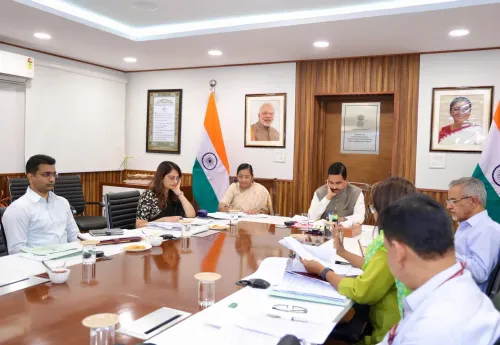
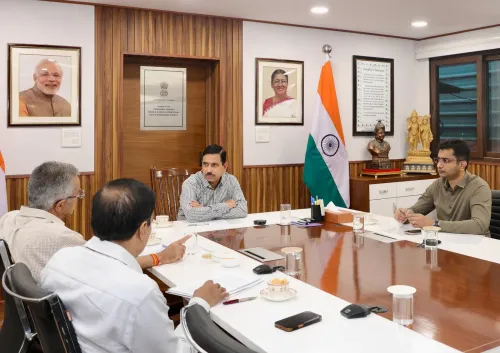
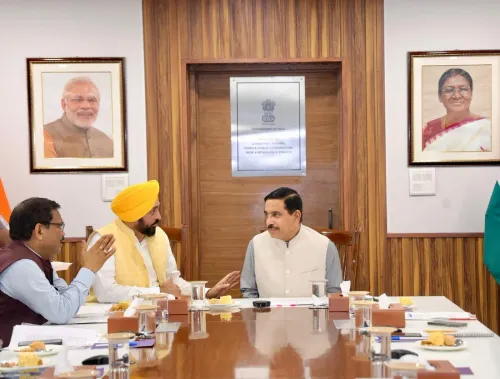
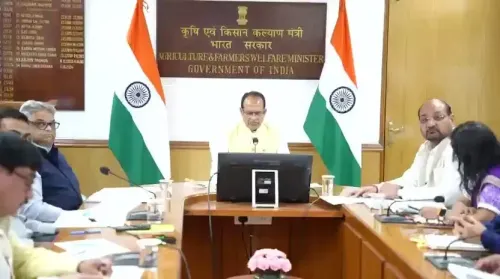
Union Consumer Affairs Minister Pralhad Joshi on 13 July 2026 chaired a high-level review with food department officials to evaluate El Niño's potential threat to India's agriculture, food availability, and price stability, stressing proactive coordination and timely interventions.
Key Takeaways
Union Consumer Affairs Minister Pralhad Joshi chaired a review meeting with senior Department of Food and Public Distribution officials on 13 July 2026 .
The meeting focused on El Niño's potential impact on agriculture, food availability, and price stability across India.
Agenda items included preparedness measures, crop outlook, procurement strategies, and essential commodity availability.
Minister Joshi emphasised coordination among all stakeholders and proactive planning to protect consumer interests.
The Food Corporation of India (FCI) maintains strategic buffer stocks of wheat and rice that can be deployed to stabilise markets during supply shocks.
The National Food Security Act, 2013 makes price and availability stability a legal obligation for the government.
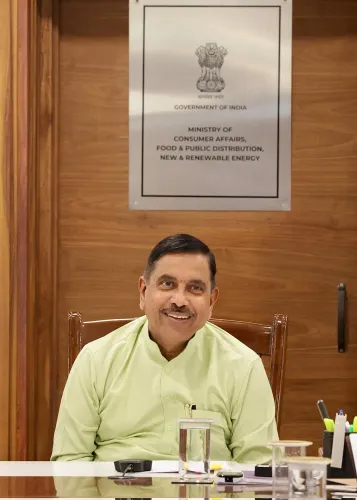
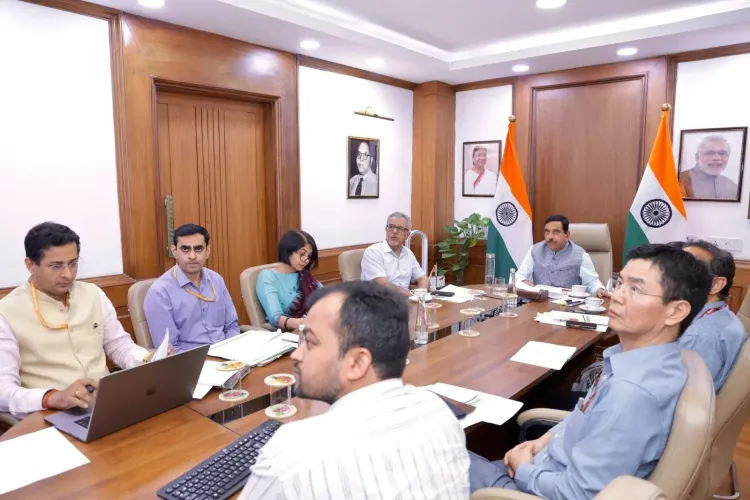
Union Consumer Affairs Minister Pralhad Joshi on Monday, 13 July 2026 chaired a high-level review meeting with senior officials of the Department of Food and Public Distribution to assess the potential impact of El Niño on agriculture, food availability, and price stability across India.
Context
The meeting examined preparedness measures, crop outlook, procurement strategies, and the availability of essential commodities. Minister Joshi underscored the need for 'close coordination among all stakeholders, timely interventions and proactive planning to safeguard food security, protect consumer interests and ensure adequate availability of essential commodities across the nation.'
El Niño is a recurring climate phenomenon linked to weakened Indian monsoon rainfall. Past episodes — most notably 2015-16 — triggered significant agricultural stress and upward pressure on food prices, prompting similar emergency reviews by the food ministry.
Policy Backdrop
The Department of Food and Public Distribution operates under the Ministry of Consumer Affairs, Food and Public Distribution and oversees procurement, storage, and distribution through the Public Distribution System (PDS). The Food Corporation of India (FCI), its principal implementing arm, maintains strategic buffer stocks of wheat and rice that can be released into open markets to dampen price spikes during supply shocks.
The National Food Security Act, 2013 provides statutory entitlements to subsidised food grains for a large section of the population, making price and availability stability a legal as well as a humanitarian obligation. Annual pre-monsoon coordination meetings between the food ministry, state governments, and the FCI have been institutionalised since at least 2014, reflecting a cross-government consensus that El Niño monitoring is a routine but critical risk-management exercise.
Successive administrations have used open-market sales, export restrictions, and accelerated procurement to prevent headline inflation from rising when kharif output comes under pressure — a pattern visible across multiple monsoon seasons irrespective of the party in power.
Stakeholders and Impact
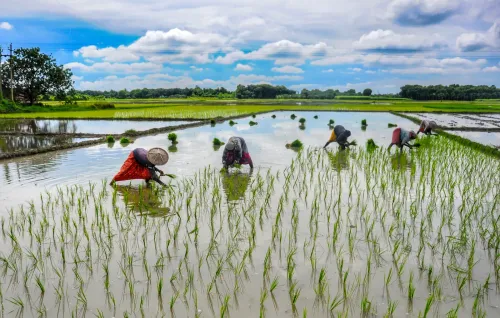
Consumers — particularly low-income households dependent on the PDS — stand to be most directly affected by any supply disruption or price spike in staples such as rice, wheat, and pulses. Farmers face a dual risk: a deficient monsoon can reduce kharif yields while simultaneously prompting procurement policy changes that affect their income.
State governments are key partners in the distribution chain and will need to align their own buffer-stocking and welfare-distribution plans with central directives. The review meeting signals that the Centre is seeking early alignment with states before the monsoon season reaches its critical mid-phase.
What's Next
Attention will now turn to the India Meteorological Department's revised long-range monsoon forecast and the FCI's procurement figures for the 2026-27 season, both of which will shape the government's next set of interventions. Any significant downward revision in rainfall estimates or kharif sowing data could prompt further policy action — including adjustments to minimum support prices, buffer-stock norms, or export controls on key commodities.
The proactive review posture adopted by Minister Joshi suggests the government intends to get ahead of any supply-side disruption rather than respond reactively to retail price pressures.
Point of View
When kharif sowing data begins to crystallise — reflects a well-established institutional reflex within India's food ministry to get ahead of climate-driven supply shocks. By publicly signalling a high-level review, Minister Joshi is also managing expectations: communicating government vigilance to markets and consumers before any price pressure materialises. The emphasis on 'proactive planning' fits a broader BJP governance narrative of anticipatory policy action, though the real test will come in the procurement and open-market-release decisions that follow. How swiftly the Centre aligns state governments and calibrates FCI buffer releases will determine whether this review translates into effective price stability or remains a procedural exercise.
NationPress
12 Oct 2026
Frequently Asked Questions
Why is El Niño a concern for India's food security?
El Niño weakens the Indian monsoon, reducing rainfall and kharif crop yields. This can lead to shortages of staples like rice and wheat, pushing up food prices and straining the Public Distribution System that millions of low-income households depend on.
What did Pralhad Joshi's food security review meeting cover?
The 13 July 2026 meeting reviewed El Niño's potential impact on agriculture and price stability, examining preparedness measures, crop outlook, procurement strategies, and the availability of essential commodities.
What is the role of the Food Corporation of India in managing El Niño risk?
The Food Corporation of India maintains strategic buffer stocks of wheat and rice. During supply shocks it can release these stocks into open markets through schemes like the Open Market Sale Scheme to prevent retail prices from rising sharply.
How does the National Food Security Act relate to this review?
The National Food Security Act, 2013 legally entitles a large section of India's population to subsidised food grains through the PDS. Any threat to food availability or price stability is therefore not just a policy concern but a statutory obligation the government must address.
What should we watch for after this El Niño food security review?
Key indicators to track include the India Meteorological Department's revised monsoon forecast, kharif sowing progress, and the Food Corporation of India's procurement figures for the 2026-27 season, all of which will shape the government's next interventions.