Pralhad Joshi Reviews Onion Procurement to Stabilise Prices
Synopsis
Union Consumer Affairs Minister Pralhad Joshi on 22 June 2026 reviewed onion procurement operations with central agencies, focusing on expediting buffer stocks and market interventions to balance farmer welfare with consumer price stability ahead of the monsoon and festival season.
Key Takeaways
Union Consumer Affairs Minister Pralhad Joshi chaired a review of onion procurement operations on 22 June 2026 .
Discussions focused on expediting procurement, maintaining buffer stocks and strengthening market interventions.
The government stated its commitment to balancing farmer welfare with consumer price stability .
The Price Stabilisation Fund (PSF) , set up in 2014-15 , is the primary mechanism for central onion procurement and buffer stocking.
The review comes ahead of the lean monsoon and festival months — historically the period of sharpest onion price volatility in India.
The meeting was flagged publicly via the Jago Grahak Jago consumer awareness platform, signalling a transparency push.
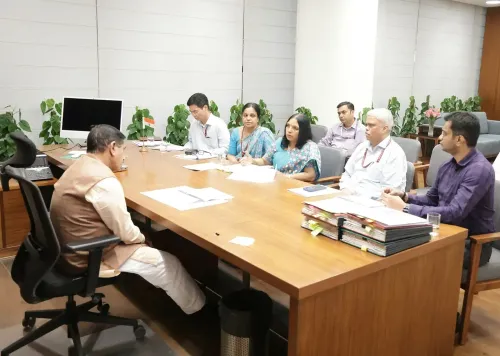
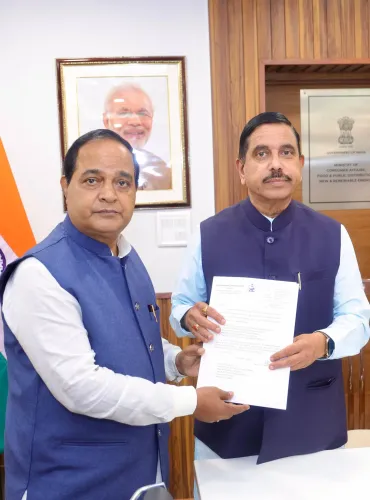
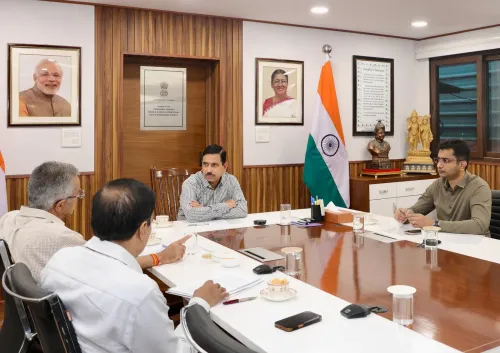
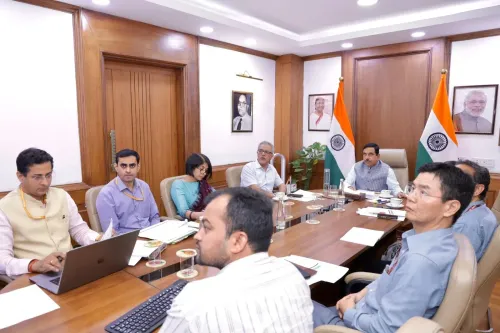
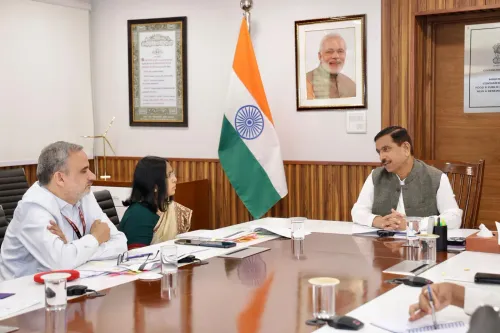
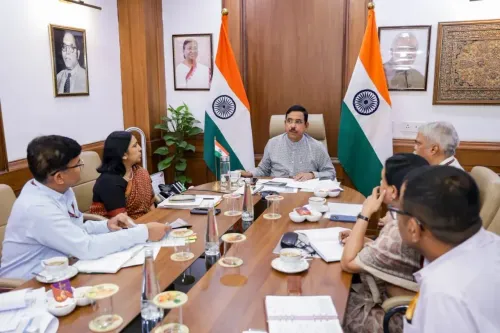
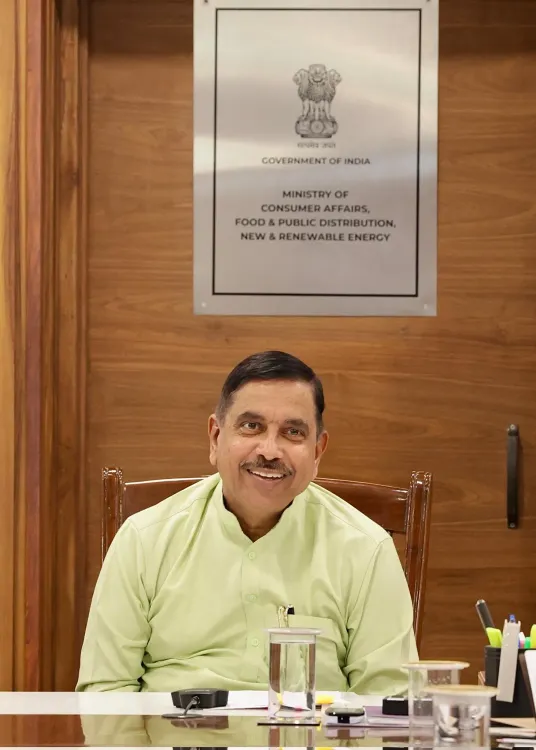
Union Consumer Affairs Minister Pralhad Joshi on Monday, 22 June 2026 chaired a review meeting with procurement agencies and officials of the Department of Consumer Affairs to assess ongoing onion procurement operations, signalling the government's intent to pre-empt seasonal price spikes before the monsoon and festival season.
Posting on X, the Minister said discussions centred on 'expediting procurement, maintaining adequate buffer stocks and strengthening market interventions to safeguard consumer interests,' adding that the government remains 'committed to balancing farmer welfare with price stability through proactive and timely measures.' The post was tagged to the official consumer awareness handle @jagograhakjago, underlining the public-communication dimension of the exercise.
Context
Onion prices in India are perennially volatile, driven by seasonal production cycles, erratic monsoon patterns and logistical bottlenecks between farm-gate and retail markets. The lean months preceding the kharif harvest and the festival season — roughly June through October — are historically when retail prices spike most sharply, straining household budgets and triggering political pressure on the Union government.
Central procurement and buffer-stocking have become the government's primary administrative lever in such periods. The review meeting convened by Minister Joshi fits squarely within that recurring cycle of pre-emptive intervention.
Policy Backdrop
The institutional architecture for these interventions rests on two pillars. The Price Stabilisation Fund (PSF), established in 2014-15, enables central agencies to procure onions and potatoes at farm level and release them into retail channels when prices breach threshold levels. The Operation Greens scheme, launched in 2018, further strengthened value chains and logistics for onions, tomatoes and potatoes — collectively known as TOP crops.
The Department of Consumer Affairs also runs the Jago Grahak Jago consumer awareness campaign, which monitors retail prices across mandis and disseminates price data to help consumers make informed choices. By tagging the campaign handle in his post, Minister Joshi reinforced the link between operational procurement decisions and public-facing price transparency.
Stakeholders and Impact
Onion farmers — concentrated in Maharashtra, Karnataka, Madhya Pradesh and Rajasthan — stand to benefit if procurement agencies absorb surplus at remunerative prices during harvest, reducing distress sales. At the same time, urban consumers, for whom onion is a dietary staple, are protected when buffer stocks are released to moderate retail inflation.
The dual mandate — farmer welfare and consumer price stability — is structurally difficult to reconcile, since higher farm-gate prices tend to translate into higher retail prices. The government's stated approach of 'proactive and timely measures' reflects an attempt to manage both ends of this chain simultaneously through calibrated procurement and release cycles.
What's Next
The critical decisions to watch are quarterly buffer stock release targets and any revision to procurement volumes that the Department of Consumer Affairs announces in the coming weeks. With the monsoon season underway and the festival calendar approaching, the pace at which procured stocks are built up and subsequently released into retail markets will determine whether the government's intervention translates into tangible price relief for consumers.
Minister Joshi's review signals that the Centre intends to act ahead of the curve rather than reactively — a posture that, if backed by adequate procurement volumes and swift logistics, could help contain the onion price cycle that has historically caught administrations off guard.
Point of View
And the BJP-led Centre has faced criticism in previous cycles for reactive rather than anticipatory interventions. By convening and publicising this review in June, the government is positioning itself as ahead of the curve ahead of the high-risk monsoon and festival window. Whether the intervention delivers price relief will depend on procurement volumes and release timing — details that will emerge in the weeks ahead.
NationPress
21 Sept 2026
Frequently Asked Questions
Why is the government procuring onions and building buffer stocks?
The government procures onions through central agencies and builds buffer stocks under the Price Stabilisation Fund to release them into retail markets when prices spike, moderating volatility for consumers during lean months.
What is the Price Stabilisation Fund and how does it work for onions?
The Price Stabilisation Fund, established in 2014-15, enables the central government to procure essential commodities like onions and potatoes at farm level and release them through retail channels when retail prices rise sharply.
What did Pralhad Joshi say about onion procurement in June 2026?
Minister Pralhad Joshi said the review focused on expediting procurement, maintaining adequate buffer stocks and strengthening market interventions, reaffirming the government's commitment to balancing farmer welfare with price stability.
What is Jago Grahak Jago and why was it tagged in the minister's post?
Jago Grahak Jago is the Department of Consumer Affairs' consumer awareness campaign that monitors retail prices and promotes consumer rights; tagging it underlines the government's intent to keep the public informed about price-related interventions.
When do onion prices typically spike in India?
Onion prices in India typically spike during the lean months between June and October, when the previous harvest is exhausted and the kharif crop is yet to arrive, coinciding with the monsoon and the start of the festival season.