White House Targets Birthright Citizenship, Birth Tourism
Synopsis
The White House, backed by senior adviser Stephen Miller, is pushing to restrict automatic birthright citizenship for children of undocumented immigrants and ban birth tourism — reviving a contested constitutional battle that defined Trump's first term and now appears to be escalating into concrete action.
Key Takeaways
The White House announced steps to restrict birthright citizenship for children of undocumented immigrants and ban birth tourism.
Senior adviser Stephen Miller is the public face of the policy push, framing it as protecting the value of American citizenship.
In 2018 , President Trump first floated an executive order reinterpreting the 14th Amendment to end automatic birthright citizenship.
In 2019 , the administration restricted B-1/B-2 visas for pregnant foreign nationals to curb birth tourism.
Any executive action on the 14th Amendment is expected to face immediate legal challenges and likely Supreme Court review.
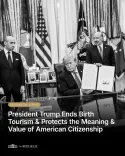
The White House is doubling down on one of the most legally contested fronts in American immigration policy — birthright citizenship — signalling fresh action to restrict automatic citizenship for children born on US soil to undocumented immigrants, and a renewed push to ban birth tourism.
What the White House is pushing on citizenship
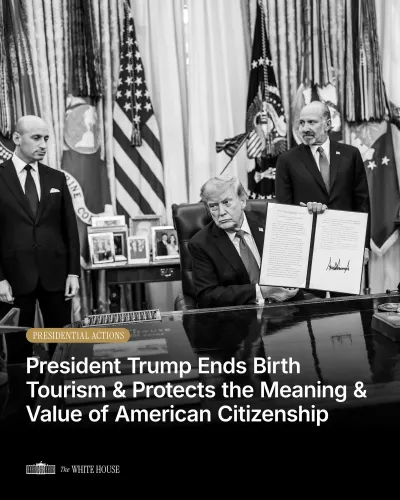
The administration's post, amplifying remarks by senior adviser Stephen Miller, frames the move as protecting 'the value of American citizenship' — targeting what it describes as large numbers of people who 'wrongly' receive birthright citizenship. The reference is to children born in the United States to parents who are undocumented or on temporary visas, who currently acquire citizenship automatically under a longstanding interpretation of the 14th Amendment.
That interpretation — that birth on US soil confers citizenship regardless of parental status — has been settled practice for over a century, but the Trump administration has consistently argued it was never meant to extend to children of those with no lawful permanent status in the country.
Trump's first-term groundwork and the 14th Amendment battle
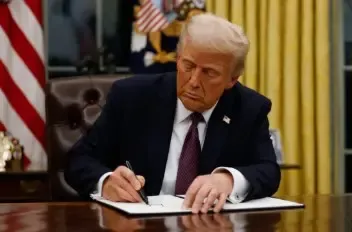
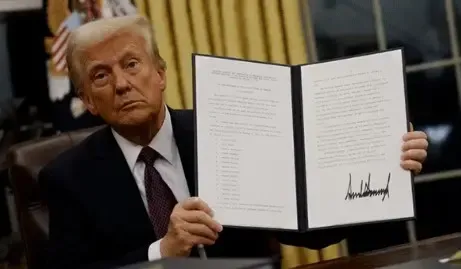
This is not new territory for President Donald Trump. As far back as 2018, Trump publicly floated an executive order to reinterpret the 14th Amendment and end automatic birthright citizenship for children of undocumented immigrants — a move legal scholars widely flagged as constitutionally fraught. In 2019, the administration took a more targeted step, issuing rules to restrict B-1/B-2 tourist visas for pregnant foreign nationals, explicitly aimed at curbing the 'birth tourism' industry — where foreign nationals travel to the US specifically to give birth and secure citizenship for their child.
The current push appears to extend that arc: tightening both the citizenship eligibility question and the visa-access route that enables birth tourism.
Miller's role and the administration's immigration blueprint
Stephen Miller, the architect of the administration's most restrictive immigration positions across both Trump terms, is the face of this messaging. His influence runs through policies targeting chain migration, asylum pathways, and now the citizenship-at-birth question. The White House framing — 'bold and impressive record on securing our borders' — positions these moves as achievements, not proposals, suggesting regulatory or executive action may already be in motion rather than merely being signalled.
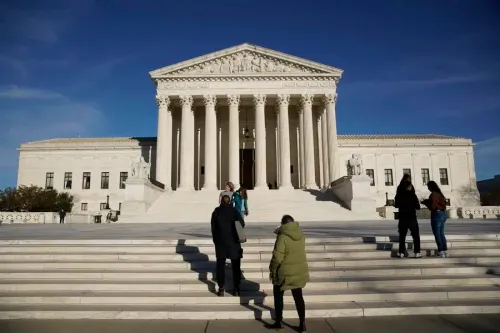
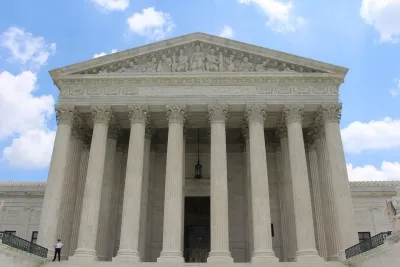
Any executive order reinterpreting the 14th Amendment would face near-certain immediate legal challenge, with the Supreme Court as the ultimate arbiter of whether birthright citizenship can be narrowed without a constitutional amendment.
The fight over who counts as American — and who gets to decide — is heading back to the courts. And this time, the administration is betting it has built enough of a record to make it stick.
Point of View
The administration is building a two-track pressure campaign — one targeting undocumented immigrants, another targeting visa-holding foreign nationals — that broadens the political coalition behind the effort. For India, which accounts for a significant share of B-1/B-2 visa holders and has a documented birth tourism footprint in the US, tighter visa scrutiny for pregnant travellers could have direct consular and diplomatic implications. The ultimate test remains the Supreme Court, where the administration appears willing — and perhaps eager — to force a definitive ruling on the 14th Amendment's scope.
NationPress
7 Aug 2026
Frequently Asked Questions
What is birthright citizenship in the United States?
Birthright citizenship is the legal right of any person born on US soil to automatically acquire American citizenship, derived from the 14th Amendment to the Constitution. It applies regardless of the immigration status of the child's parents under longstanding legal interpretation.
Can Trump end birthright citizenship by executive order?
Legal scholars broadly argue that ending birthright citizenship would require a constitutional amendment, not just an executive order, since the right is enshrined in the 14th Amendment. Any executive action would face immediate court challenges and likely reach the Supreme Court.
What is birth tourism and why is the US targeting it?
Birth tourism refers to the practice of foreign nationals travelling to the United States specifically to give birth, so their child acquires US citizenship. The Trump administration first moved to restrict it in 2019 by tightening B-1/B-2 tourist visas for pregnant foreign nationals.
Who is Stephen Miller and what is his role in Trump's immigration policy?
Stephen Miller is a senior White House adviser and the principal architect of the Trump administration's immigration restriction agenda across both terms. He has driven policies targeting chain migration, asylum, visa categories, and now birthright citizenship.
How does the US birthright citizenship debate affect Indians?
India is among the top countries whose nationals hold B-1/B-2 visas to the US. A stricter birth tourism ban could mean heightened scrutiny for pregnant Indian travellers seeking US visas, and any change to birthright citizenship rules would affect Indian-origin families with children born in the United States.