US Supreme Court Set to Examine Birthright Citizenship Controversy
Synopsis
The US Supreme Court prepares to deliberate on a critical case regarding birthright citizenship, challenging President Trump's efforts to limit automatic citizenship for certain non-citizen children. This landmark case could redefine the interpretation of the 14th Amendment and its implications for immigration law.
Key Takeaways
The US Supreme Court is set to hear a pivotal case on birthright citizenship.
President Trump's executive order could redefine citizenship based on parental legal status.
The case centers around the interpretation of the 14th Amendment .
Opponents argue that the executive branch cannot override constitutional protections.
A ruling could have significant implications for immigration policy.
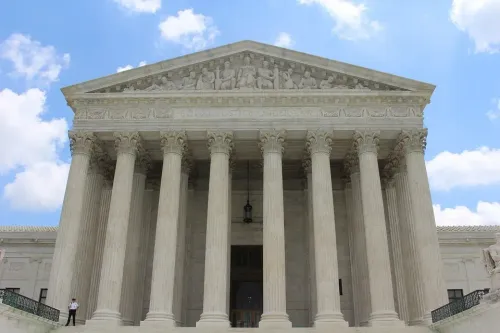
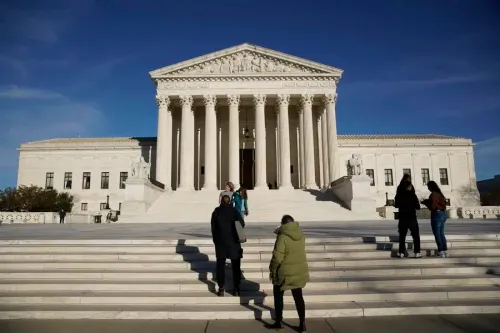
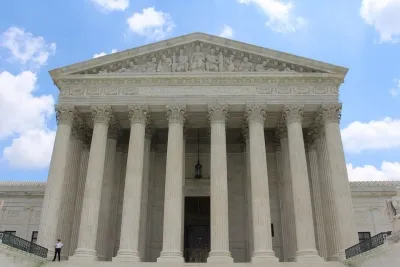
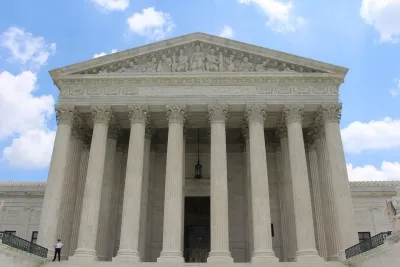
Washington, March 31 (NationPress) The US Supreme Court is set to hear pivotal arguments regarding birthright citizenship, a case that challenges President Donald Trump’s efforts to limit automatic citizenship for offspring of certain non-citizens. This case could significantly alter the interpretation of the 14th Amendment and longstanding legal principles.
The focus of the case is an executive order from Trump that instructs federal agencies to withhold citizenship from children born in the US to parents who are in the country illegally or on temporary visas. This directive has faced opposition in lower courts, leading to a major legal confrontation at the highest court in the land.
Central to this legal battle is the 14th Amendment, which provides citizenship to individuals born on US soil and those “subject to the jurisdiction thereof.” This wording has historically been understood to guarantee birthright citizenship.
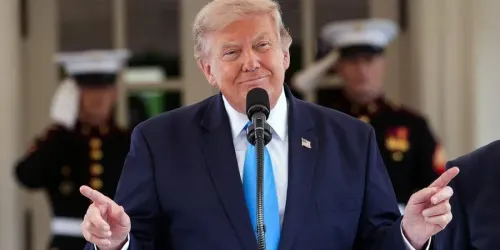
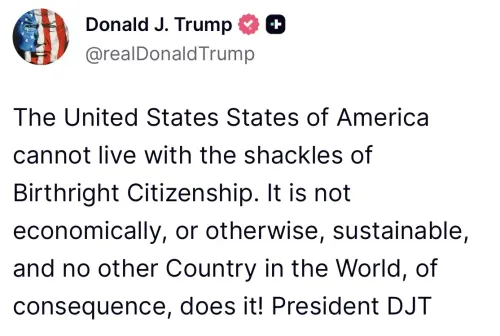
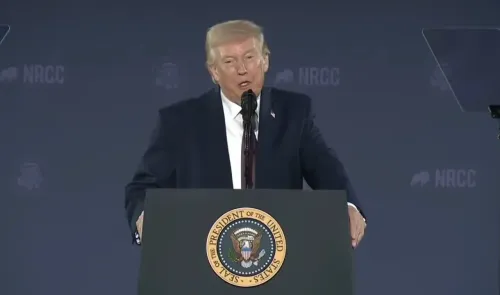
Trump has staunchly defended his stance, asserting that the Constitution was never intended to apply to all children born within the United States, particularly those with parents lacking permanent legal status.
In a post on Truth Social, Trump criticized the existing system, claiming it allows foreign nationals to obtain citizenship for their children “For Pay.”
“Birthright Citizenship is not about affluent individuals from China and elsewhere who wish to buy citizenship for their children,” he stated. “It is fundamentally about the BABIES OF SLAVES! We are the only country in the world that even entertains this topic.”
Trump also expressed his frustration with the judiciary, claiming, “The world is profiting from selling citizenships to our nation, while simultaneously mocking the incompetence of our US court system.”
“Dumb judges and justices will not create a great country!” he asserted.
Opponents of the executive order include civil rights organizations and several states, arguing that established legal precedent supports birthright citizenship and that the executive branch cannot supersede the Constitution.
The ruling of this case could have significant implications for immigration policy and redefine citizenship in the United States, potentially affecting thousands of births annually.
The Supreme Court is anticipated to issue its decision later this year, with legal experts suggesting this could rank among the most consequential constitutional rulings in decades.
Birthright citizenship finds its roots in the 14th Amendment, ratified in 1868 in the aftermath of the Civil War, aimed at securing citizenship for former slaves and overturning the Dred Scott decision.
In the landmark case of United States v. Wong Kim Ark in 1898, the Supreme Court affirmed that children born in the US to foreign parents are citizens—an interpretation that has shaped US law for over a century.
Legal analysts suggest that this case may test the boundaries of executive authority, potentially prompting the court to reevaluate established legal doctrines while also acknowledging the significance of precedent.
This case has garnered international attention, given that many countries possess different rules for citizenship, often granting it based on parentage rather than place of birth. The United States has traditionally maintained a more expansive approach.
As the justices review historical context and legal precedents, they will scrutinize the phrase “subject to the jurisdiction thereof.” Their ruling could offer clarity regarding its interpretation.
A decision favoring the administration could represent a significant shift, potentially narrowing the scope of birthright citizenship and inviting further legal challenges.
Point of View
This case represents a significant moment in US legal history. It poses critical questions about the balance of power between the executive and judicial branches, while also addressing the broader implications for immigration policy and the fundamental principles of citizenship established in the Constitution.
NationPress
7 Oct 2026
Frequently Asked Questions
What is the significance of the 14th Amendment?
The 14th Amendment grants citizenship to anyone born in the United States and has been interpreted to ensure birthright citizenship for generations.
What does President Trump's executive order entail?
Trump's executive order seeks to deny citizenship to children born in the US to parents who are unlawfully present or hold temporary visas.
How could the Supreme Court's ruling impact immigration policy?
A ruling in favor of the administration could narrow the definition of birthright citizenship, potentially affecting thousands of births each year.
When is the Supreme Court expected to make a ruling?
The Supreme Court is anticipated to issue its ruling later this year.
What historical case supports birthright citizenship?
The 1898 Supreme Court case United States v. Wong Kim Ark established that children born in the US to foreign parents are citizens.