Supreme Court Considers the Future of Birthright Citizenship in America
Synopsis
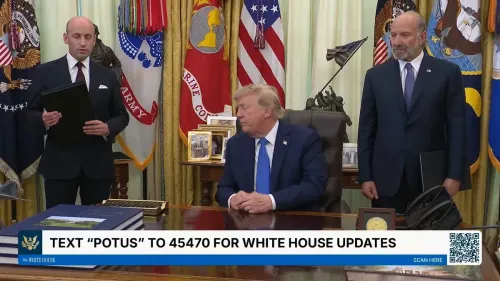
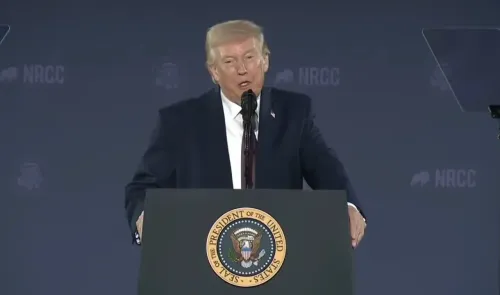
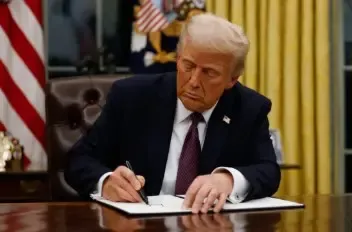
The US Supreme Court recently deliberated on the contentious issue of birthright citizenship, as the Trump administration pushes for a restrictive interpretation of the 14th Amendment, raising questions about the citizenship rights of children born to undocumented immigrants and temporary visitors.
Key Takeaways
The Supreme Court is reviewing birthright citizenship under the 14th Amendment.
The Trump administration advocates for a narrower interpretation.
Historical context links birthright citizenship to post-Civil War rights.
This case could affect thousands of children born in the US each year.
Potential implications for immigration policy are significant.
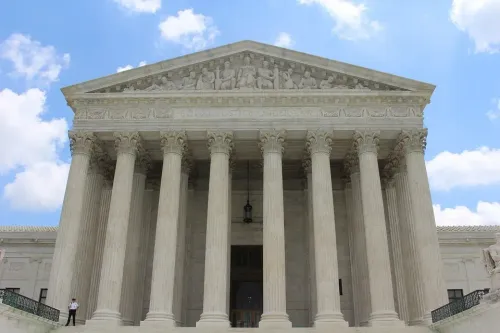
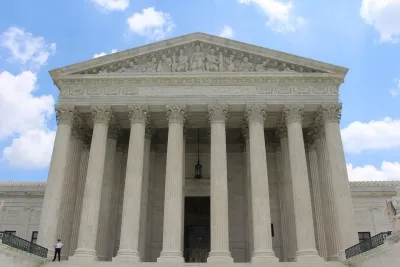
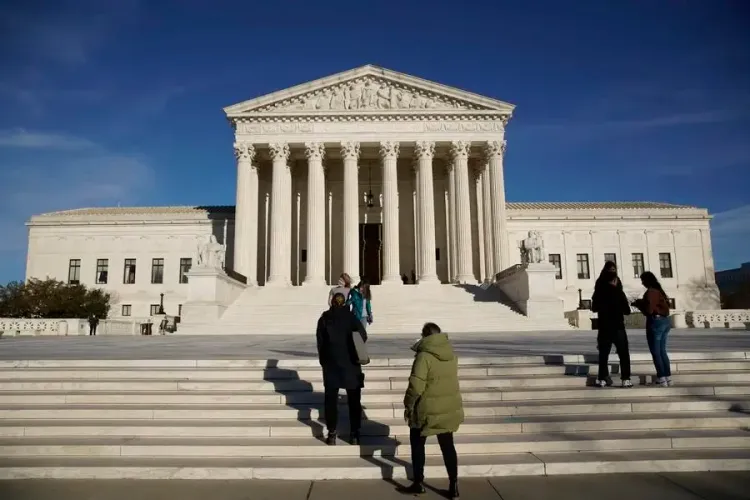
Washington, April 2 (NationPress) The US Supreme Court engaged in extensive debates regarding whether the Constitution secures citizenship for all individuals born on American soil, as the Trump administration advocated for a more restricted interpretation that could potentially exclude children of undocumented immigrants and temporary visitors.
During the proceedings on Wednesday (local time), Solicitor General John Sauer argued on behalf of the government, asserting that the 14th Amendment’s citizenship clause was never intended to apply broadly.
“The clause does not grant citizenship to the offspring of temporary visa holders or undocumented immigrants,” he stated, highlighting that it necessitates “direct and immediate allegiance” to the United States.
Sauer grounded his argument in historical context, claiming that the Amendment was established post-Civil War primarily to ensure citizenship for freed slaves and their descendants. He contended that allegiance—connected to lawful residency—was critical to that promise, not merely the act of being born on US territory.
He conveyed to the justices that granting automatic citizenship to all births “demeans the invaluable and significant privilege of American citizenship” and encourages illegal immigration, including what he termed a burgeoning “birth tourism” phenomenon.
Several conservative justices queried whether the phrase “subject to the jurisdiction thereof” could support such limitations. Justice Samuel Alito questioned whether a general constitutional principle could adapt to modern challenges like illegal immigration, which was not present in the same manner in 1868.
Conversely, some justices expressed doubts. Justice Elena Kagan remarked that the administration’s stance seemed “revisionist,” noting that for over a century, both courts and the public have interpreted birthright citizenship broadly as established in United States v. Wong Kim Ark.
Justice Ketanji Brown Jackson challenged whether the government was altering the definition of “allegiance” beyond its traditional meaning, pointing out that even temporary visitors are subject to US laws and protections while on American soil.
Representing the challengers, counsel defended the long-standing view that nearly anyone born in the United States is a citizen. “Ask any American… everyone born here is a citizen equally,” she remarked, referring to the rule as a “fixed bright line” rooted in English common law and upheld by legal precedents.
She emphasized that the Supreme Court’s 1898 decision in Wong Kim Ark established that being born on US soil—aside from a few exceptions like children of diplomats—grants citizenship, irrespective of the parents' status.
Contemplating the practical implications of the government’s argument, justices deliberated how officials would ascertain a newborn’s citizenship at birth, including whether parental immigration status or intent to stay would need to be evaluated individually.
Sauer clarified that the administration’s policy would depend on “objectively verifiable” immigration status rather than subjective intent, and would be applied moving forward.
This case holds significant implications, potentially impacting thousands of children born each year in the United States and raising constitutional inquiries about the extent of congressional and executive authority over citizenship matters.
Ratified in 1868, the 14th Amendment states that “all persons born or naturalized in the United States, and subject to the jurisdiction thereof, are citizens.”
This was enacted in the wake of the Civil War to reverse the Supreme Court’s Dred Scott decision, which had denied citizenship rights to African Americans.
Point of View
The Supreme Court is faced with a critical examination of birthright citizenship, questioning the interpretations of the 14th Amendment. The arguments presented could reshape the understanding of citizenship in America, reflecting the ongoing debates surrounding immigration and national identity.
NationPress
19 Sept 2026
Frequently Asked Questions
What is the 14th Amendment?
The 14th Amendment, ratified in 1868, grants citizenship to all persons born or naturalized in the United States, ensuring they are subject to US jurisdiction.
What does birthright citizenship mean?
Birthright citizenship refers to the right of anyone born on US soil to automatically acquire US citizenship, regardless of their parents' immigration status.
Why is this Supreme Court case significant?
This case could alter the longstanding interpretation of birthright citizenship, potentially affecting thousands of children born annually in the US.
How might the Trump administration's stance impact immigration?
If the court sides with the Trump administration, it could lead to restrictions on citizenship for children of undocumented immigrants and temporary visitors, influencing immigration patterns.
What historical context supports birthright citizenship?
The concept of birthright citizenship was established post-Civil War to ensure that freed slaves and their descendants were granted citizenship rights.