Trump renews $100,000 H-1B fee, tightens layoff scrutiny for employers
Synopsis
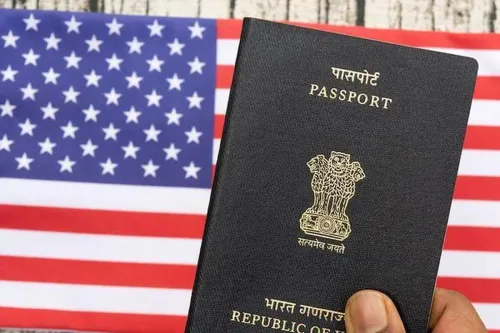
Trump has renewed the $100,000 H-1B fee and ordered agencies to weigh employer layoffs when processing visa applications — the latest in a string of measures that have already slashed outsourcing-firm registrations by 92%. With allegations of 800,000–1.3 million US job losses tied to tech H-1B sponsors, Indian IT workers and outsourcing giants are squarely in the crosshairs.
Key Takeaways
President Trump renewed the $100,000 H-1B fee on 19 September 2026 , first imposed a year earlier.
A new executive order directs agencies to factor in employer layoffs over the previous year — or planned cuts — when assessing H-1B applications.
The order does not mandate automatic rejection solely because an employer has announced layoffs.
Registrations from large IT outsourcing firms reportedly fell 92% since the 2025 proclamation; consular processing requests dropped nearly 97% .
The order alleges tech employers sought H-1B visas while laying off between 800,000 and 1.3 million US workers from 2022 to 2026 .
A December 2025 DHS wage-weighted selection rule already cut H-1B registrations by almost 40% in fiscal year 2027.
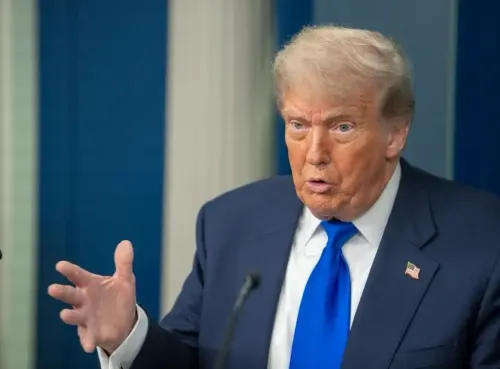
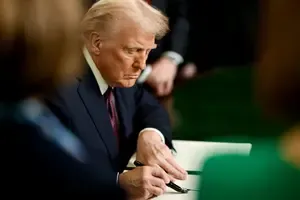
President Donald Trump on 19 September 2026 renewed a $100,000 fee for certain H-1B visa applications and signed an executive order directing federal agencies to subject sponsoring employers to closer scrutiny if they have laid off — or plan to lay off — American workers. The measures, detailed in a White House fact sheet and the order itself, mark a fresh escalation in the administration's effort to restrict the skilled-worker visa programme.
Key Provisions of the Executive Order
The order directs the secretaries of state, labour, and homeland security to consider whether an employer has carried out layoffs in the previous year — or is planning future cuts affecting similarly situated US workers — when assessing labour condition applications, petitions, visas, and entry into the United States. Crucially, the order stops short of mandating automatic rejection solely on the basis of announced layoffs.
A 30-day deadline has been set for the labour secretary, acting through the Wage and Hour Division, to begin reviewing data from previously submitted labour condition applications to determine whether further action against sponsoring employers is warranted.
The $100,000 Fee Renewed
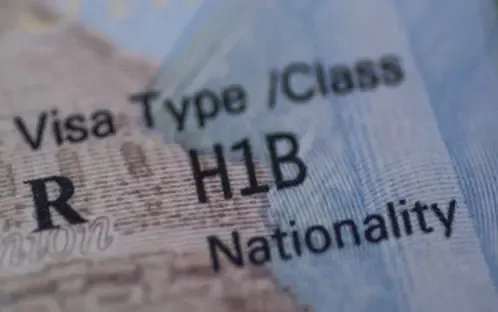
A separate proclamation renewed the $100,000 fee requirement first imposed on 19 September 2025. The White House fact sheet described the charge as applying to certain H-1B applications but did not specify the renewal's duration or detail any exemptions. The fee's renewal follows what the administration characterised as a significant drop in applications from large outsourcing firms — registrations from the biggest information technology outsourcing companies reportedly fell 92% since the 2025 proclamation took effect, alongside a nearly 97% decline in consular processing requests.
Allegations Against Tech Employers
The executive order alleged that technology employers had collectively sought H-1B visas for hundreds of thousands of workers while laying off between 800,000 and 1.3 million American employees from 2022 through 2026. It further alleged that some employers misrepresented job duties, working conditions, or applicants' qualifications. Neither the order nor the fact sheet included responses from employers or outsourcing firms to those allegations.
'I have determined that continued efforts must be made to protect and prioritize the American workforce,' Trump stated in the order.
Wider Agency Coordination
The order mandates that the departments of state, labour, and homeland security consult the commerce and education departments and the Small Business Administration when processing H-1B cases. Those agencies will supply wage, employment, academic, industrial, and broader economic data to help assess compliance with statutory requirements — a structural expansion of inter-agency oversight.
Background: A Year of Tightening
The latest measures build on a series of restrictions introduced over the past year. A December 2025 rule by the Department of Homeland Security replaced the previous random lottery selection with a system weighted by wage level. According to the White House, fiscal year 2027 marked its first operational use, and H-1B registrations dropped by almost 40% as a result. This comes amid a broader political push by the Trump administration to prioritise domestic hiring and reduce reliance on foreign skilled labour, which critics argue could hurt US technology competitiveness and affect hundreds of thousands of Indian workers who make up the majority of H-1B visa holders.
Point of View
000 fee and the layoff-scrutiny order are less about fixing a broken visa system and more about making H-1B economically unviable for mid-tier outsourcing firms — a goal the data suggests is already being achieved, given the 92% drop in outsourcing registrations. Yet the order's broad allegation of 800,000 to 1.3 million displaced US workers remains unverified and unanswered by employers, and the absence of automatic rejection clauses suggests the administration is calibrating legal exposure carefully. For Indian IT firms and workers — who dominate H-1B utilisation — this is the sharpest signal yet that the programme's architecture is being permanently redrawn. The real question is whether restricting H-1B access will actually raise US wages in tech, or merely shift work offshore entirely.
NationPress
19 Sept 2026
Frequently Asked Questions
What is the $100,000 H-1B fee renewed by Trump?
It is a fee of $100,000 applied to certain H-1B visa applications, first imposed on 19 September 2025 and renewed on 19 September 2026 via a White House proclamation. The fact sheet did not specify the renewal's duration or detail exemptions.
What does Trump's executive order require employers to do?
The order does not impose new obligations on employers directly, but it directs the secretaries of state, labour, and homeland security to consider whether an employer carried out layoffs in the previous year — or plans future cuts — when processing H-1B applications, labour condition approvals, and entry petitions. There is no automatic rejection for companies that have announced layoffs.
How have these measures affected H-1B applications so far?
According to the White House, registrations from the largest IT outsourcing firms fell 92% after the 2025 proclamation took effect, and consular processing requests dropped nearly 97%. A December 2025 DHS rule replacing random selection with a wage-weighted system also cut overall H-1B registrations by almost 40% in fiscal year 2027.
Who is most affected by these H-1B restrictions?
Indian IT professionals and outsourcing companies are most directly affected, as Indian nationals account for the large majority of H-1B approvals. Large technology outsourcing firms sponsoring workers for US assignments face the steepest barriers under the combined fee, wage-weighting, and layoff-scrutiny rules.
What allegations did the executive order make against tech employers?
The order alleged that technology employers collectively sought H-1B visas for hundreds of thousands of workers while laying off between 800,000 and 1.3 million American employees from 2022 through 2026. It also alleged misrepresentation of job duties, working conditions, or applicant qualifications by some employers. Neither the order nor the fact sheet included responses from the companies named.