Are 20 US States Suing Trump Over $100,000 H-1B Visa Fee?
Synopsis
Twenty US states have united to challenge Trump's $100,000 H-1B visa fee, claiming it jeopardizes essential public services. Join us as we explore this pivotal lawsuit that could reshape the landscape of skilled immigration in the United States.
Key Takeaways
Twenty US states are suing over the increased H-1B visa fee.
The lawsuit argues the fee is unlawful and threatens public services.
California's AG emphasizes the need for skilled workers.
The H-1B program is crucial for sectors like education and healthcare.
The outcome could affect immigration policy significantly.
Washington, Dec 13 (NationPress) In a significant legal move, twenty US states have initiated a lawsuit against the Trump Administration, contesting the imposition of a $100,000 fee on new H-1B visa applications. They argue that this policy is unlawful and jeopardizes crucial public services.
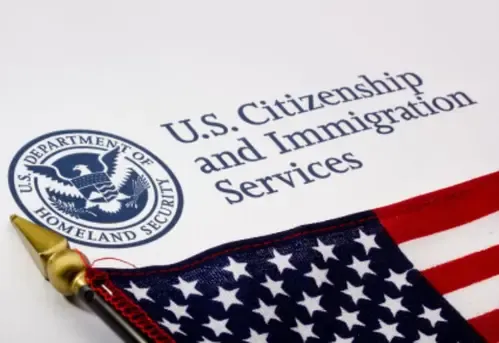
The lawsuit specifically targets a regulation enacted by the Department of Homeland Security, which drastically raises the costs for employers aiming to hire highly skilled foreign personnel through the H-1B visa program, often utilized by hospitals, universities, and public schools.
California's Attorney General Rob Bonta, who is spearheading the case, contends that the administration has no authority to impose such a fee.
“As the fourth largest economy globally, California understands that the integration of skilled talent from around the globe propels our state forward,” Bonta stated.
“President Trump’s illegal $100,000 H-1B visa fee imposes unnecessary — and unlawful — financial strains on California’s public employers and other essential service providers, worsening labor shortages in crucial sectors,” he added.
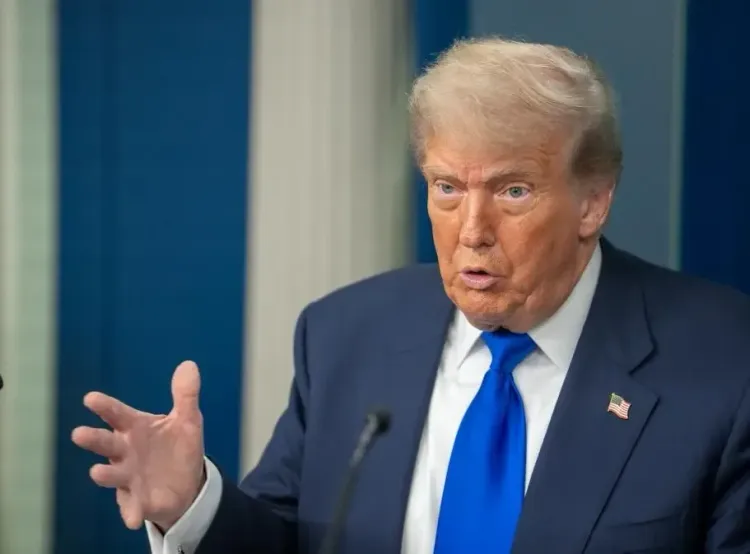
The fee was mandated through a proclamation issued by President Trump on September 19, 2025. The DHS enforced this new policy on H-1B applications submitted after September 21, granting the Secretary of Homeland Security the authority to decide which applications incur the fee or qualify for exemptions.
The states claim this policy violates the Administrative Procedure Act and the US Constitution by circumventing necessary rule-making and overstepping congressional authority. Historically, fees associated with the H-1B program have been limited to covering the costs of managing the system.
Currently, employers submitting initial H-1B petitions pay between $960 and $7,595 in total regulatory and statutory fees.
Federal regulations require employers to assure that the recruitment of H-1B workers does not adversely impact the wages or working conditions of American employees. Congress has capped most private-sector H-1B visas at 65,000 annually, with an additional 20,000 reserved for candidates with advanced degrees.
Typically, government and nonprofit employers, such as schools, universities, and hospitals, are exempt from this cap.
The attorneys general warn that the new fee could exacerbate staffing shortages, especially in education and healthcare.
During the 2024–2025 academic year, 74% of US school districts reported challenges in filling vacant positions, particularly in areas like special education, physical sciences, ESL or bilingual education, and foreign languages. Educators constitute the third-largest occupational group among H-1B visa recipients.
The healthcare sector is also heavily dependent on this program. In fiscal year 2024, nearly 17,000 H-1B visas were granted for medicine and health occupations, with approximately half allocated to physicians and surgeons. The United States anticipates a shortage of 86,000 physicians by 2036.
The lawsuit was filed by Bonta and Massachusetts Attorney General Andrea Joy Campbell, along with attorneys general from states including Arizona, Colorado, Connecticut, Delaware, Hawaii, Illinois, Maryland, Michigan, Minnesota, Nevada, North Carolina, New Jersey, New York, Oregon, Rhode Island, Vermont, Washington, and Wisconsin.
The H-1B program serves as a vital channel for skilled foreign professionals, notably a significant number of Indian experts in technology, healthcare, and academic research.
Point of View
This lawsuit underscores the tension between immigration policy and public service needs. The states involved are asserting their right to challenge federal actions that they believe undermine essential workforce sectors. This case will likely draw attention to the balance between regulation and the necessity for skilled labor in critical fields.
NationPress
21 Sept 2026
Frequently Asked Questions
What is the lawsuit about?
The lawsuit challenges the Trump Administration's decision to impose a $100,000 fee on new H-1B visa petitions, claiming it is unlawful and threatens public services.
Which states are involved in the lawsuit?
Twenty states, including California and Massachusetts, are participating in the lawsuit.
What are the implications of the new fee?
The new fee could worsen staffing shortages in sectors that rely heavily on H-1B workers, such as education and healthcare.
How has the H-1B visa program historically functioned?
Historically, fees associated with the H-1B program have been limited to the costs of administering the system.
What is the expected outcome of the lawsuit?
The outcome could potentially reshape immigration policy and impact the availability of skilled workers in the U.S.