H-1B visa overhaul: Trump administration begins White House review of sweeping reforms
Synopsis
The Trump administration has quietly launched a White House review of the most sweeping H-1B overhaul in years — details still sealed, but classified as a $100M-plus economic impact rule. Layered on top: a proposed $103,265 fee per petition and a possible end to the 60-day job-loss grace period. For Indian professionals, the cumulative exposure is significant.
Key Takeaways
The Trump administration has sent a proposed H-1B visa overhaul to the White House Office of Information and Regulatory Affairs for review, as of 25 August 2025 .
The proposal is classified as economically significant , with a projected annual impact of at least $100 million ; its specific provisions have not been made public.
A separate USCIS proposal would add a $103,265 fee per cap-subject H-1B petition; public comments close on 24 September 2025 .
Another proposal under review would eliminate the 60-day grace period for H-1B holders who lose their jobs.
The H-1B programme is capped at 65,000 visas annually, plus 20,000 for advanced-degree holders from US universities.
No changes to existing H-1B rules are in effect at this stage; employers and visa holders need not take immediate action.
The Trump administration has initiated a White House review of a sweeping proposal to overhaul the H-1B visa programme, a move that could significantly reshape the primary employment route used by tens of thousands of Indian professionals working in the United States. The Department of Homeland Security (DHS) submitted the proposed regulation — formally titled Reforming the H-1B Nonimmigrant Visa Classification Program — to the White House Office of Information and Regulatory Affairs (OIRA) on Monday, 25 August 2025.
What the Proposal Covers
The proposal has been classified as economically significant, meaning regulators believe it could carry an annual economic impact of at least $100 million or materially affect jobs, productivity, competition, or a major economic sector. However, its detailed provisions remain confidential at this stage. The federal regulatory docket — filed under US Citizenship and Immigration Services (USCIS) — does not disclose whether the administration intends to revise eligibility standards, employer obligations, wage requirements, the annual lottery selection process, or compliance rules.
How the Review Process Works
OIRA, a unit of the White House Office of Management and Budget, examines significant federal regulations before they are published. It can approve a proposal outright, return it to the originating agency, or clear it with modifications. No legal deadline has been set for completing the current review. Once cleared, the rule's contents would be published in the Federal Register, triggering a public-comment period during which DHS would be required to consider submissions before deciding whether to issue a final regulation.
Importantly, the proposal does not alter existing H-1B rules at this stage. Employers and current visa holders are not required to take any action simply because the regulation has entered White House review.
Separate Fee Proposal and Other Changes
This broader overhaul is distinct from a separate USCIS proposal published on Tuesday, 26 August 2025, which would impose an additional fee of $103,265 on every cap-subject H-1B petition. That fee would apply to petitions filed under the regular annual cap as well as the separate exemption for foreign professionals holding advanced degrees from US universities. Cap-exempt petitions filed by certain universities, governmental research organisations, and non-profit research organisations would not be subject to the charge. Public comments on the fee proposal are being accepted until 24 September 2025, after which DHS must decide whether to revise, withdraw, or finalise it.
Simultaneously, the administration is reviewing proposed fee changes for Optional Practical Training (OPT), which permits foreign students to work temporarily in fields related to their degrees. A further USCIS proposal under review would eliminate the discretionary 60-day grace period that currently allows H-1B and certain other foreign workers to remain in the US after a job loss while they seek new employment or adjust their immigration status.
Background: The H-1B Programme
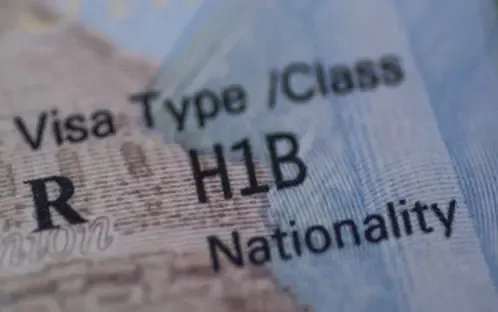
The H-1B programme enables American employers to hire foreign professionals for speciality occupations requiring specialised knowledge and typically at least a bachelor's degree or its equivalent. Technology, engineering, finance, healthcare, and research are among the sectors that rely most heavily on the programme. Congress caps new cap-subject H-1B visas at 65,000 annually, with an additional 20,000 reserved for individuals holding advanced degrees from American universities. Indian nationals have historically accounted for the largest share of H-1B approvals, making any structural changes to the programme particularly consequential for India's technology and professional workforce.
What Comes Next
The cumulative weight of the overhaul proposal, the $103,265 fee rule, the OPT fee review, and the potential elimination of the 60-day grace period signals a broad tightening of the US high-skilled immigration framework. Industry groups and immigration lawyers are closely watching OIRA's timeline, as any final rules could reshape hiring pipelines for major Indian IT firms and multinational employers. The administration has not indicated a target date for completing the White House review of the main overhaul proposal.
Point of View
A $103,265 per-petition fee, OPT fee revisions, and elimination of the 60-day grace period. Each individually would be significant; together, they represent a systematic effort to raise the cost and reduce the flexibility of high-skilled immigration. For Indian IT firms and their US clients, the compounding effect on hiring economics could be severe. What is notable is the sequencing: by keeping the overhaul's contents confidential during OIRA review, the administration avoids early lobbying pressure while locking in the regulatory pipeline. The real battle begins at the Federal Register comment stage — and industry will have limited runway to respond.
NationPress
10 Oct 2026
Frequently Asked Questions
What is the H-1B visa overhaul proposed by the Trump administration?
It is a proposed regulation formally titled 'Reforming the H-1B Nonimmigrant Visa Classification Program,' submitted by the Department of Homeland Security to the White House Office of Information and Regulatory Affairs on 25 August 2025. Its specific provisions — including any changes to eligibility, wages, or the annual lottery — have not been made public pending completion of the White House review.
How does the White House OIRA review process work for the H-1B proposal?
OIRA, a unit of the White House Office of Management and Budget, examines significant federal regulations before publication. It can approve, return, or modify the proposal. Once cleared, the rule is published in the Federal Register, opening a mandatory public-comment period before any final regulation is issued.
What is the proposed $103,265 H-1B fee and who does it affect?
A separate USCIS proposal would impose an additional $103,265 charge on every cap-subject H-1B petition, covering both the regular 65,000-visa cap and the 20,000-visa advanced-degree exemption. Cap-exempt petitions from universities, government research bodies, and non-profit research organisations would not be subject to the fee. Public comments close on 24 September 2025.
What is the 60-day grace period and why does its removal matter?
The 60-day grace period is a discretionary provision that currently allows H-1B holders — and certain other foreign workers — to remain in the United States after losing their jobs while they search for new employment or change immigration status. A USCIS proposal under review would eliminate this provision, leaving affected workers with little buffer time after a job loss.
Do current H-1B holders or employers need to act now?
No. The overhaul proposal does not alter existing H-1B rules at this stage. Employers and visa holders are not required to take any action simply because the regulation has entered White House review. Changes would only take effect after the full regulatory process — including public comment and a final rule — is completed.