CM Vishnu Deo Sai meets Ramnami Mahasabha delegation
Synopsis
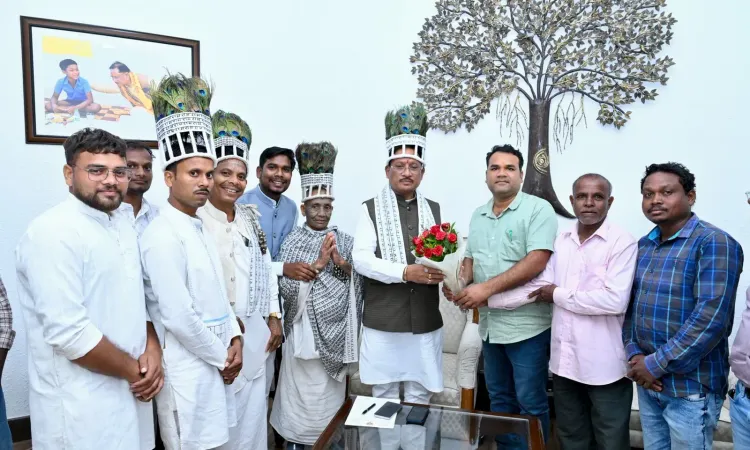
Chhattisgarh Chief Minister Vishnu Deo Sai met the Akhil Bharatiya Ramnami Mahasabha on 10 October 2026, pledging state commitment to protect and promote the community's rare Bhakti tradition — a living symbol of equality, devotion, and social harmony rooted in Chhattisgarh's plains.
Key Takeaways
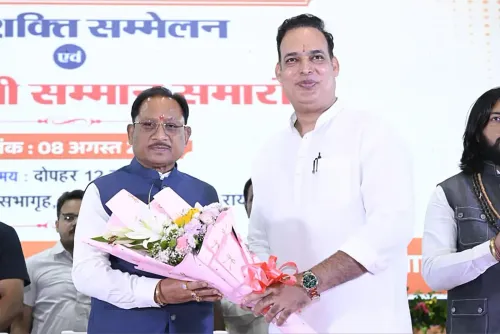
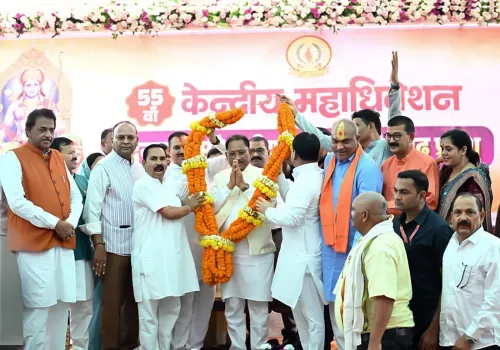
CM Vishnu Deo Sai held a meeting with the Akhil Bharatiya Ramnami Mahasabha delegation on 10 October 2026 in Raipur.
The Ramnami Samaj is a centuries-old Bhakti movement from Chhattisgarh known for inscribing 'Ram' across their bodies as an act of living devotion.
The community draws membership predominantly from Scheduled Caste communities across rural Chhattisgarh.
CM Sai described the tradition as Chhattisgarh's 'spiritual consciousness' and pledged state commitment to its preservation and promotion for future generations.
The movement historically rejects caste hierarchy and promotes equality, harmony, and humanity through devotion.
A community that tattoos 'Ram' across every inch of their body — including their face and tongue — to proclaim devotion in the most literal sense: Chhattisgarh Chief Minister Vishnu Deo Sai met a delegation from the Akhil Bharatiya Ramnami Mahasabha on Saturday, 10 October 2026, holding a warm exchange on the community's centuries-old spiritual traditions and cultural heritage.
A faith woven into skin and song
The Ramnami Samaj is one of Chhattisgarh's most distinctive communities — a grassroots Bhakti movement born among the lower castes of the Chhattisgarh plains, traditionally centred on the total embodiment of Ram's name in daily life. CM Sai described the community as 'Chhattisgarh ki aadhyatmik chetna' — Chhattisgarh's spiritual consciousness — noting how the Ramnami Samaj has, across generations, carried a message of 'equality, harmony and humanity alongside devotion.'
The tradition is genuinely unusual in Indian religious history: members inscribe 'Ram' in Devanagari script across their bodies as a lifelong act of faith, hold open congregations called Bhandara, and reject caste hierarchies within their practice. That a movement rooted in social protest has survived and flourished for well over a century makes it a living piece of India's syncretic cultural record.
CM Sai's commitment to preserving the tradition
At the meeting, the Chief Minister underlined that the state remains 'always committed' to the protection, promotion, and transmission of this heritage to future generations. The language was explicit: this is not passive admiration but an active pledge of institutional support for a community whose oral and ritual traditions face the familiar pressures of modernisation and demographic change.
For the BJP government in Raipur, the engagement also carries a clear political logic — the Ramnami Samaj draws its membership predominantly from Scheduled Caste communities across rural Chhattisgarh, and its annual gatherings draw tens of thousands. Recognising its 'invaluable cultural heritage' sends a signal about inclusion at a moment when the state government is keen to consolidate its social coalition.
Why this living tradition matters beyond Chhattisgarh
The Ramnami movement is among the rare examples of a subaltern Bhakti tradition that institutionalised itself without aligning to any temple authority or priestly class. Scholars of Indian religion have long flagged it as a case study in how devotion can become an instrument of social dignity. That recognition now coming from the office of the Chief Minister lends the tradition a visibility it rarely receives at the executive level.
Whether the pledge translates into concrete cultural-funding or heritage-documentation programmes will be the measure of the meeting's real weight. But the symbolism — a sitting Chief Minister sitting down with the Mahasabha and speaking the community's own language of legacy — is not nothing.
Point of View
Funding, or legal protection measures will determine whether this meeting is a one-off photo opportunity or the opening of a sustained state-backed cultural programme. At the very least, it signals that Raipur is actively mapping the cultural geography of its constituents ahead of future electoral cycles.
NationPress
10 Oct 2026
Frequently Asked Questions
Who are the Ramnami Samaj?
The Ramnami Samaj is a Bhakti community from Chhattisgarh, predominantly from Scheduled Caste backgrounds, known for tattooing the name 'Ram' across their entire body as an act of lifelong devotion. The movement promotes equality, social harmony, and rejects caste discrimination.
What is the Akhil Bharatiya Ramnami Mahasabha?
The Akhil Bharatiya Ramnami Mahasabha is the apex representative body of the Ramnami Samaj community, which organises their congregations and advocates for the community's cultural and social interests at the national level.
Why did CM Vishnu Deo Sai meet the Ramnami Mahasabha?
CM Vishnu Deo Sai met the delegation on 10 October 2026 to discuss the community's glorious traditions and cultural heritage, and to reaffirm the Chhattisgarh government's commitment to preserving and promoting this tradition for future generations.
What makes the Ramnami tradition unique in India?
The Ramnami tradition is unique because its members tattoo 'Ram' in Devanagari script across their entire body — including the face — as a permanent expression of devotion. The community also holds open, caste-neutral congregations called Bhandara, making it a rare grassroots spiritual and social-reform movement.
Is the Chhattisgarh government giving any funds to the Ramnami Samaj?
CM Sai pledged that the state is 'always committed' to the protection and promotion of the Ramnami heritage. As of October 2026, no specific funding scheme has been publicly announced following this meeting.