CM Sai Hails Ramgarh Mahotsav as Tribute to Chhattisgarh Heritage
Synopsis
Chhattisgarh Chief Minister Vishnu Deo Sai celebrated the two-day Ramgarh Mahotsav-2026 in Sarguja district, honouring the site's Ramayana and Kalidasa heritage. He reaffirmed his government's commitment to conserving historical landmarks and developing cultural tourism across the state.
Key Takeaways
Chief Minister Vishnu Deo Sai marked the conclusion of the two-day Ramgarh Mahotsav-2026 in Sarguja district on 1 July 2026 .
Ramgarh is associated with both the Ramayana tradition of Lord Shri Ram and the literary legacy of classical Sanskrit poet Mahakavi Kalidasa .
The Chhattisgarh government has been developing the Ram Van Gaman Path religious tourism circuit since the mid-2010s.
CM Sai reaffirmed state commitment to conservation, promotion, and tourism development of historical heritage sites.
Sarguja district , with significant tribal populations, stands to gain economically from increased heritage tourism activity.
The festival reflects a broader BJP-state pattern of linking cultural events to regional branding and economic diversification.
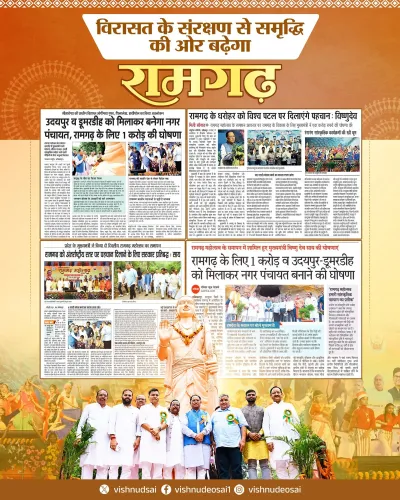
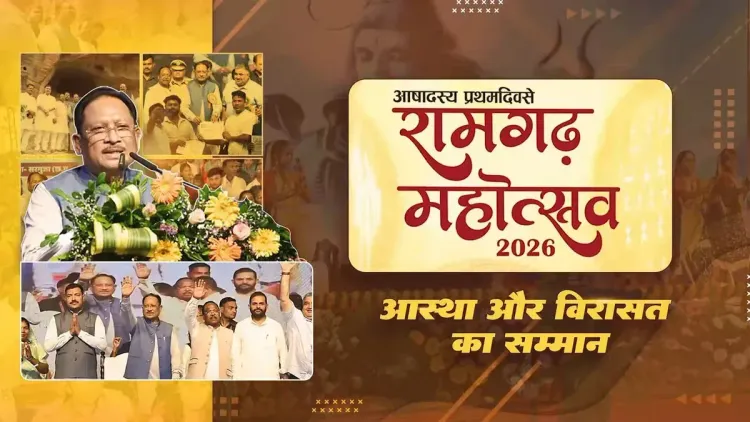
Chhattisgarh Chief Minister Vishnu Deo Sai on Wednesday, 1 July 2026 celebrated the conclusion of the two-day Ramgarh Mahotsav-2026 in Ramgarh, Sarguja district, calling it a grand festival of faith and heritage and reaffirming his government's commitment to preserving the state's historical legacy.
Context
Posting on X, Chief Minister Sai described the festival as a 'bhavya utsav' (grand celebration) that has emerged as a living symbol of Chhattisgarh's rich cultural heritage and glorious history. He noted that the sacred land of Ramgarh bears witness to the holy memories of Lord Shri Ram and the literary devotion of Mahakavi Kalidasa, the celebrated classical Sanskrit poet whose legacy is closely associated with the region's cultural identity.
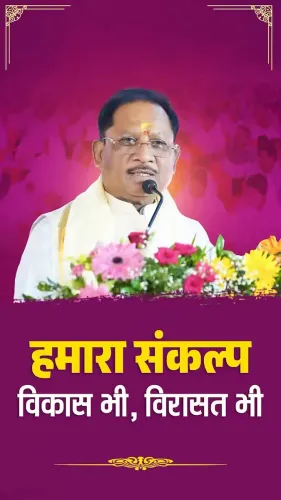
In his post, the Chief Minister stated: 'Our government is continuously committed to the conservation, promotion, and tourism development of the state's historical heritage.' The two-day festival, positioned as a platform for honouring local faith and literature, drew attention to Sarguja as a destination with deep roots in both the Ramayana tradition and classical Indian literature.
Policy Backdrop
The Ramgarh Mahotsav fits within a broader state policy of leveraging cultural and religious sites for heritage tourism. Chhattisgarh has been developing the Ram Van Gaman Path project since the mid-2010s, a religious tourism circuit tracing routes associated with the Ramayana epic across the state.
This approach reflects a wider pattern among BJP-governed states of linking heritage events to conservation goals and the visitor economy, particularly in tribal-dominated regions such as Sarguja where alternative economic drivers remain limited. The state tourism department has been a key stakeholder in positioning such festivals as anchors for annual visitor footfall.
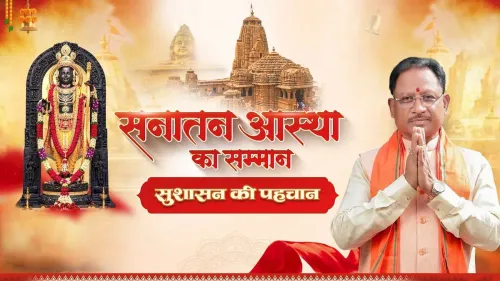
Chief Minister Sai, who assumed office in December 2023 following the BJP's assembly election victory in Chhattisgarh, has consistently foregrounded cultural identity as a pillar of his administration's governance narrative.
Stakeholders and Impact
Residents of Sarguja district, which hosts significant tribal populations, stand to benefit directly from increased heritage tourism activity generated by events such as Ramgarh Mahotsav. Local artisans, hospitality providers, and cultural practitioners gain visibility and economic opportunity when such festivals attract visitors from across the state and beyond.
Heritage conservationists and scholars of classical literature also have a stake in the festival's emphasis on Kalidasa's literary legacy, which lends academic and cultural weight to the site's identity beyond its religious associations. The dual framing — Ramayana memory and classical Sanskrit scholarship — broadens the festival's appeal to diverse audiences.
What's Next
The Chief Minister's reaffirmation of commitment to heritage conservation and tourism development signals that Ramgarh and similar sites in Chhattisgarh may see increased budgetary or policy attention in upcoming state tourism announcements. Observers will watch for possible integration of the Ramgarh site into expanded state tourism circuits or central government heritage schemes in future policy cycles.
As cultural festivals increasingly serve as anchors for regional branding and economic diversification, the Ramgarh Mahotsav's growing profile could position Sarguja as a key node in Chhattisgarh's broader heritage tourism map.
Point of View
Particularly in states with significant tribal constituencies where such narratives serve both symbolic and economic purposes. By invoking both the Ramayana tradition and Kalidasa's classical legacy, the state government signals an intent to broaden the festival's appeal beyond a single religious demographic. The emphasis on 'continuous commitment' to heritage conservation also functions as a forward-looking policy signal, potentially previewing budgetary or infrastructural announcements tied to Sarguja's tourism development. Chhattisgarh's approach mirrors similar heritage-tourism pushes in other BJP-ruled states, suggesting a coordinated cultural economy strategy rather than an isolated state initiative.
NationPress
30 Sept 2026
Frequently Asked Questions
What is Ramgarh Mahotsav 2026?
Ramgarh Mahotsav-2026 is a two-day cultural festival held in Ramgarh, Sarguja district of Chhattisgarh, celebrating the region's heritage linked to Ramayana traditions and the literary legacy of classical Sanskrit poet Kalidasa.
Where is Ramgarh located in Chhattisgarh?
Ramgarh is a town in Sarguja district in northern Chhattisgarh. The site holds historical associations with the Ramayana epic and is also connected to the literary tradition of Mahakavi Kalidasa.
What is the Ram Van Gaman Path project?
The Ram Van Gaman Path is a religious tourism circuit developed by the Chhattisgarh government since the mid-2010s to identify and promote sites across the state associated with Lord Ram's journey as described in the Ramayana.
Who is Vishnu Deo Sai and why is he talking about Ramgarh Mahotsav?
Vishnu Deo Sai is the Chief Minister of Chhattisgarh and a BJP leader who assumed office in December 2023. He praised Ramgarh Mahotsav-2026 as part of his government's commitment to heritage conservation and cultural tourism development in the state.
What is Chhattisgarh doing to promote heritage tourism?
Chhattisgarh is developing the Ram Van Gaman Path religious tourism circuit, organising cultural festivals such as Ramgarh Mahotsav, and committing state resources to the conservation and promotion of historical sites, particularly in tribal-dominated regions like Sarguja.