CM Sai Invites World to Chhattisgarh on Tourism Day
Synopsis
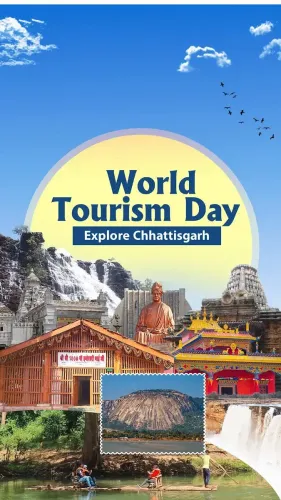
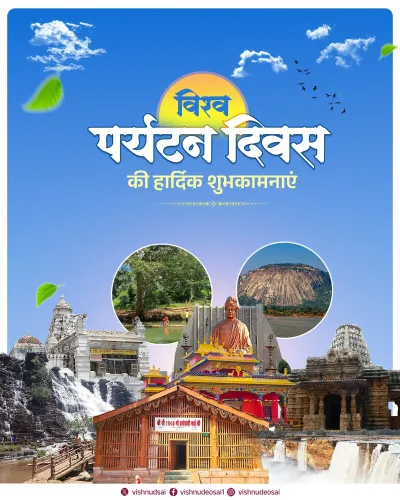
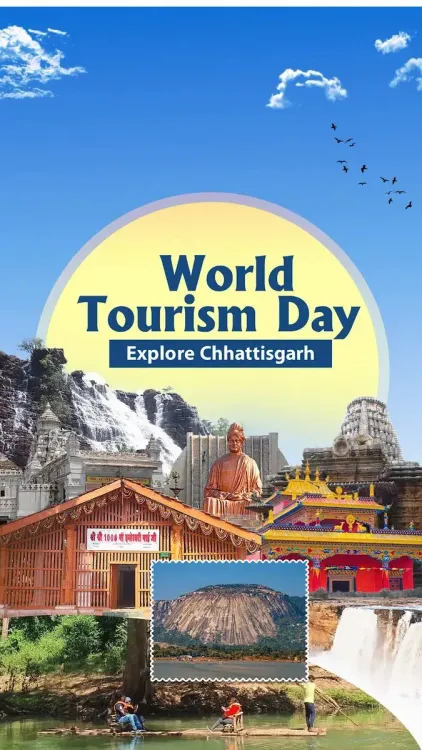
On World Tourism Day 2026, Chhattisgarh Chief Minister Vishnu Deo Sai invited travellers to discover the state's forests, tribal traditions, and heritage, invoking the spirit of 'Atithi Devo Bhava' as a promise of warm hospitality.
Key Takeaways
CM Vishnu Deo Sai posted a World Tourism Day message on 27 September 2026 inviting tourists to experience Chhattisgarh.
The message highlighted tribal traditions, landscapes, and heritage as the state's core tourism assets.
He invoked Atithi Devo Bhava — 'the guest is God' — as the spirit of Chhattisgarh's hospitality .
World Tourism Day is observed annually on 27 September , established by the UN World Tourism Organization.
India's Incredible India campaign , launched in 2002 , provides the national framework within which state promotions like this are positioned.
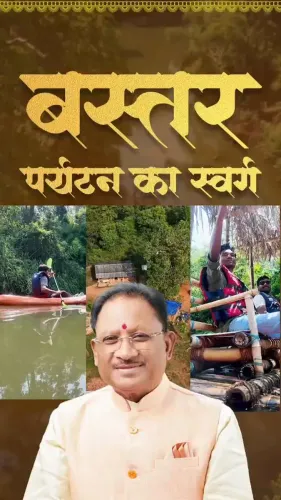
The Bastar region is among Chhattisgarh's richest tourism draws, known for waterfalls, forests, and intact tribal cultures.
Some journeys leave footprints; others leave marks on the soul. On World Tourism Day, 27 September 2026, Chhattisgarh Chief Minister Vishnu Deo Sai extended a warm, open invitation to travellers everywhere — to come, discover, and be changed by a state that most of India has barely scratched the surface of.
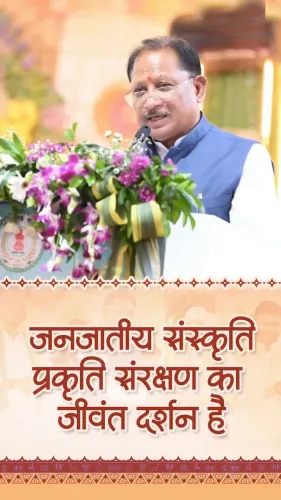
In a message posted on X, CM Sai framed Chhattisgarh as a land of perpetual discovery — 'breathtaking landscapes, vibrant tribal traditions, timeless heritage and the heartfelt warmth of its people.' He invoked the ancient Sanskrit ethos of Atithi Devo Bhava — 'the guest is God' — as a living promise, not just a campaign slogan.
What Chhattisgarh actually offers the curious traveller
Chhattisgarh is one of central India's most ecologically and culturally layered states. The Bastar region alone is home to dense sal forests, spectacular waterfalls including Chitrakote — often called the 'Niagara of India' — and some of the subcontinent's most intact tribal traditions, practiced by communities like the Gond, Maria, and Muria. Ancient temples, rock art sites, and wildlife corridors round out a tourism canvas that rivals far better-known Indian destinations.
The state government's push here is not happening in isolation. India's Incredible India campaign, launched in 2002 by the central government, built the national framework for marketing regional diversity internationally. CM Sai's message plugs Chhattisgarh squarely into that tradition — but targets the vast, still-untapped domestic traveller as much as the foreign visitor.
World Tourism Day and the case for India's unexplored states
World Tourism Day is observed every year on 27 September, established by the UN World Tourism Organization to spotlight tourism's power as a driver of development, employment, and cultural exchange. For a state like Chhattisgarh — one where tribal communities form a significant portion of the population — well-managed tourism carries genuine economic stakes: livelihoods, infrastructure, and cultural preservation, all at once.
Indian states have increasingly used this annual moment not just to wave a flag, but to position themselves against saturated tourist circuits. The argument is simple and compelling: if Goa is crowded, if Rajasthan is familiar, there is an entirely different India waiting in the forests and river valleys of central and northeastern India. Chhattisgarh is making the loudest case for itself today.
Whether this World Tourism Day message is the opening note of a larger state tourism push — fresh infrastructure, new heritage circuits, targeted budget allocations — will be the real story to watch in the months ahead.
Point of View
Centrally backed hospitality brand without needing to spend on original messaging. The deeper question is whether the promotional rhetoric will be matched by concrete investment in tribal-community tourism infrastructure, which remains the sector's most underdeveloped and highest-potential lever in central India. If budget allocations and circuit development follow, this is a signal; if they do not, it is a seasonal moment.
NationPress
27 Sept 2026
Frequently Asked Questions
When is World Tourism Day celebrated and why?
World Tourism Day is celebrated on 27 September every year. It was established by the UN World Tourism Organization to raise awareness of tourism's role in social, cultural, and economic development worldwide.
What does Atithi Devo Bhava mean?
Atithi Devo Bhava is a Sanskrit phrase meaning 'the guest is God.' It serves as the central motto of India's national tourism hospitality campaigns , emphasising respectful and warm treatment of all visitors.
What are the top tourist attractions in Chhattisgarh?
Chhattisgarh is known for the Bastar region's tribal culture and dense forests, the Chitrakote waterfall , ancient temples, wildlife sanctuaries, and vibrant traditional festivals of communities like the Gond and Muria .
Who is Vishnu Deo Sai?
Vishnu Deo Sai is the Chief Minister of Chhattisgarh and a senior BJP leader. He has been an advocate for the development of the state's tribal communities and natural resource sectors.
What is India's Incredible India campaign?
The Incredible India campaign was launched by the Government of India in 2002 to market the country's diverse tourism destinations to both domestic and international travellers, building a unified national tourism brand.