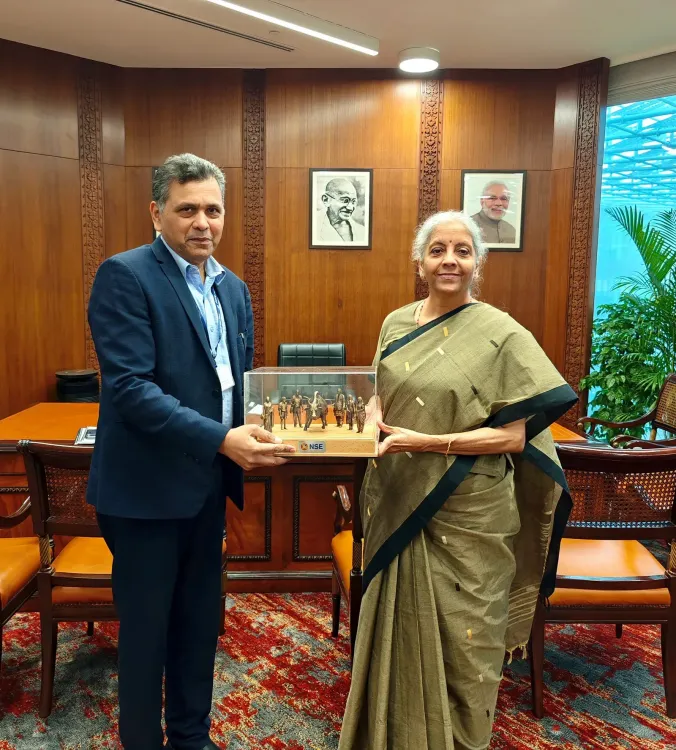
NSE Chief Injeti Srinivas Calls on FM Nirmala Sitharaman
Synopsis
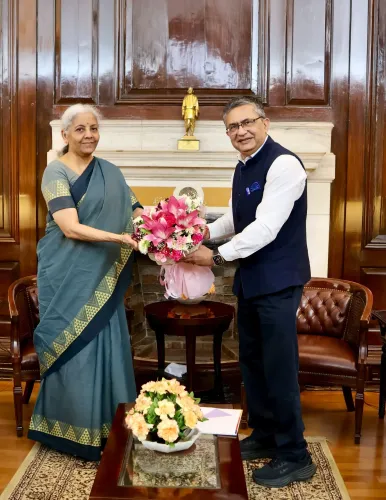
NSE India Chairperson Injeti Srinivas paid a courtesy call on Union Finance Minister Nirmala Sitharaman on 8 July 2026. The meeting reflects the Finance Ministry's routine engagement with market infrastructure heads, though no agenda or outcome was publicly disclosed.
Key Takeaways
Injeti Srinivas , Chairperson of NSE India , called on Union Finance Minister Nirmala Sitharaman on 8 July 2026 .
NSE India is the country's largest stock exchange by market capitalisation and derivatives volume, established in 1992 .
Injeti Srinivas is a senior IAS officer and former Secretary of Corporate Affairs, appointed NSE Chairperson in 2025 .
No specific agenda or outcome of the meeting was disclosed in the public post.
Such meetings are part of routine Finance Ministry coordination with major market infrastructure institutions.
Follow-up signals from the Finance Ministry or SEBI will be watched for any emerging regulatory direction.
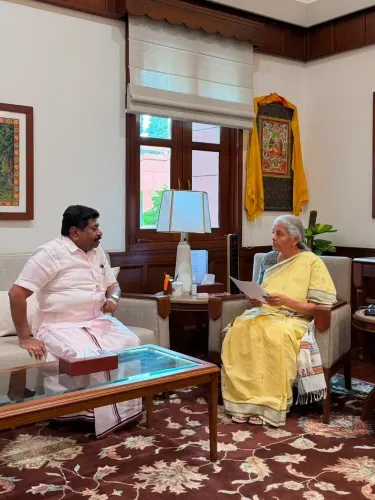
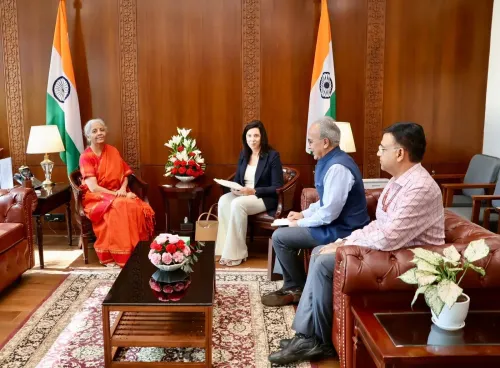
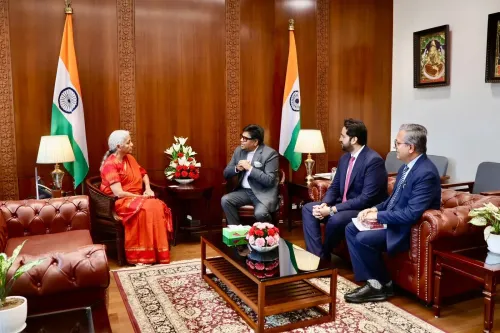
Union Finance Minister Nirmala Sitharaman received Injeti Srinivas, Chairperson of the National Stock Exchange of India (NSE), at a courtesy call on Wednesday, 8 July 2026. The meeting forms part of the Finance Ministry's periodic engagement with heads of major market infrastructure institutions.
Context
The post, shared from the Finance Minister's official X account, states: 'Shri Injeti Srinivas, Chairperson — NSE India, calls on Smt Nirmala Sitharaman.' No specific agenda or outcome was disclosed publicly. Such courtesy calls between the Finance Minister and market regulators or exchange heads are a standard feature of capital-market governance in India.
Injeti Srinivas is a senior Indian Administrative Service (IAS) officer and former Secretary of the Ministry of Corporate Affairs. He was appointed Chairperson of NSE India in 2025, bringing with him experience in regulatory reform and corporate governance oversight.
Policy Backdrop
The National Stock Exchange of India was established in 1992 as part of the landmark post-liberalisation reforms that transformed Indian securities trading. It introduced screen-based, electronic trading to replace the opaque, broker-dominated open-outcry system, and today stands as India's largest exchange by market capitalisation and derivatives volume.
The Finance Ministry, which holds overarching responsibility for capital-market policy, routinely consults exchange heads and market infrastructure institutions on issues ranging from investor protection to product innovation and systemic risk. These interactions have been a consistent feature of economic governance since the 1991 reforms.
Stakeholders and Impact
The NSE sits at the centre of India's equity and derivatives ecosystem, directly affecting millions of retail investors, institutional participants, and market intermediaries. Any regulatory or policy direction that emerges from such high-level consultations can influence trading norms, listing standards, or capital-raising frameworks.
With India's equity markets having expanded significantly in depth and retail participation over the past decade, coordination between the Finance Ministry and exchange leadership carries heightened significance for both domestic and foreign portfolio investors.
What's Next
Observers will watch for any follow-up statements from the Finance Ministry or the Securities and Exchange Board of India (SEBI) on regulatory proposals that may have been discussed. The meeting comes ahead of the next cycle of quarterly market review meetings and within a broader calendar that includes periodic Union Budget consultations. No decisions from this meeting have been made public as of the time of reporting.
Point of View
A former Corporate Affairs Secretary, brings a regulatory reform lens to the NSE's leadership, making his engagement with the Finance Ministry particularly relevant at a time when capital-market deepening and investor protection are stated policy priorities. While the meeting carries no announced outcome, such interactions often precede formal policy consultations ahead of budget cycles or SEBI board meetings. The optics also signal continuity in the government's commitment to maintaining open lines with exchange leadership.
NationPress
7 Oct 2026
Frequently Asked Questions
Why did NSE Chairperson Injeti Srinivas meet Finance Minister Nirmala Sitharaman?
Injeti Srinivas, Chairperson of NSE India, paid a courtesy call on Finance Minister Nirmala Sitharaman on 8 July 2026. Such meetings are part of routine engagement between the Finance Ministry and heads of major market infrastructure institutions; no specific agenda was publicly disclosed.
Who is Injeti Srinivas and what is his role at NSE?
Injeti Srinivas is a senior IAS officer and former Secretary of the Ministry of Corporate Affairs. He was appointed Chairperson of the National Stock Exchange of India (NSE) in 2025, bringing experience in regulatory reform and corporate governance.
What is NSE India and why does it matter?
The National Stock Exchange of India (NSE) was established in 1992 as part of post-liberalisation reforms. It is today India's largest stock exchange by market capitalisation and derivatives volume, serving millions of retail and institutional investors.
What decisions were taken in the NSE chief's meeting with the Finance Minister?
No decisions or outcomes from the 8 July 2026 meeting were made public. The Finance Ministry's post noted only that the courtesy call took place.
How often does the Finance Minister meet stock exchange heads?
Periodic meetings between the Finance Minister and heads of market infrastructure institutions such as NSE are a routine feature of capital-market governance in India, continuing a practice that has been in place since the 1991 economic reforms.